How does London market culture relate to the Cotswolds?
"The London Natural History Society suggests that London is 'one of the World's Greenest Cities' with more than 40% green space or open water."
Exploring the 2026 London market culture involves understanding how urban green spaces and regional connections like the Cotswolds shape local lifestyle and commerce. Travelers can experience this by visiting metropolitan centers or venturing toward the rural farmlands that surround the city.
This guide covers the relationship between London's natural landscape and the regional charm of the Cotswolds, noting that specific local market trends are not established within the provided data.
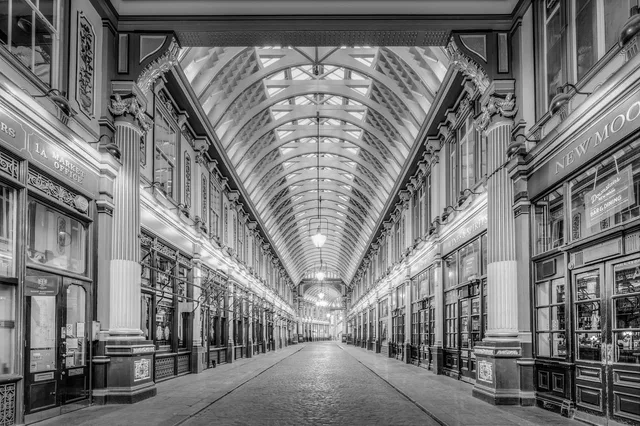
* London's significant green space and biodiversity. * The vast farmland areas within the Cotswolds. * The proximity of London districts to central hubs. * The popularity of association football in London.
How does London market culture relate to the Cotswolds?
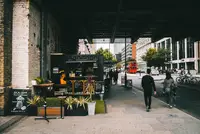
At noon, I reach for a rustic crate in the crowded city square and wonder how the rural charm does reach such urban streets.
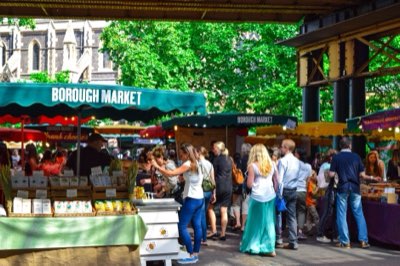
Walking through a bustling street market, one feels the pull between urban density and the desire for rural goods. The 2026 London market trends often reflect a demand for items that bridge the gap between the city's greenery and the countryside.
London's vast landscape includes more than 40% green space or open water. This environmental factor influences how residents interact with local vendors and seasonal products.
The London Natural History Society suggests that London is "one of the World's Greenest Cities" with 2000 species of flowering plant and 120 species of fish. Such a rich natural backdrop provides a unique context for the London local food scene.
The connection is strengthened by the proximity of the Cotswolds. While London offers metropolitan variety, the Cotswolds provides a massive expanse of nearly 800 square miles. This area is characterized by its landscape, where roughly 80 per cent is farmland.
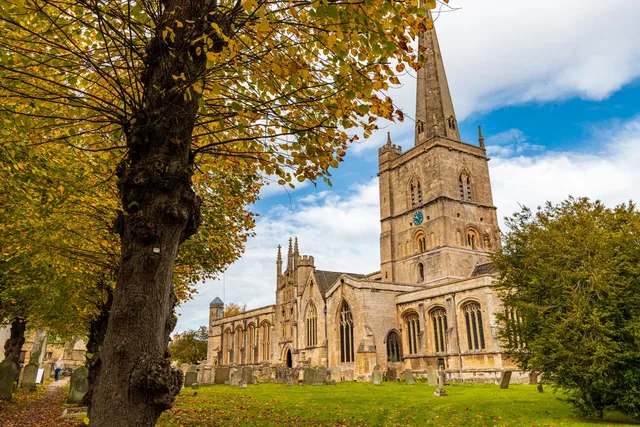
This rural output often finds its way into the urban markets of the capital.
What defines London's local food scene? 2026 London market trends
Picking up a fresh crate of produce at a neighborhood stall, the scent of earth and seasonal growth fills the air. The London local food scene is deeply tied to the availability of regional ingredients.
The scale of the surrounding countryside allows for a constant flow of goods. For example, the Cotswolds' nearly 800 square miles provide a significant source of agricultural products. Understanding Cotswolds and London markets requires recognizing this flow from farm to city.
This relationship helps define the London market food culture that residents enjoy daily.
Many people enjoy a Cotswolds to London markets excursion to see where their food originates. The vastness of the farmland ensures a diverse selection for urban consumers. This movement of goods is a cornerstone of the regional economy.
What will London's market trends look like in 2026?
Navigating a crowded square in the afternoon, one observes the shift toward specialized and community-focused commerce. The 2026 London market trends are shaped by both local necessity and the city's unique geography.
While specific market growth figures for 2026 are not provided, the urban structure supports diverse commerce. For instance, Sutton has over 6,800 businesses, which represents an increase of about 19% since 1994. This business density supports a wide variety of market-style interactions.
The London market culture 2026 continues to evolve alongside these growing commercial hubs.
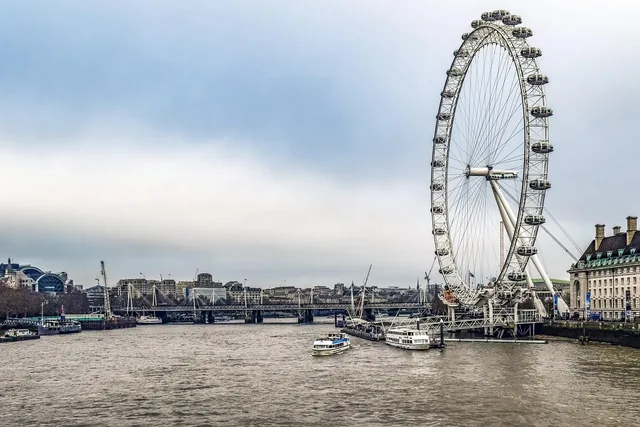
The integration of green spaces into the city also plays a role. Because the city maintains such high levels of open water and greenery, outdoor markets thrive in these natural settings.
How can I travel between these regions?
Boarding a train and watching the cityscape melt into rolling hills, the transition from urban to rural becomes clear. Traveling between the city and the countryside is a common routine for many.
To navigate this transition, follow these steps:
- Identify your starting metropolitan center, such as Charing Cross. 2. Select a destination, whether it is a local borough like Sutton or the distant Cotswolds. 3. Check the distance to ensure your travel time fits your schedule.
I found that checking the distance from Charing Cross helped me plan my route more effectively. For example, Sutton is approximately 10 miles south-southwest of Charing Cross. This proximity makes it an easy starting point for exploring the southern reaches of London.
What is the scale of the Cotswolds?
Driving through wide-open fields under a bright sun, the sheer size of the countryside becomes apparent. The Cotswolds offers a massive contrast to the compact metropolitan centers of London.
The area is vast, encompassing nearly 800 square miles. Unlike the dense urban clusters, this region is dominated by agricultural use, with roughly 80 per cent being farmland.
Some historical perspectives suggest the name may be derived from "Cod's-wold," meaning "Cod's high open land." This sense of scale is a major draw for those looking to escape the city.
Is London a green city?
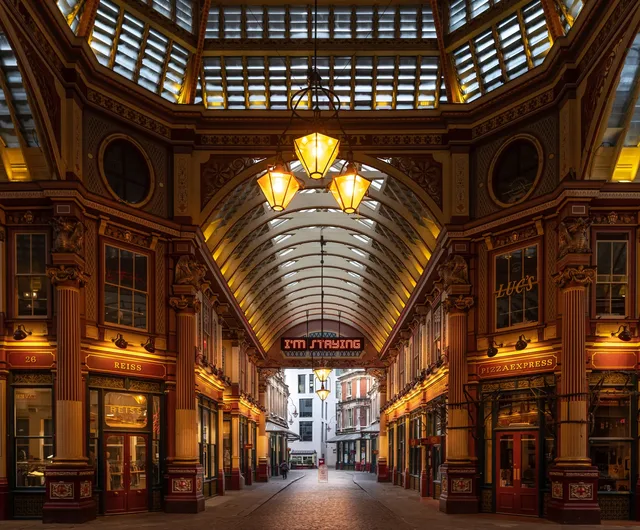
Strolling through a park where water reflects the sky, the urban environment feels surprisingly natural. The city's layout prioritizes access to nature, which is a defining characteristic of its culture.
According to the London Natural History Society, London is "one of the World's Greenest Cities" due to its high percentage of green space. This greenery is not just aesthetic; it supports a massive variety of life, including 2000 species of flowering plants.
This natural abundance is a key part of the city's identity.
- How does London market culture relate to the Cotswolds?
- What defines the London local food scene?
- What are the 2026 London market trends?
The same subject is also called London market travel guide.
Related





Comments 0