800-Year Food Link: Discovering London's True Culinary Roots
"To eat like a Londoner is to understand that the city's flavor isn't found in a souvenir shop, but in the steam rising from a pub's pie and the morning bustle of a neighborhood market."
If you want to truly know London, you have to step away from the neon signs of Leicester Square and follow your nose toward the local stalls and quiet corner pubs.
Moving from a tourist to a local traveler means trading a scripted itinerary for the sensory reality of a city that has been feeding itself for nearly 2,000 years.
Key Takeaways * Prioritize local markets like Borough or Maltby Street to experience the city's living culinary history. * Distinguish between gastropubs and local watering holes to find the right atmosphere for your mood.
* Understand the historical connection between the River Thames and the city's food supply to appreciate local ingredients.
Why Skip the Tourist Traps? Finding the Real Pulse of London Dining
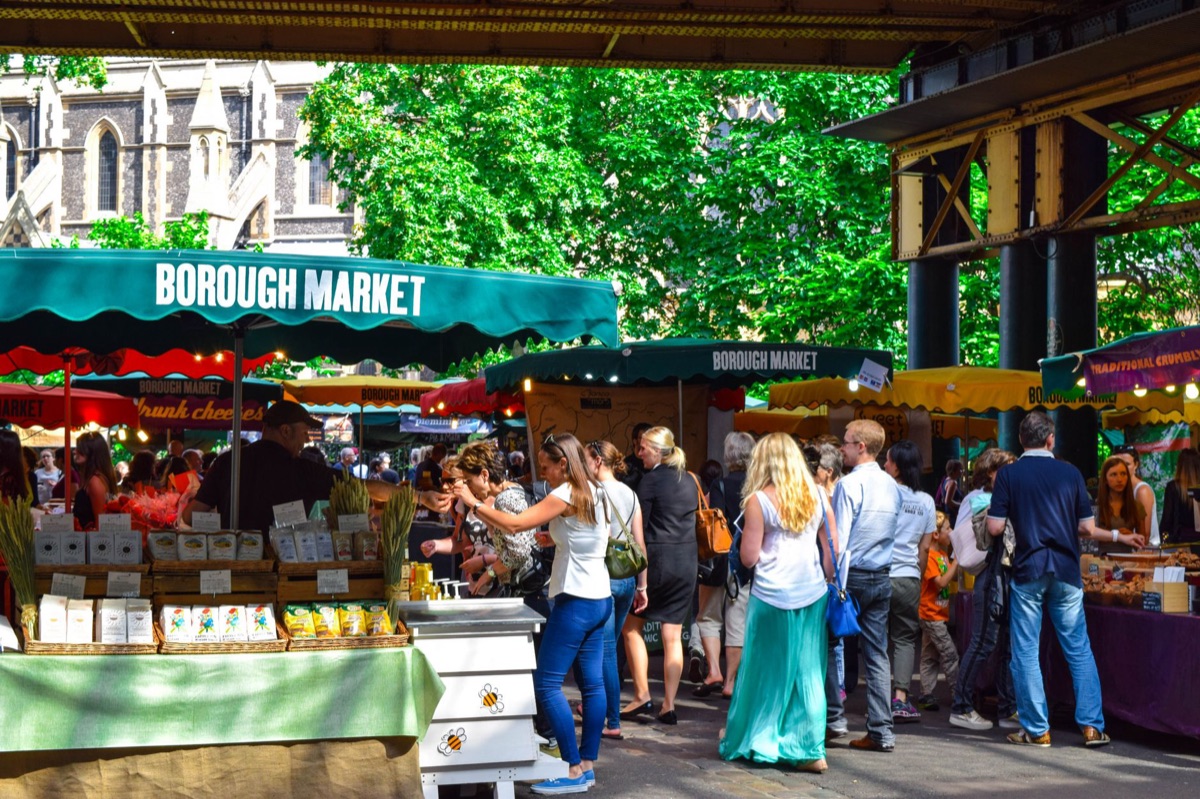
The sun hits the cobblestones of a narrow alleyway in Southwark, and the smell of freshly baked sourdough and smoked meats begins to drift through the air.
You stand at a crossroads: do you walk toward the brightly lit restaurant with the large English-flag menu, or do you follow the crowd of locals toward a nondescript wooden door?
The difference between dining "for tourists" and dining "for locals" is the difference between a performance and a ritual. Tourist-centric spots often rely on flashy presentations and high prices, offering a sanitized version of British culture that lacks soul.
In contrast, local dining is rooted in the community—it is about seasonal availability, regional pride, and the deep-seated traditions of the British Isles.
The UK has a profound connection to its land, with a historical agricultural land share of 70.3% recorded in 2023, which informs the quality of the produce arriving in London every morning.
This connection to the earth is why local markets are so vital; they are the direct link between the countryside and the urban plate.
When you eat at a market or a neighborhood pub, you are participating in a cycle of food that has sustained this settlement since it stood at the head of the tidal estuary of the Thames.
Choosing the local route allows you to experience the true cultural significance of British dining, such as the nuanced differences in pub culture or the specific regional specialties that a chain restaurant could never replicate.
But knowing why you should skip the traps is only half the battle; you still have to find where the real food is hiding.
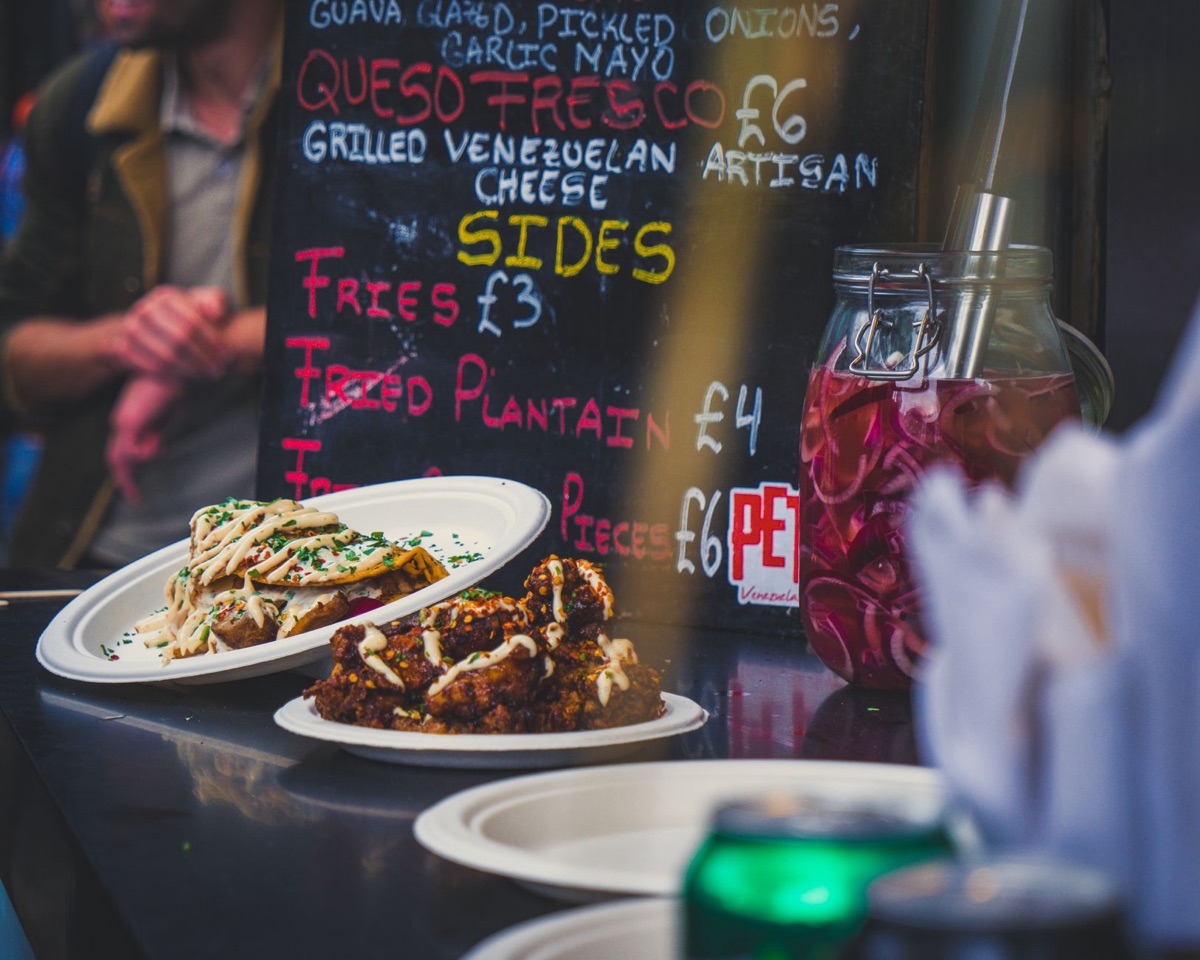
Where does London truly feast? Rain begins to tap against the glass roof of a Victorian-era market hall, and the sound of vendors calling out their daily specials creates a rhythmic hum.
The London Natural History Society suggests that London is "one of the World's Greenest Cities" with more than 40% green space or open water, 2000 species of flowering plant, and 120 species of fish.
You find yourself standing before a stall piled high with heirloom tomatoes and artisanal cheeses, realizing that this is where the city's real energy resides.
The London Natural History Society suggests that London is one of the world's greenest cities, featuring more than 40% green space or open water. This openness allows for a constant flow of fresh goods from surrounding areas into the city's heart.
To experience London's culinary heart, you must visit its markets. While Borough Market is the most famous, it can be overwhelming. For a more local feel, consider wandering through Maltby Street Market on a weekend morning or exploring the vibrant stalls of Camden Market.
When navigating these spaces, follow this checklist to ensure you are eating well:
- Identify Produce Stalls: This is where you see the seasonal best. If you see wild garlic in the spring or heavy squashes in the autumn, you are seeing the true flavor of the current month.
- Scan for Ready-to-Eat Vendors: Look for stalls with short queues of locals rather than large tour groups. These often serve the best street food, from gourmet sausage rolls to artisanal bao buns.
- Seek Niche Finds: Keep an eye out for specialized vendors—the ones selling only single-origin coffee or specific regional cheeses.
A great way to taste the locality is to ask the vendor, "What is the specialty of this stall?" or "What is in season today?" Often, the best way to eat is to grab a high-quality takeaway item and find a nearby park or a quiet corner to enjoy it.
Finding the perfect snack is easy, but what happens when you transition from a street stall to a seated table?
How do I master traditional British dining? The heavy wooden door of a pub creaks open, releasing a warmth that smells of malt, woodsmoke, and seasoned gravy. You step inside, leaving the damp London air behind, and realize that this small room is the social glue of the entire neighborhood.
Mastering the transition from market-hopping to seated dining requires understanding two distinct British traditions: the Pub and Tea.
The Pub Pilgrimage Not all pubs are equal. You will encounter "gastropubs," which focus on high-end, chef-driven cuisine, and "local watering holes," which are more casual and focused on community and ale.
If you want a hearty, traditional meal like a shepherd's pie or a Sunday roast, a gastropub is often your best bet. If you want to sit with a pint of local ale and soak in the atmosphere, head to a local pub.
Always check the ale selection; a good local pub takes great pride in its cask-conditioned bitters and seasonal brews.
The Ritual of Tea There is often confusion between "Afternoon Tea" and "High Tea." While often used interchangeably by tourists, they have different origins. Afternoon Tea is the elegant, tiered-stand affair involving finger sandwiches and scones, perfect for a refined midday treat.
High Tea was historically a more substantial evening meal for the working class. When looking for an authentic experience, look for tea rooms that emphasize local tea blends and handmade biscuits rather than those that look like museum exhibits.
| Feature | Gastropub | Local Watering Hole |
|---|---|---|
| Primary Focus | Elevated culinary dishes | Socializing and traditional ales |
| Atmosphere | Polished, often quieter | Casual, lively, community-centric |
| Best For | A proper sit-down dinner | A quick pint or casual snack |
| Ordering Tip | Look for seasonal tasting menus | Ask for the "house ale" |
Understanding these social nuances is vital, but you must also understand the very ground you are walking on.
A Taste of History: Dining Through London's Eras
The river mist rolls in from the Thames, blurring the lines between the modern skyline and the ancient stone embankments. You sit by a window overlooking the water, reflecting on how the very geography of this place has dictated what has been on the plates of its inhabitants for millennia.
London's culinary identity is inseparable from its geography. Situated on the River Thames, the city has functioned as a major settlement for nearly 2,000 years.
This location at the head of a 50-mile tidal estuary meant that for much of history, the city's food supply was dictated by what could be brought in via the water.
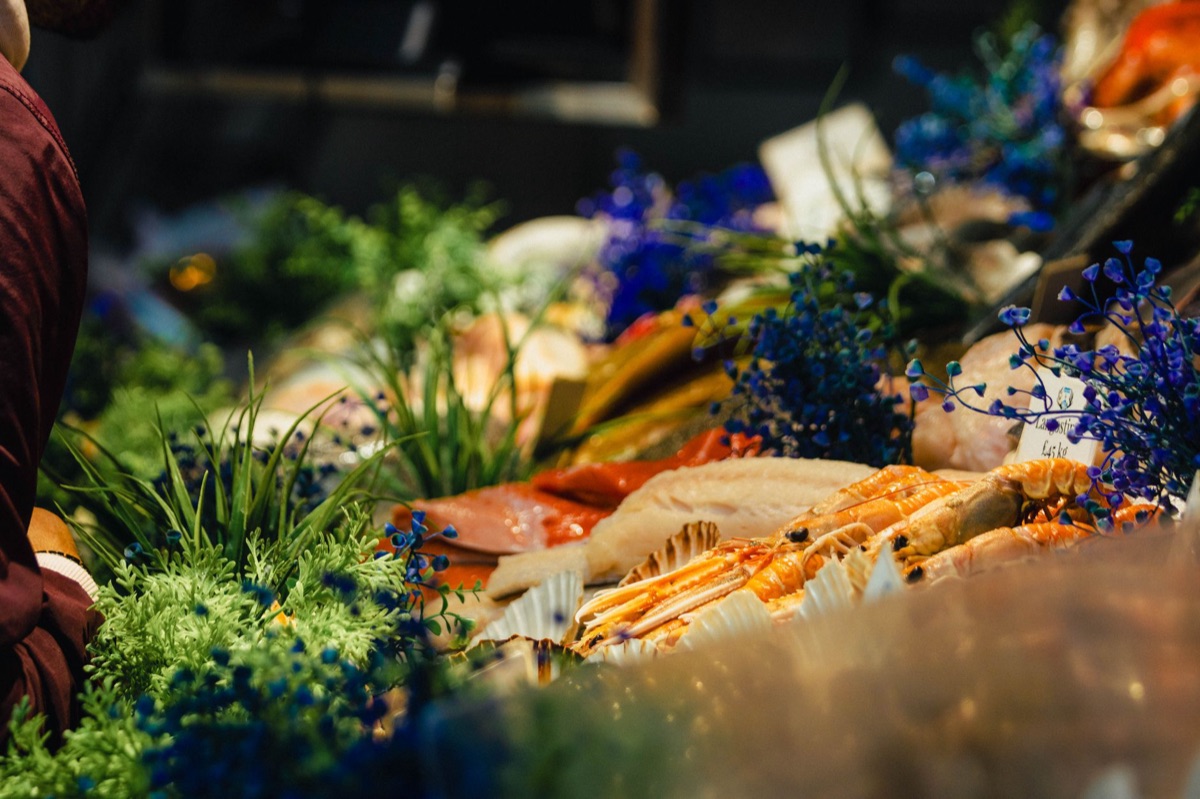
The evolution of London's diet reflects its history as a global crossroads. From the seafood that once dominated the Thames-based trade to the diverse spices brought by merchants, the city's palate is a layered map of its past.
When you eat traditional British fare today, you are eating a version of food that has been refined through centuries of trade, conquest, and local adaptation.
Understanding that London is a city built on water helps you appreciate why fish, salt, and preserved goods have such a deep-rooted place in the local culinary heritage. But how do you navigate the practicalities of eating in such a complex city?
Practical Immersion: Dining Like a Local (Survival Guide)
You sit at a small, wobbly table in a crowded bistro, checking your phone to be sure of the etiquette. The waiter approaches with a polite nod, and you realize that navigating these social cues is the final step in truly feeling at home in the city.
According to World Bank data, the United Kingdom recorded agricultural land share of 70.3% in 2023.
To dine like a local, you need a practical understanding of etiquette and logistics.
Tipping Culture In London, tipping is common but not as aggressive as in the United States. In many restaurants, a "service charge" (usually around 12.5% to 13%) is automatically added to the bill. If this is already included, you do not need to leave an additional tip.
If it is not included, leaving a small amount of change or rounding up the bill is a polite way to show appreciation. In casual pubs, tipping is generally not expected.
Booking vs. Walking In For popular gastropubs or well-known tea rooms, booking in advance is essential, especially for weekend dinners. However, for local pubs and many market stalls, walking in is the norm.
A good rule of thumb: if the place has a menu on a chalkboard outside, you can likely walk in; if it has a sleek, minimalist entrance, you probably need a reservation.
The "Local" Test * Punctuality: If you have a reservation, arrive on time. * Ordering: It is polite to wait for everyone in your party to be seated or served before you begin eating.
* The Vibe Check: If you see a group of locals chatting animatedly over a pint, you have likely found a winner. If the room is filled entirely with people looking at maps and guidebooks, you are in a tourist zone.
When I first traveled to London in 2024, I spent far too much time in brightly lit cafes. It wasn't until I sat in a dim, wood-paneled pub in Islington that I truly felt the city's warmth.
#







Comments 0