80-Minute Journey: Navigating the West End's Vast Offerings
"The theater is not just a place to see a show; it is a place to live a different life for two hours."
If you are standing in a crowded ticket booth in Piccadilly Circus, staring at a wall of colorful posters and feeling a sudden wave of indecision, you are not alone.
The West End is a sensory overload of talent, lighting, and storytelling, and choosing the "wrong" show can feel like a wasted evening in a city where time is precious.
* Identify your priority: Decide if you want a visual spectacle, a deep emotional journey, or a lighthearted escape. * Master the timing: Understand the difference between booking months in advance versus chasing "Rush" tickets. * Match the group: Align the show's maturity and energy level with your travel companions.

Why Does the West End Offer So Much?
The rain drums against the glass of a cafe in Covent Garden as you scroll through a list of hundreds of plays, wondering if you should spend £80 or wait for a bargain. The sheer volume of productions running simultaneously in London can make anyone feel paralyzed by choice.
According to the World Bank, the United Kingdom recorded international tourist arrivals of 11,101,000 in 2020.
The West End operates on a vast spectrum of styles. On one end, you have the "Blockbuster Spectacle"—massive productions designed to wow audiences with rotating sets, flying actors, and live orchestras that shake the floorboards.
On the other end, you have "Intimate Drama" or "Playhouses," where the focus is on sharp dialogue, subtle acting, and a quiet, tension-filled atmosphere.
Most musical productions follow a standard rhythm: roughly two to two and a half hours of performance, usually including a 15-to-20-minute interval. This interval is a vital part of the London theater culture, providing a moment to stretch, grab a drink, or discuss the first act.
Because the variety is so immense, you aren't just choosing a show; you are choosing the specific "temperature" of your evening.
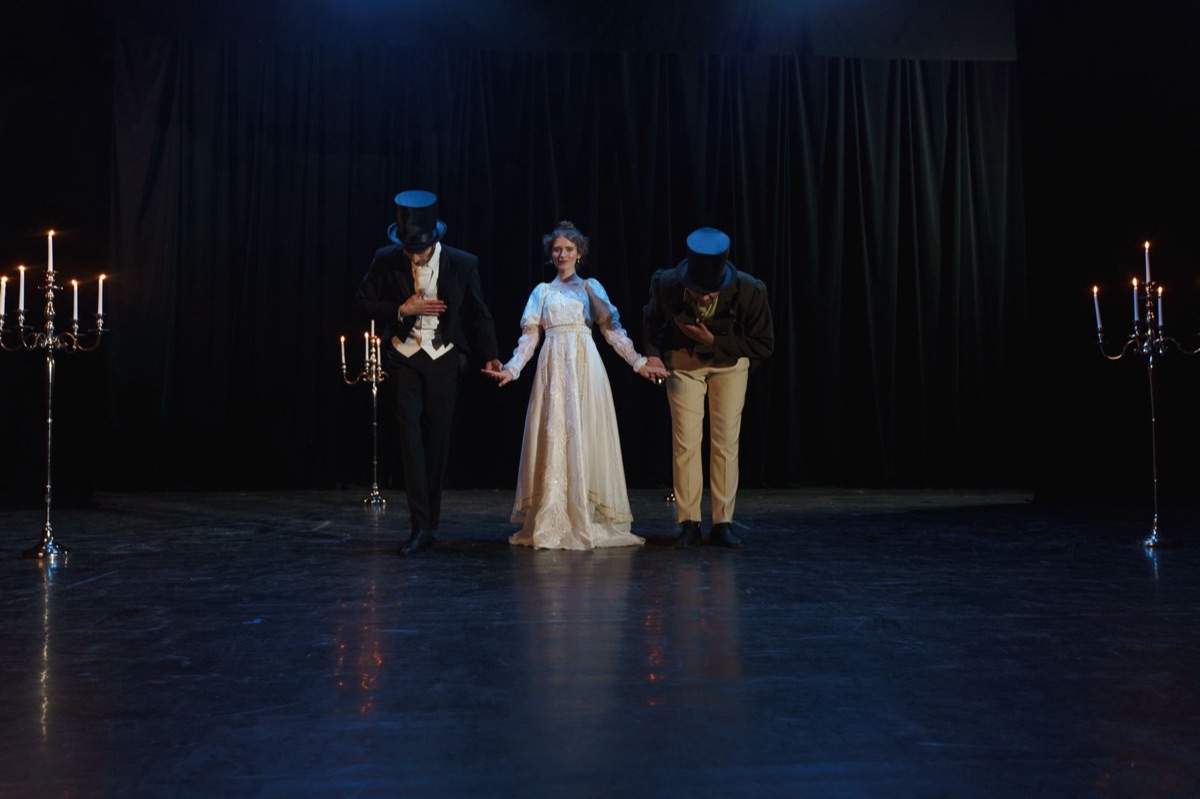
What is my perfect genre? A group of four friends sits in a dim pub near Shaftesbury Avenue, debating whether to see a high-energy dance musical or a classic tragedy. One wants to be dazzled; another wants to cry; a third just wants to laugh.
If You Seek Spectacle (The "Wow" Factor) If your goal is to walk out of the theater feeling like you just stepped out of a dream, you are looking for a spectacle. These shows rely on massive set pieces, intricate choreography, and often, cutting-edge stage technology. They are designed to be immersive, often using the entire height of the theater to create a sense of awe.
These productions are perfect for travelers who want a "bucket list" moment. They are often loud, bright, and high-energy, making them great for those who want to be completely distracted from the outside world.
For an epic, larger-than-life experience that feels like a cinematic event, look for the big-budget, long-running spectacles that define the London skyline.
If You Seek Heart/Emotion (The "Must-See" Classic) Sometimes, you don't want to be dazzled; you want to be moved. For those who view theater as a profound emotional experience, the classic musical or the heavy-hitting drama is the way to go. These shows focus on character arcs, sweeping melodies, and stories that linger in your mind long after the curtain falls.
This genre is ideal for solo travelers or those traveling with partners who appreciate storytelling depth. While the initial entry might require more emotional investment than a comedy, the payoff is often a sense of catharsis.
If you want a show that feels like a masterpiece of human connection, look toward the critically acclaimed, narrative-driven classics.
If You Seek Laughter (The "Easy Night Out") You arrive at the theater after a long day of walking through the British Museum, your feet aching and your social battery running low. You don't want a heavy plot; you just want to laugh. This is the realm of musical comedy and lighthearted escapism.
These shows usually feature witty dialogue, upbeat numbers, and often a bit of slapstick or clever satire. They are the perfect "low-stakes" option for mixed groups—families with teenagers, or groups of friends who want to transition easily from a loud dinner to a fun evening.
For a guaranteed mood boost that doesn't require intense concentration, a comedy-leaning musical is your best bet.
| Feature | Spectacle | Heart/Emotion | Laughter |
|---|---|---|---|
| Primary Goal | Visual Awe | Emotional Depth | Pure Entertainment |
| Energy Level | High / Intense | Variable / Poignant | Upbeat / Light |
| Best For | First-timers | Theater Lovers | Groups & Families |
| Memory Type | "I can't believe that happened!" | "That was so moving." | "We had such a great time." |
How do I book like a pro? The sun sets early over the Thames, and you realize you have two choices: book your tickets right now to secure a seat, or wait until tomorrow morning to try and snag a cheaper deal. This is the fundamental tension of West End theater-going.
Day Seats vs. Advance Tickets The difference between these two comes down to your tolerance for risk. Advance booking is the safe route. You select your specific seats, you know exactly what you will pay, and you guarantee your place in the audience. This is essential for popular shows where certain seating blocks sell out months in advance.
"Day Seats" or "Rush Tickets" are the high-stakes alternative. These are heavily discounted tickets released on the morning of the performance.
The reward is a massive saving—sometimes up to 50% or more—but the risk is that you might end up in a restricted view seat or, worse, find that the tickets are already gone by the time you arrive at the box office.
How to Chase a Rush Ticket If you are feeling adventurous and want to try for a deal, follow this specific process:
- Identify the "Rush" Policy: Check the specific theater's website or the show's official page. Some shows use digital apps (like the TodayTix app), while others require you to physically stand in line at the box office when it opens.
- Set an Alarm: If it is a digital rush, tickets often go live at a specific time (commonly 10:00 AM or noon). Be ready to refresh the page.
- Check the Seating: If you are buying a "Day Seat" in person, always ask the staff if there are any obstructions. A cheap seat is only a deal if you can actually see the stage.
- Have Your ID Ready: Some digital rush tickets are tied to specific user accounts or require age verification.
- Be Flexible: Rush tickets are often for "single" seats. If you are traveling in a group of four, you may need to split up to secure these deals.
But even with a ticket in hand, there is a hidden complexity to the evening itself.

The Timing of the Night: Arrival and Intervals
You stand in a queue outside a theater in Soho, checking your watch. It is 6:45 PM, and the show starts at 7:30 PM. The transition from the busy London street to the hush of the theater is a ritual in itself.
When to Arrive For most evening performances, arriving 30 to 45 minutes before the "curtain up" is the gold standard. This gives you enough time to find your seat, use the restroom, and perhaps grab a quick drink or a snack. If you are attending a matinee (afternoon show), the same rule applies, though crowds can be slightly more relaxed.
The Interval Etiquette The interval is a transition period. In many larger theaters, the bar will open, and there will be a rush for refreshments. If you want a drink during the break, it is often wise to head to the bar immediately when the lights dim for the interval.
One thing to remember: theater staff are there to help. If you are lost or can't find your seat number, don't hesitate to ask the ushers. They are experts at navigating the often-winding corridors of historic London buildings.
A Note on Budget and Expectations
A traveler sits at a small table in a Soho bistro, looking at a receipt and wondering if the theater ticket was worth the extra cost. They realize that the price of a ticket is not just for a seat, but for the production value of the entire evening.
It is important to acknowledge that theater is an expensive pursuit. Prices can range from £20 for a last-minute seat to over £200 for premium stalls. While you can certainly find deals through various methods, you should view theater as a significant part of your travel budget.
There are also trade-offs. A very cheap seat might be in the "Restricted View" category—meaning a pillar or a balcony edge might block your view of the stage. Always check the seating map carefully.
If you are looking for a premium experience, it is often better to book a slightly more expensive seat in advance than to gamble on a cheap seat that leaves you frustrated during the performance.





Comments 0