How to find London food: Explore 33 local administrations
Finding the perfect meal in a massive metropolis can feel overwhelming for travelers. To find London food that tastes authentic, you should look beyond the central tourist hubs and explore the diverse local boroughs.
* Avoid crowded tourist traps in the city center. * Explore different boroughs to find local variety. * Use the city's green spaces and unique geography to navigate.
How to find London food like a local?
At dusk, I wander through a quiet residential street to find the hidden scent of spices drifting from a local kitchen.

A traveler stands at a busy intersection in central London, clutching a map while the scent of various cuisines wafts through the air. To find London food that resonates with the local spirit, one must move toward the residential neighborhoods and community hubs.
The city is vast, covering an area of 611 square miles in Greater London, which offers a massive variety of dining options across different districts.
Instead of staying in one spot, travelers can find authentic flavors by moving into the 33 local administrations that make up the city's administrative structure.
Exploring these diverse areas allows you to experience how different communities shape the culinary landscape. This movement is essential for anyone seeking a true taste of the city.
Skip the tourist traps near major landmarks and instead wander through residential side streets to discover authentic neighborhood gems.
How can I find the best food in London? While walking through a lush park at noon, I scan the horizon to find a path toward the distant market stalls.
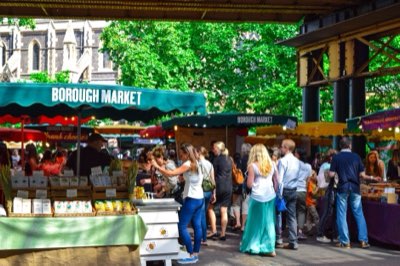
A person walks through a lush park, checking their phone for the nearest food market while enjoying the fresh air. Using the city's expansive green spaces is a great way to transition between different culinary zones.
The London Natural History Society suggests that London is "one of the World's Greenest Cities" with more than 40% green space or open water. These large green areas often surround local markets and community gatherings where food is a central part of the experience.
Navigating through these spaces provides a natural way to find hidden gems that are far from the main thoroughfares. This approach helps you avoid the generic menus often found in high-traffic areas.
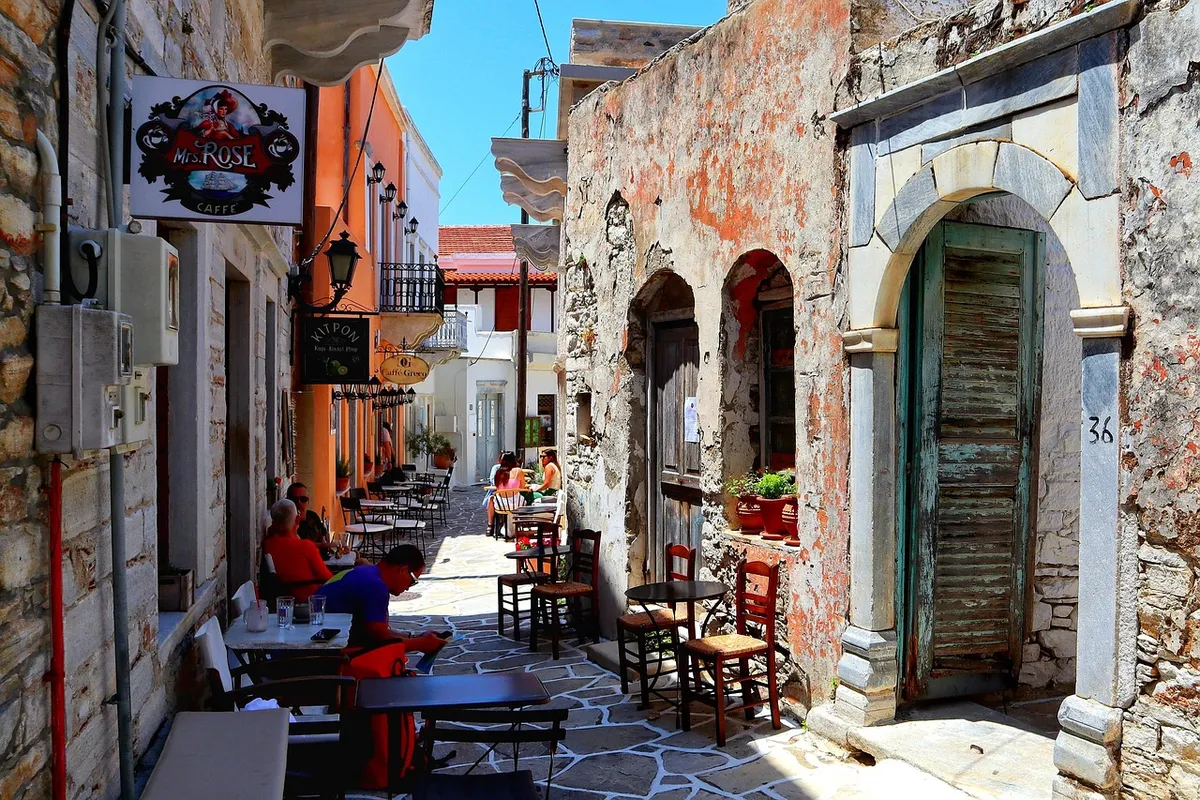
Use the Tube to hop between different culinary hubs, but be prepared to walk several blocks from the station to find the best hidden eateries.
Where can I find local eats in different boroughs? A group of friends sits at a small table in a quiet corner of a neighborhood, sharing a plate of steaming food. Every borough offers a distinct atmosphere and unique culinary identity.
The city's administration is divided into a citywide tier and a local tier with 33 local administrations. Each of these local areas can host entirely different food cultures, from traditional pubs to international street food.
By understanding that the city is composed of many distinct local tiers, you can plan trips that target specific flavors. This variety is what makes the city such a compelling destination for food lovers.
Explore diverse flavors by visiting various boroughs, as each area offers a unique culinary identity ranging from traditional markets to modern fusion.
London food guide to traveling like a resident
A traveler steps off a train in a residential district, looking around at the local shops and cafes. Moving away from the center is the key to finding more affordable and authentic dining.
In 2013, London attracted 16.8 million foreign visitors, who accounted for 51.4% of all visitors. For those looking to escape the massive crowds of the tourist-heavy zones, moving toward the outskirts is a practical strategy.

This method ensures you are not just another statistic in the visitor count but a participant in the local culture. It turns a simple meal into a meaningful cultural interaction.
To truly live like a local, embrace the rhythm of the city by visiting food markets during morning hours and trying casual pub fare for lunch.
Secret London food spots and the importance of location
A person wanders down a narrow street, following the sound of laughter from a small, tucked-away eatery. The geography of the city plays a significant role in how food is distributed and enjoyed.
London stands on the River Thames in southeast England, at the head of a 50-mile (80 km) tidal estuary down to the North Sea. The river and its surrounding areas have shaped the settlement and its culture for nearly 2,000 years.
Understanding the historical and geographical layout of the city helps in predicting where certain types of food might be more prevalent. This knowledge is a tool for any serious diner.
The best meals are often tucked away in unassuming locations, far from the bright lights of the main thoroughfares.
Eat like a Londoner with these three steps
An explorer sits at a wooden table, carefully documenting their food discoveries in a small notebook. To successfully navigate the dining scene, follow these practical steps.
- Identify a specific borough of interest to narrow your search. 2. Walk through local streets to find establishments without heavy English-only signage. 3. Observe local foot traffic to see where residents gather for meals.

I found that checking the local atmosphere before entering a venue helped me choose the best spots. This process requires patience but yields much more rewarding results.
One limitation is that finding specific hidden spots can be more difficult in areas with limited public transport access.
- Research specific neighborhoods known for their food scenes before you arrive.
- Prioritize local markets and street food stalls over formal restaurants.
- Follow the crowds of residents rather than the crowds of tourists.
Wikipedia: London Based on the retained excerpt mentioning The London Natural History Society: The London Natural History Society suggests that London is "one of the World's Greenest Cities" with more than 40% green space or open water, 2000 species of flowering plant, and 120 species of fish.
Related
- London hotel selection tips: How to book for less than 24
- Cotswolds day trip guide: Why choose your travel method
Why is location so crucial for Finding the perfect meal?
The location of an eatery dictates the authenticity of the experience, as the city's vastness allows for specialized neighborhood tastes. Moving away from the central tourist hubs, which cater to transient visitors, allows one to engage with the ingrained culinary habits of long-term residents.
This shift in geography directly correlates with the depth of local flavor encountered.
What role does the city's structure play in dining experiences?
The administrative division into 33 local administrations mirrors the cultural diversity found in the dining scene. Each of these local tiers contributes a unique flavor profile, making the city a mosaic of culinary traditions.
Recognizing this structure helps travelers intentionally seek out specific regional tastes.
Navigating the scale of London's dining scene?
Given that Greater London spans 611 square miles, the sheer scale supports an incredible array of dining possibilities. This extensive geography means that different districts develop highly localized and distinct food cultures.
The size itself guarantees that a traveler can find a different culinary chapter in every journey undertaken across the metropolis.


Comments 0