How do I find the best guide from London to the Cotswolds?
This guide is designed for travelers seeking a structured 1박 2일 (two-day) escape from the city to the rolling hills of the English countryside. You will learn how to navigate the transition from London's urban core to the limestone villages, what to prioritize during a July visit, and how to manage your transit time. Please note that specific seasonal availability for local village services is not established.
* Plan a route connecting major Cotswolds villages like Castle Combe or Bourton-on-the-Water. * Utilize train services from London Paddington to reach the gateway towns. * Prepare for July weather by checking local walking path conditions. * Coordinate overnight stays in traditional inns to maximize your two-day window.
How to plan your Cotswolds 2 day trip 2026?
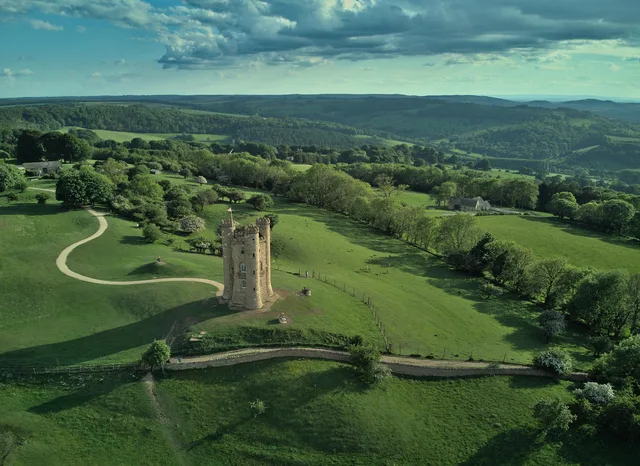
You stand on the platform at London Paddington, watching the steam and light dance as you prepare to depart for the countryside. To make the most of a Cotswolds 2 day trip 2026, you must first decide between a car rental or the rail network.
While trains reach hubs like Moreton-in-Marsh, a vehicle offers the flexibility needed to reach the smaller, hidden hamlets.
A successful itinerary requires balancing relaxation with exploration. On your first day, focus on the northern villages to see the iconic honey-colored stone architecture. On the second day, move toward the southern valleys to experience different landscapes.
This approach prevents excessive driving and ensures you spend more time walking the trails than sitting in traffic.
- Choose a central base like Chipping Campden or Bourton-on-the-Water to minimize driving time.
- Book your accommodation and car rental several months in advance to secure the best rates.
- Map out your daily driving routes to ensure you can visit multiple villages without rushing.
How do I find the best guide from London to the Cotswolds?
You sit in a quiet corner of a London cafe, spreading a map across the wooden table to trace the winding roads south of the city. A reliable London to Cotswolds guide should prioritize transport logistics and village connectivity.
Because the region lacks a centralized metro system, your primary focus should be the timing of the Great Western Railway services.
The journey from London typically takes between ninety minutes and two hours depending on your destination station. If you choose the rail option, you must align your arrival with local bus schedules or pre-booked taxi services.
Relying solely on public transport requires careful synchronization to avoid being stranded in rural areas after sunset.
Look for guides that provide specific train connections from Paddington Station and detailed driving directions for those renting a vehicle.
What is a great itinerary for the Cotswolds in July?
The July sun warms the stone walls as you walk through a garden filled with blooming lavender and wildflowers. A Cotswolds July itinerary should account for the increased foot traffic and warmer temperatures characteristic of mid-summer.

This is the peak season for seeing the landscape in its most vibrant, green state.
During this month, many local tea rooms and boutique shops operate on extended summer hours. However, the popularity of the region means that popular spots in Bourton-on-the-Water can become quite crowded by midday.
I found that arriving at the most famous landmarks early in the morning allowed for a much more peaceful experience before the midday rush.
Take advantage of the long daylight hours to enjoy garden tours and outdoor walks through the rolling hills.
Enjoying a Cotswolds weekend getaway
You settle into a heavy oak chair at a local inn, feeling the cool evening air drift through the open window. A Cotswolds weekend getaway is defined by the transition from the frantic pace of London to the slow rhythm of village life.
This period allows for a deeper immersion into the local culture and culinary offerings.
To maximize a weekend, consider staying in a village that serves as a central hub. This minimizes the need to pack and unpack your bags every morning. By choosing a central base, you can explore different directions each day while enjoying the comforts of a traditional English pub in the evening.
Relax at a local boutique inn and spend your afternoons wandering through historic market towns.
Tips for a Cotswolds weekend getaway
You adjust your walking boots on a gravel path, feeling the crunch underfoot as you prepare for a morning trek. Using specific tips for a Cotswolds weekend getaway can significantly improve your comfort. Focus on footwear, booking, and light layers to stay prepared for the changing English weather.
- Wear sturdy, waterproof walking shoes to handle uneven limestone paths and potential summer showers. 2. Book your accommodation and popular dining locations at least several weeks in advance due to the July peak season. 3. Carry a reusable water bottle and a light jacket, as temperatures can drop quickly once the sun sets behind the hills.
Perform a final check of your train tickets and local maps before leaving your accommodation each morning.
Pack comfortable walking shoes and prepare for unpredictable weather by bringing a light waterproof jacket.
Local Cotswolds experiences
You listen to the distant chime of a church bell while sipping tea in a courtyard shaded by ancient trees. Seeking out local Cotswolds experiences helps you move beyond the standard tourist snapshots. This involves engaging with the history and the specific crafts that define the region.
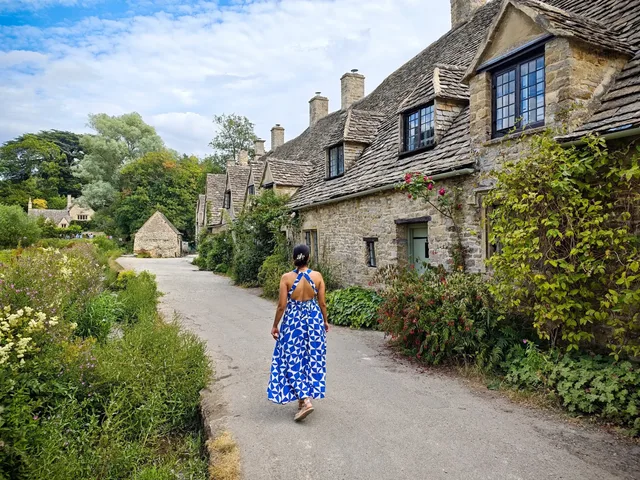
For those interested in history, visiting the local manor houses or exploring the ruins of old abbeys provides a sense of the area's deep roots. You might also look for local farmers' markets to taste seasonal produce.
These activities provide a more authentic connection to the land than simply driving through the villages.
Visit a traditional cream tea service or explore a local farm shop to taste seasonal regional produce.
Wikipedia: London Museum Based on the retained excerpt mentioning London Centre: In 2019, plans were revealed to use the site to house a London Centre For Music, a £288 million concert hall for use by the London Symphony Orchestra.
The Cotswolds offers a profound contrast to the urban density of London, providing a landscape of stone and greenery that is best experienced through slow, intentional movement and the best Cotswolds food tours. While the region is highly accessible, the specific availability of local transport in remote hamlets is not established.








Comments 0