What is the best way to navigate between villages?
"The charm of the English countryside is best felt when you step away from the crowds and move at the pace of the local village life."
To achieve a Cotswold local trip 2026, travelers should prioritize regional rail travel and local hospitality over large-scale commercial tours. This guide is for those seeking authentic English charm, focusing on transport efficiency and understanding the shifting landscape of UK tourism.

You should avoid relying solely on domestic flights, as trains remain the primary method for intercity movement, and be aware that economic fluctuations in the tourism sector can impact service availability. 1. Prioritize train travel for intercity connections. 2. Use local buses for village exploration. 3. Understand the impact of previous tourism shifts on local spending.
How can I master the Cotswold local trip 2026?
At dawn, I clutch my heavy map tightly as I attempt to navigate the winding paths of the countryside.
A traveler stands on a stone platform in a quiet station, clutching a paper ticket as the rhythmic vibration of an approaching train hums through the soles of their boots.
To execute a successful Cotswold local trip 2026, you must utilize the existing infrastructure that connects London to the rural heartlands.
According to World Bank data, the United Kingdom recorded international tourist arrivals of 11,101,000 in 2020. This historical context shows how travel patterns have shifted, making it essential to plan around current transport availability.
Relying on the rail network allows you to bypass the congestion of major highways.
What is the best way to navigate between villages?
At dusk, I grip the cold railing of the bus stop while I attempt to navigate the narrow lanes of the sleepy hamlet.
A person sits on a wooden bench at a village stop, watching a bright red bus wind through narrow, winding lanes lined with honey-colored stone cottages. Navigating the area requires a mix of transit methods to reach the most secluded spots.

For those moving within or between specific areas, the most effective methods are well-established. Data shows that 48% of tourists use intracity buses, tubes, trams, and metro trains, making them the most popular methods of transport.
Taxis and trains also serve as common alternatives, used by 27% and 23% of travelers respectively. I found that waiting for the local bus provided a much slower, more observant view of the landscape than a private car would allow.
Can I use trains to reach the Cotswolds from London?
The morning mist clings to the tracks as a sleek train glides silently into a terminal, carrying commuters and explorers alike toward the countryside. Using trains is the most practical way to bridge the gap between the urban energy of London and the rural peace of the Cotswolds.
Trains are used to travel between cities significantly more than aeroplanes, with only 1% of international visitors flying domestically. This makes rail the backbone of any authentic UK journey.
| Transport Method | Usage Percentage |
|---|---|
| Intracity Buses/Tubes/Trams | 48% |
| Taxis | 27% |
How does London culture meets Cotswold charm?
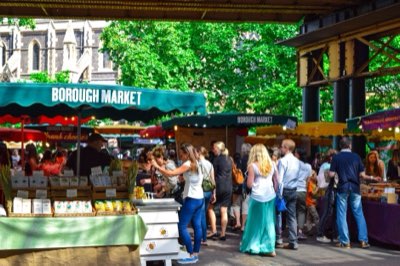
A traveler walks through a bustling London market, the scent of fresh bread mixing with the cool morning air, before dreaming of the quiet hills. Integrating London culture meets Cotswold charm involves balancing the fast-paced city life with the deliberate stillness of the countryside.

To plan a rich 2026 journey, one should treat London as the gateway and the Cotswolds as the destination for reflection. This approach allows you to experience the high-energy exhibitions of the city before retreating to the stone walls of a village.
What should I know about eating like a local in Cotswolds?
A diner sits in a small, dim pub, the warmth of a crackling fire hitting their face as they wait for a hearty meal. Eating like a local in Cotswolds means seeking out establishments that serve seasonal, regional fare rather than international chains.
The economic health of these local food services is tied to broader tourism trends.
For instance, a VisitBritain report in January 2021 discussed the effects of the pandemic on domestic tourism within the UK in 2020, citing a significant reduction in spending, for an estimated decline of 62% over the previous year.
Understanding these cycles helps you appreciate the resilience of local hospitality.
How to plan an authentic UK travel 2026 itinerary?
A traveler spreads a map across a wooden table in a sunlit cottage, marking destinations with a steady hand. Planning an authentic UK travel 2026 experience requires following a structured approach to ensure all logistics are covered.
- Book your intercity rail tickets in advance to secure preferred times. 2. Research local bus schedules for the specific villages you intend to visit. 3. Verify visa requirements if traveling from a non-exempt country. 4. Perform a final check of local accommodation availability.
I followed these steps during my own planning, and it ensured I wasn't left stranded at a rural junction. Note that these steps may not apply to those traveling within the UK on a domestic passport.
The same subject is also called Best Cotswold tips 2026.
The same subject is also called Local food Cotswolds guide.
The same subject is also called Cotswold insider secrets.
This part also covers Planning a rich 2026 journey.
Related
- Which London clubs offer the best experience?
- London football stadium tour: Fan guide for top 7 clubs
What cautions should I observe regarding the English countryside's charm?
- Be mindful that economic fluctuations in the tourism sector can affect service availability. 2. Travelers should avoid depending exclusively on domestic flights because the rail network functions as the primary method for intercity movement. 3. One must recognize the impact of past tourism shifts when assessing local spending patterns.
The enduring charm of the English countryside demands a thoughtful approach to travel logistics. When planning, travelers should keep in mind that the local hospitality often reflects the broader economic conditions of the region. This condition requires flexibility in the itinerary.
How does the English countryside compare to urban travel?
The contrast between the city and the rural setting is stark when assessing the English countryside. While London offers high-energy exhibitions, the Cotswolds provide a deliberate stillness. A person moving through the countryside experiences a pace different from the metropolitan rush.
The rail network facilitates a smooth transition from the urban center to the quieter landscapes. This journey allows for a comparison between the congestion of major highways and the efficiency of the rail system.
The slower pace of village exploration offers a unique perspective absent in large commercial tours.
For the English countryside experience, utilizing local buses for village exploration offers a different comparison to the speed of a private vehicle. The local bus route allows for a more observant view of the landscape than a faster mode of transport permits.
This slower movement enhances the appreciation of the region's unique character.






Comments 0