Cotswolds guide: UK heritage tips with 3.4%
"The history of a place is written in its stones, but its soul is found in its streets."
Understanding the historical background and local shopping destinations in the United Kingdom provides a window into the nation's deep-rooted heritage and modern economic vitality.
This guide explores how historical development shapes current tourism and offers a comparison of regional engagement to help you visit like a local.

Key takeaways: * The UK's tourism sector is a significant contributor to the national GDP. * Historical settlement patterns influence modern travel and shopping routes. * Understanding large-scale visitor statistics helps in planning authentic local experiences.
Why does the history of the United Kingdom matter for travel?
At sunset, I ran my fingers over the rough, ancient stones of a cottage in the Cotswolds and felt the heavy pulse of history.
Walking through an ancient town square, one feels the weight of centuries in the cobblestone paths and timber-framed buildings. The deep history of the United Kingdom serves as the foundation for its modern identity and attracts millions of visitors annually.
The historical significance of the region creates a unique backdrop for modern commerce and cultural exploration. This legacy is a primary driver for the travel and tourism sector, which contributed GBP66.3 billion to the gross domestic product (GDP) in 2016, representing 3.4% of the total GDP.
This sector is expected to grow, potentially reaching GBP84.6 billion and comprising up to 3.6% of the total GDP by 2027.
Exploring these historical roots allows travelers to understand the evolution of the landscape. A deep dive into Cotswolds history or similar heritage sites reveals how past industries shaped the current boutique shopping scenes.
Understanding the past provides a profound context for every landmark you encounter.
How do visitor numbers impact the local experience? Cotswolds history and shops
Amidst the morning rush in the Cotswolds, I brushed against a sea of strangers while feeling the sudden heat of the crowded street.
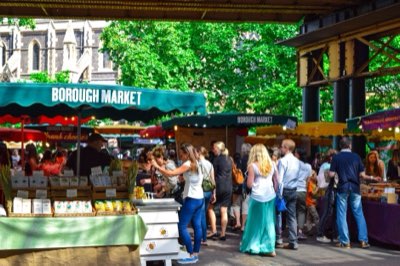
Standing in a crowded terminal or a busy marketplace, the sheer volume of people highlights the scale of global interest in the UK. High visitor numbers can transform quiet villages into bustling hubs of activity.
The scale of tourism is evident in the recorded movement of people across the country.
This influx of people supports local economies and keeps historical sites maintained through tourism revenue.
Managing these crowds requires understanding the balance between mass tourism and local life. A local Cotswolds shopping guide would suggest visiting during off-peak times to avoid the density of peak seasons.
High volumes of travelers can transform quiet neighborhoods into bustling hubs.
How can you compare historical sites with modern shopping?

Moving from a quiet museum to a vibrant high street shows the transition from preservation to active commerce. Comparing these two elements helps travelers decide how to allocate their time.
| Feature | Historical Context | Modern Shopping Context |
|---|---|---|
| Primary Focus | Preservation of heritage and architecture | Economic contribution and retail variety |
| Visitor Experience | Educational and contemplative | Interactive and consumer-driven |
A visit to a historic site provides a sense of place, while local boutiques offer tangible connections to the region's current culture. An authentic Cotswolds travel tips approach involves balancing a morning of historical exploration with an afternoon of browsing local crafts.
Contrasting ancient architecture with contemporary retail centers highlights the evolution of urban life.
What are the steps to visiting like a local?
Navigating a new region requires a blend of preparation and spontaneity. Stepping off a train into a historic village requires a plan to ensure you don't miss the essence of the location.
- Research the historical significance of the area to understand the context of the architecture. 2. Identify local artisanal shops that specialize in goods produced in that specific region. 3. Coordinate your itinerary to balance major landmarks with quiet, local-only spots.
I once spent an entire afternoon wandering through a small market after reading about its local history. Following these steps ensures you don't just see the sights but actually experience the atmosphere.
A limitation to this approach is that seasonal weather can significantly impact the accessibility of outdoor historical sites.
- Research neighborhood traditions before you arrive.
- Use public transportation to navigate the city.
- Support small, independent businesses.
How does the economy shape the travel landscape?
Looking at a balance sheet or a regional development map reveals the economic engine behind tourism. The relationship between history and money is often what keeps heritage sites alive.
The economic impact of tourism is a vital part of the national story. The growth of the travel sector reflects the enduring appeal of the UK's heritage. Using a local Cotswolds shopping guide helps travelers navigate these economic hubs effectively.
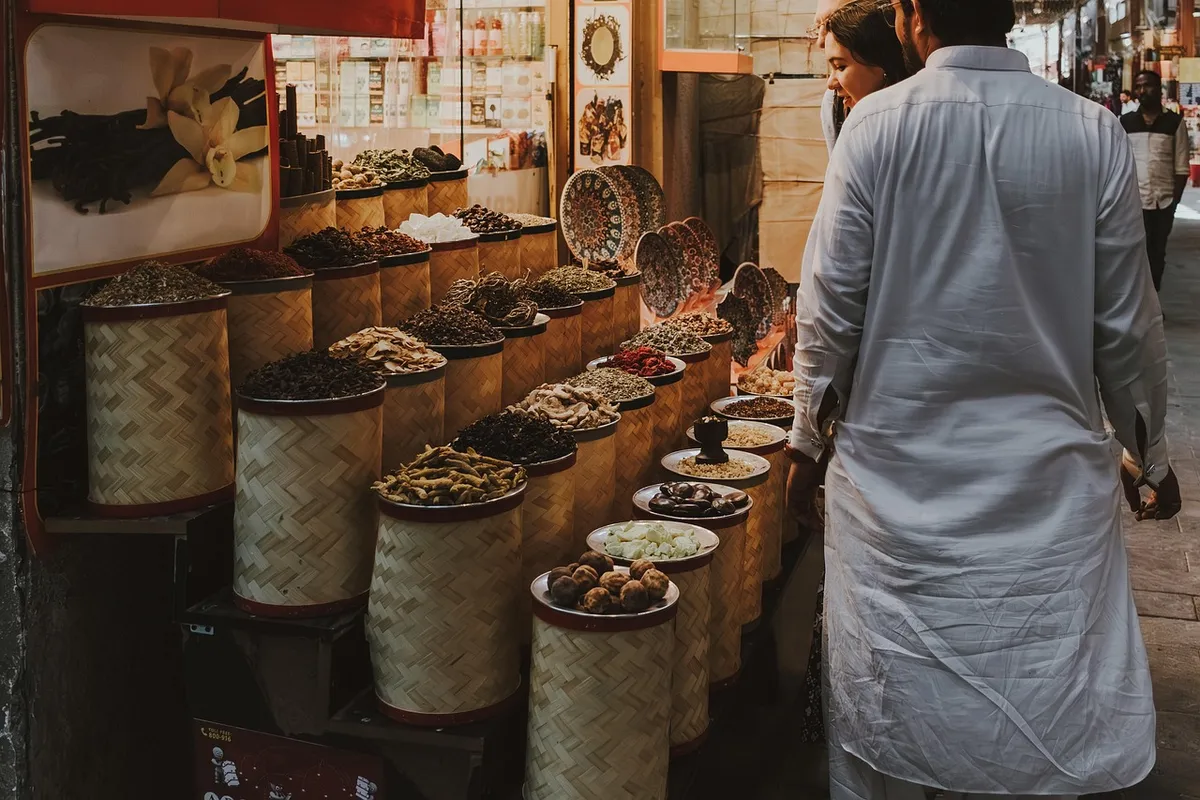
Providing support to local businesses is a way to contribute to the preservation of the very history people come to see. An authentic Cotswolds travel tips strategy focuses on supporting small-scale producers who maintain traditional methods.
Economic shifts directly influence the availability and variety of tourism services.
Wikipedia: London Based on the retained excerpt mentioning The London Natural History Society: The London Natural History Society suggests that London is "one of the World's Greenest Cities" with more than 40% green space or open water, 2000 species of flowering plant, and 120 species of fish.
The subject here is Cotswolds history and shops.
Related
- Cotswolds train local routes: How to navigate regional lines
- How does one maximize the greenest escapes?
How does the modern economy sustain the historical place?
The modern economy sustains the historical place by providing the financial means for its upkeep. The revenue generated from visitors supports the maintenance of ancient structures and sites. This financial flow keeps the physical remnants of the past accessible to future generations.
The contemporary commerce mirrors the past industries, offering modern versions of traditional goods. Local businesses translate deep history into contemporary products available for purchase. This continuity between the past and present sustains the overall appeal of the place.
In this sequence, the second step is the most extensive.
What cautions should a traveler keep in mind?
Travelers must balance their desire to see the past with the reality of the present. Over-reliance on one aspect, either purely historical or purely commercial, limits the depth of the journey. A wise traveler integrates both elements for a complete understanding of the place.
The scale of modern tourism means that some historical sites experience high levels of wear. Therefore, visitors should proceed with awareness of this physical impact. Choosing off-peak times mitigates the strain on both the site and the local community.







Comments 0