London Bus Routes: See the City Like a Local Rider Does
Beyond the Sightseeing Bus: Insider Tips for Navigating London’s Iconic Routes Like a Local.
If you find yourself standing on a rain-slicked corner in South Kensington, staring at a red double-decker, you aren't just looking at a vehicle; you are looking at a moving classroom.
While many visitors think of buses as mere transport, the clever traveler uses them as a strategic tool to see the city without the frantic pace of the Underground.
* Understand the distinction between purpose-built sightseeing loops and standard transit routes to maximize your time. * Local riders prioritize efficiency and specific route knowledge to access hidden corners of the city. * Mastering payment methods and boarding etiquette is essential to avoiding friction with regular commuters. * Strategic bus usage allows for effortless transitions between central landmarks and leafy suburban escapes.
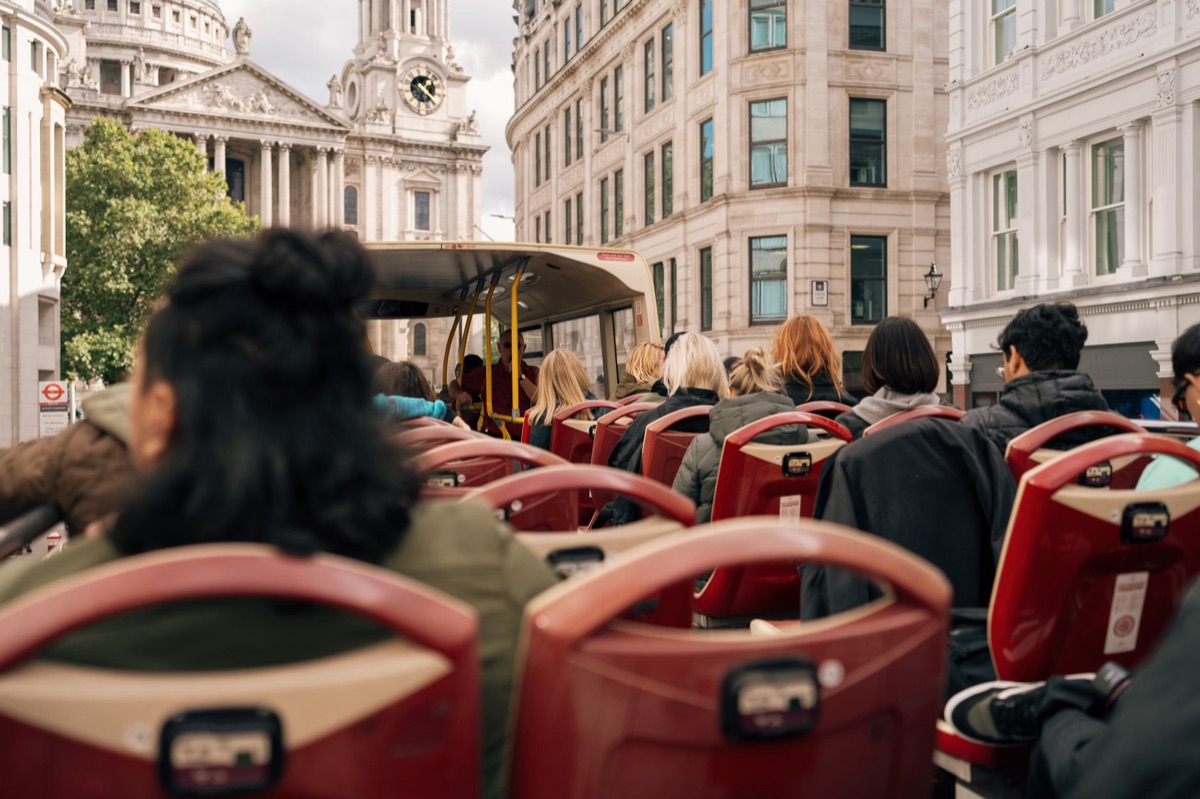
Why Do Locals Choose the Tour Bus Experience? (Beyond Tourist Traps)
The morning sun hits the gold lettering on a passing bus as it rattles past a row of Victorian townhouses. A local resident, coffee in hand, glances up from their phone to check the digital display, already knowing exactly which stop will lead them to the best bakery in Bloomsbury.
While the term "tour bus" often conjures images of open-top vehicles with loud audio guides, many locals utilize the city's extensive red bus network as a way to experience London's shifting architecture.
Unlike the Underground, which often keeps you in a subterranean vacuum, the bus offers a moving snapshot of the city's transition from the glass skyscrapers of the City to the historic streets of Westminster.
Using these routes allows for a deep dive into the city's layout. For example, certain routes act as a scenic bridge between the bustling central hubs and the more relaxed, green outskirts.
Because London is "one of the World's Greenest Cities" with more than 40% green space or open water, riding a bus through areas like Hampstead or Richmond offers a glimpse of the 2,000 species of flowering plants and diverse ecology that define the city's outskirts.
Thematic routes often serve as a way to see the city's layers. A traveler might use a specific line to transition from the museum district to a local market, turning a simple transit leg into a cultural immersion.
It is about seeing the way the architecture changes block by block—a perspective you simply cannot get while traveling through a tunnel.
But how do you decide which red vehicle to step onto when you are standing at a busy junction?

Which tour bus actually fits my goals? A traveler stands at a busy junction in Piccadilly Circus, clutching a paper map and looking up at the various colored signs of the bus stops. They must decide: do they take the direct shot to the museum, or do they take the scenic route that winds through the park?
The first step in choosing your way of travel is defining your goal. If your objective is to reach a specific museum or a historic site like the Tower of London, a dedicated sightseeing loop might be tempting. However, these are often slower and more expensive than the standard red bus.
For a more authentic experience, using the regular transit network to reach a specific neighborhood is often the smarter move.
When planning your route, consider the "scenic vs. speed" trade-off. Standard tourist paths often hit the heavy-traffic landmarks, which can lead to significant delays.
In contrast, local-focused routes might take you through residential areas or past hidden gems like small community gardens that aren't on the main tourist maps.
Timing is also a critical factor. If you want a clear view of the city, avoid the morning and evening rush hours when buses are packed with commuters. If you prefer a leisurely viewing experience, mid-morning or mid-afternoon offers the best balance of light and availability.
Booking in advance is usually only necessary for specialized, private guided tours; for general city exploration, a contactless payment card is your best friend.
But even with a plan, you might find yourself caught in the polite chaos of a crowded vehicle.
What are the essential rules and local do's? The bus doors hiss open, and a group of passengers moves in a practiced, rhythmic shuffle. A tourist reaches for their wallet, but a local simply taps a card against the reader with a quick, decisive motion, moving toward the stairs without breaking stride.
Understanding the difference between a guided tour fee and a standard transit pass is the first rule of thumb. If you are on a dedicated sightseeing bus, you are paying for a premium service that includes audio guides and often a driver who acts as a guide.
If you are using the red city buses, you are using the public transit system, which operates under much stricter rules of efficiency.
If you are in a crowded setting, remember that the person entering the bus usually has priority, but the flow of people is a delicate dance of yielding and moving.
Navigating stops requires a bit of local signaling. To let the driver know you want to get off, you must press the red "stop" button on the poles inside the bus.
If you are on a double-decker, remember that getting down the stairs can take a moment; do not start descending until the bus has reached a complete stop to avoid stumbles. Finally, always keep an eye on your valuables in crowded conditions, especially in high-traffic areas like Oxford Street.
When you finally step off the bus, you need a plan to make the most of your day.
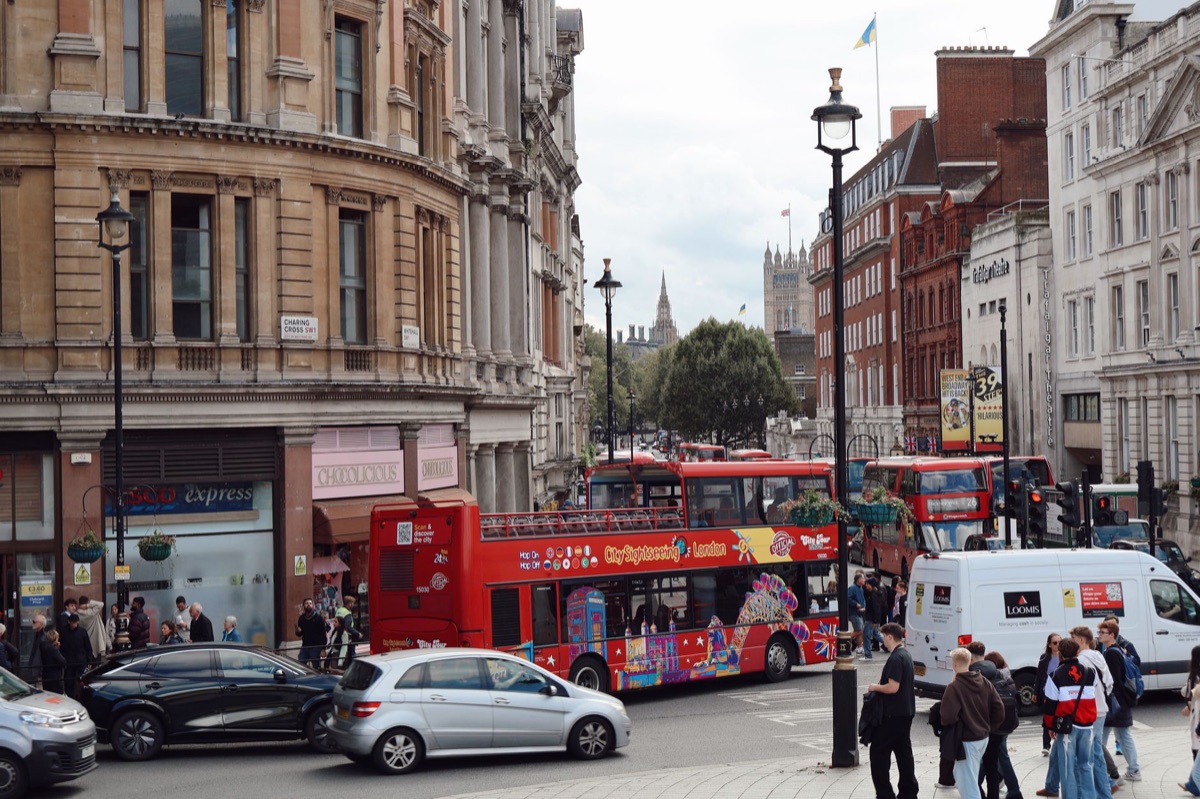
How to Master Your Transit Itinerary
The train station hums with energy as travelers transition from the city center to the outskirts. A traveler checks their phone, looking at a much-needed map that connects a bus route to a nearby rail line, planning a seamless transition to a historic town just outside the city limits.
The London Natural History Society suggests that London is one of the World's Greenest Cities with more than 40% green space or open water. According to World Bank, the United Kingdom recorded international tourist arrivals of 11,101,000 in 2020.
The bus network is often the perfect starting point for larger excursions. Many routes serve as a gateway to the outskirts of London, providing a way to reach suburban hubs that connect to larger rail networks.
For example, a bus ride might take you to a station that serves as a jumping-off point for a day trip to places like Windsor or Oxford.
Connecting transport is where the real skill lies. A well-planned journey often involves a "multi-leg" approach: taking a bus to a specific neighborhood, walking a short distance to a local market, and then jumping on a train for a longer journey.
This prevents you from being stuck in one area all day and allows you to see the transition from urban density to suburban greenery.
When planning, it is often better to rely on a combination of transport rather than a single bus line. While a bus is great for local movement, it can be slow for long distances. Use the bus to get close to your destination, then use a short walk or a quick tube ride to finish the journey.
This keeps your travel time efficient while still allowing you to see the city's changing face.
But what happens when the schedule doesn't match your reality?
Troubleshooting & Advanced Rider Tips (When Things Go Wrong)
A sudden rainstorm turns the street into a gray blur, and a bus arrives much later than the digital sign predicted. A traveler looks at their watch, then at the crowded bus, wondering if they should wait for the next one or jump on this one.
In a city as large as London, delays are inevitable. Traffic congestion or roadworks can cause schedules to shift unexpectedly. If you miss a connection, do not panic. Most routes are frequent enough that a replacement will arrive soon.
If you are using a specific timed tour, check the operator's website for real-time updates.
If you find yourself lost or confused by a route, look for a local or a bus conductor (though conductors are rare on standard buses, they exist on some specialized services). A quick question can save you an hour of wandering.
For quick fixes to missed connections, use transit apps that provide real-time GPS tracking of buses to see exactly where your ride is.
To maximize the value of your travel, remember that a single transit card or contactless payment works across almost all modes of transport. You don't need to buy separate tickets for every leg of a journey within the central zones.
This "pay-as-you-go" system is designed to make hopping on and off effortless, provided you stay within the fare caps.
When I first tried navigating the routes in 2025, I spent far too much time trying to match paper schedules to the actual bus arrivals. I learned the hard way that the digital reader on the bus is your most reliable friend.
To make your transition from tourist to local effortless, follow this checklist:
- Check the Live Map: Before leaving your hotel or cafe, check a real-time transit app to see if your intended route is facing delays.
- Verify the Zone: Ensure your contactless card or travel card covers the zones you are entering to avoid unexpected fare adjustments.
- Identify Your Stop: Look at the digital display as you board; it will tell you the next stop so you don't miss your exit.
- Signal Early: Press the red "stop" button as soon as the announcement for your stop is made to ensure the driver knows you are disembarking.
- Plan the Exit: If you are on the top deck, start moving toward the stairs one stop before your destination to avoid a frantic scramble.
| Feature | Dedicated Sightseeing Bus | Standard Red Bus (Local) |
|---|---|---|
| Primary Purpose | Tourism & Landmark Viewing | Commuting & Local Transport |
| Cost | Higher (Includes guide/audio) | Low (Standard fare) |
| Speed | Slower (Includes many stops) | Variable (Depends on traffic) |
| Route Type | Fixed Loops | Comprehensive Network |
| Vibe | High-energy, loud, social | Efficient, quiet, local |
#







Comments 0