Cotswolds Day Trips: Unlock English Charm from London Base
Unlock the quintessential English countryside charm without sacrificing your London base.
If you are staring at a map of England wondering whether to head to the academic halls of Oxford or the honey-colored stone villages of the Cotswolds, you are facing the classic traveler's dilemma.
While London offers a massive 40% of green space and open water to explore, the true pastoral dream lies much further west.
* Cotswolds day trips are achievable but require strategic planning regarding travel time and focus. * The decision between a structured tour vs. self-guided travel significantly impacts the experience. * Navigating the journey requires understanding train vs. driving logistics from London. * Maximize the visit by pairing it with a deep dive into local culture (pubs, villages, scenery).

Why Choose the Cotswolds for a Day Trip from London?
The morning sun hits a stone wall in Castle Combe, casting a warm glow that makes the entire village look like a film set. You stand there with a lukewarm coffee, realizing that the frantic energy of London’s Underground feels worlds away.
While London is a major global settlement that has been inhabited for nearly 2,000 years, its energy is distinctly urban. In contrast, the Cotswolds offers a glimpse into a different era of English life.
Many travelers debate between visiting Oxford or the Cotswolds; while Oxford provides intellectual depth and stunning architecture, the Cotswolds provides the visual soul of the English countryside.
The primary draw is the "Area of Outstanding Natural Beauty" status, characterized by rolling hills and limestone villages. However, you must weigh the travel time against your exploration time.
A day trip is a commitment of roughly four to five hours of transit round-trip, meaning you must be intentional about your destination.
The decision usually boils down to whether you want to see a single, perfect village or a broad sweep of the landscape. If you want to understand the deep-rooted English cultural codes of village life and agricultural history, the Cotswolds is the superior choice.
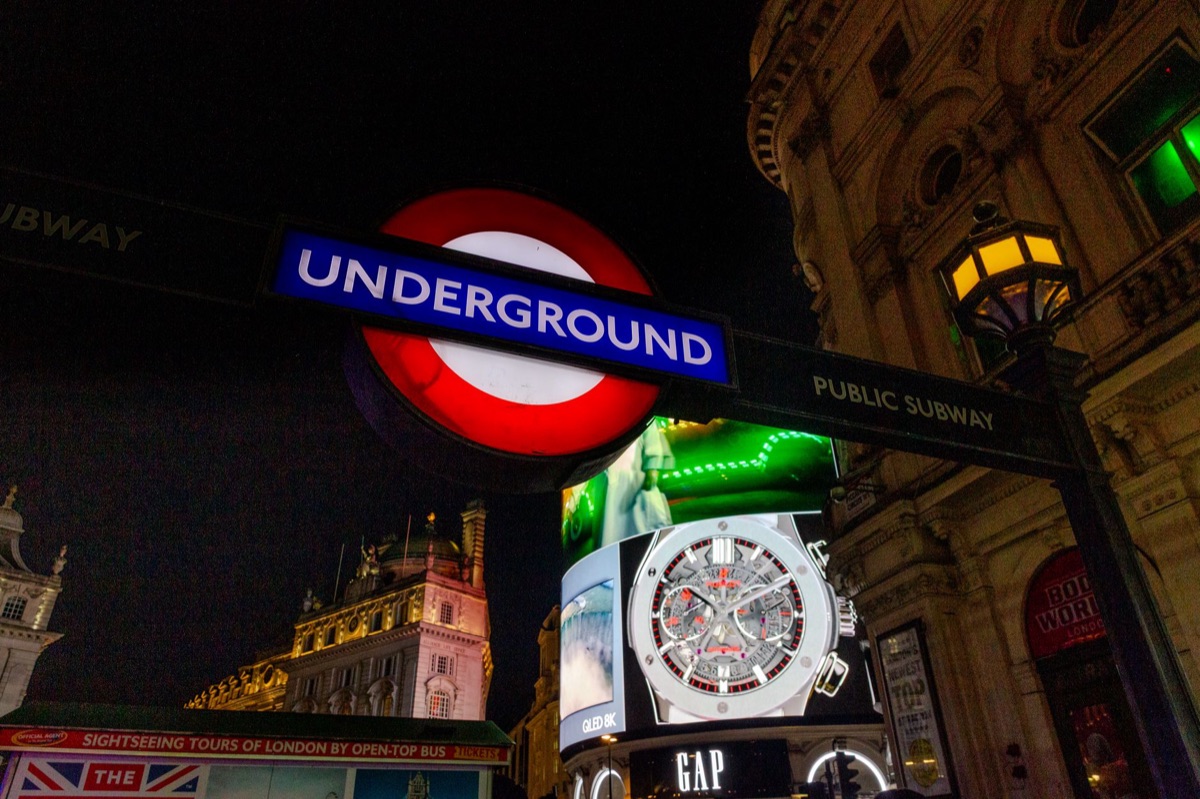
Should I take a tour or go it alone in the Cotswolds? A group of travelers gathers at a coach terminal in Victoria, checking their watches as a guide explains the day's itinerary. There is a sense of ease in the air, but also a lingering thought: "Could we have done this better on our own?"
Deciding how to navigate this region is the most critical choice you will make. You essentially have two paths: the structured tour or the self-guided adventure.
Structured Tour * Pros: High efficiency, professional guides who explain the history, and zero stress regarding driving on narrow lanes or finding parking. * Cons: Rigid schedules, limited time in each location, and the feeling of being part of a "tourist herd."
Self-Guided Travel * Pros: Complete autonomy, the ability to linger in a quiet tea room, and the freedom to change plans based on weather. * Cons: High logistical complexity, potential for getting lost on winding roads, and the exhaustion of managing transit.
The decision point is simple: Do you want to see ten things quickly, or two things deeply? If you want to hit multiple villages in a single day without the headache of navigation, a tour is often the pragmatic choice. If you want to wander aimlessness through a single valley, go self-guided.
How do I get there and get around easily? The train platform at London Paddington is crowded, a blur of commuters rushing toward the West Country. You grip your ticket, wondering how much of the day will be spent on tracks versus on foot.
Getting from London to the heart of the Cotswolds is not as simple as hopping on a single train. Most travelers head to stations like Moreton-in-Marsh, Oxford, or Cheltenham Spa. From there, the real challenge begins.
Travel Routes and Timing Most journeys from London take between 1.5 to 2.5 hours depending on your starting point. Once you arrive at a hub like Moreton-in-Marsh, you are in the heart of the northern Cotswolds, but you are still a distance from the southern gems.
On-Site Movement * Rental Car: This is the gold standard for flexibility. It allows you to reach remote villages that buses simply cannot touch. However, driving through narrow, stone-walled lanes can be intimidating for those unused to UK roads.
* Local Bus/Taxi: In some areas, buses connect major villages, but they are infrequent. Taxis are available but can be expensive for long distances between remote spots.
Ticketing Strategy Always book your London-to-hub train tickets in advance through providers like GWR (Great Western Railway) to secure much lower prices. Last-minute tickets can be significantly more expensive. For tours, booking weeks in advance is essential during peak season.
Beyond the Scenery: Deep Dive into Cotswolds Culture
The smell of woodsmoke and damp earth fills the air as you walk through a narrow lane in Bourton-on-the-Water. You find a small, ivy-covered pub and realize that the "scenery" is actually a living, breathing community.
The London Natural History Society suggests that London is one of the world's greenest cities, featuring more than 40% green space or open water.
To truly experience the Cotswolds, you must look beyond the postcards. The region's identity is tied to its history of wool production and agriculture, which is why the golden limestone is so prevalent.
The Role of the Local Pub A pub lunch is not just a meal; it is a cultural cornerstone. In the Cotswolds, the local pub often serves as the social heart of the village. Finding a pub with a real fireplace and locally sourced ingredients is a quintessential English experience.
Village Exploration Don't just look at the houses. Look at the gardens, the hand-carved door frames, and the way the stone paths wind through the hills. The best photography happens in the soft light of early morning or late afternoon, rather than at midday.
Timing Your Visit * Spring: For blooming gardens and fresh green landscapes. * Autumn: For golden hues and a cozy, atmospheric feel. * Winter: For quiet, misty villages, though many local amenities may be closed.
| Feature | Structured Tour | Self-Guided (Car) |
|---|---|---|
| Ease of Use | High | Moderate |
| Flexibility | Low | High |
| Cost Efficiency | Predictable | Variable |
| Discovery Potential | Moderate | High |
Essential Visitor Tips & Pitfalls to Avoid
You sit on a stone bench in Stow-on-the-Wold, looking at your itinerary and realizing you have scheduled four villages in six hours. The realization hits: you are rushing, and you are missing the very peace you came to find.
According to the World Bank, the United Kingdom recorded a high-technology share of manufactured exports of 29.2% in 2024.
The biggest mistake travelers make is over-scheduling. A day trip is a snapshot, not a full documentary.
Managing Expectations You cannot "see the Cotswolds" in a day. You can see a *part* of the Cotswolds. Do not attempt to visit five different villages in one day; you will spend more time in transit than in exploration. Pick two or three locations at most.
Pacing and Weather The English weather is famously unpredictable. Even in July, a sudden downpour can change the mood of your trip. Always carry a waterproof layer and sturdy walking shoes. A "scenic walk" can quickly turn into a muddy trek.
Contingency Planning If you are traveling by train, always have a backup plan for how you will get from the station to your chosen village. Check local bus schedules in advance, as they may only run a few times a day.






Comments 0