Medical research and London research university ranking why
"The pursuit of knowledge in London requires not just individual brilliance, but the strength of massive institutional collaborations."
London research university ranking is often defined by the deep-seated partnerships between its historic institutions. This guide explores the academic influence of King's College London, its specialized training roles, and its collaborative ventures with other leading science universities.
Key takeaways include the significance of independent degree-awarding powers, the role of large-scale medical research partnerships, and the importance of inter-university centers in fields like nanotechnology and mathematics.
How did administrative changes shape the London research university ranking?
At dusk in the quiet office, the administrator sighs while reviewing the new medical administrative protocols.

A researcher walks through the corridors of the Strand campus, reflecting on how institutional autonomy changed the landscape of higher education. The shift from being part of a larger federation to an independent entity marked a significant turning point for the college.
In July 2006, King's College London was granted independent degree-awarding powers in its own right, as opposed to through the University of London, by the Privy Council. This autonomy allowed the institution to shape its own academic direction and bolster its global standing.
Such a transition is a vital component of the UK research university status, as it permits specialized growth.
However, these structural shifts may not yield immediate improvements in global standing.
What role does collaborative research play in London academic influence?
In the sterile laboratory at midnight, the scientist grips a cold vial during a collaborative medical study.
Scientists meet in a shared laboratory space, working alongside peers from different institutions to solve complex biological puzzles. These partnerships bridge the gap between individual institutional goals and large-scale scientific breakthroughs.
According to Imperial College and University, MedCity was launched in 2014 as a collaboration between King's and the other two main science universities in London, Imperial College and University College London.
The London academic influence is strengthened through massive collaborative projects like MedCity. Launched in 2014, MedCity is the collaboration between King's and the other two main science universities in London, Imperial College and University College London.
These networks ensure that the capital remains a hub for scientific advancement.
The scale of these projects often requires significant financial commitments. In April 2011, King's became a founding partner in the UK Centre for Medical Research and Innovation, subsequently renamed the Francis Crick Institute, committing £40 million to the project.
Leading London colleges often rely on these joint ventures to maintain cutting-edge facilities.
However, the benefits of such partnerships may be limited when research goals diverge significantly.
According to World Bank, the 2025 record includes 4.7%.
How does the university handle specialized professional training?
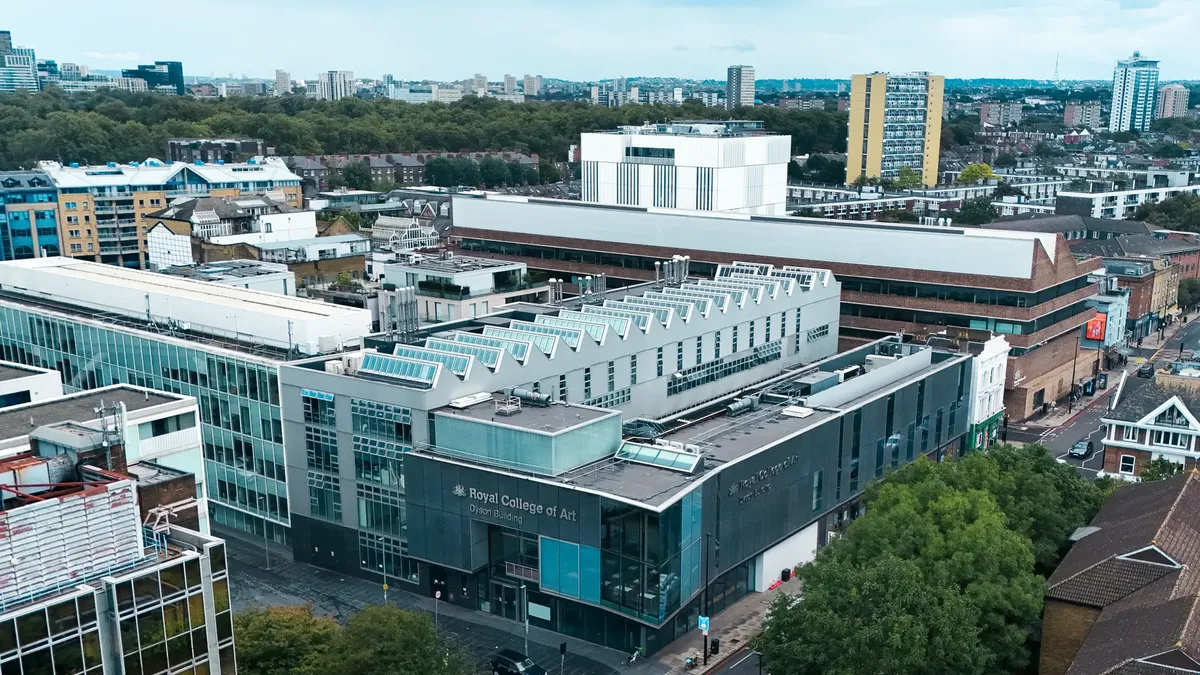
A military officer attends a seminar in a quiet, wood-paneled room, engaging with strategic studies provided by the college. This specialized training demonstrates how academic institutions support national interests through professional development.
Since 2000, the Defence Studies Department has provided unique services to the state.
Through its Defence Studies Department, King's has delivered professional military training to much of the UK armed services through the Joint Services Command and Staff College since 2000 under contract to the Ministry of Defence.
This practical application of research provides a unique dimension to its academic mission.
The department's specialized focus is supported by specific research facilities.
The department of war studies, within the school of security studies, is unique in the UK and is supported by research facilities such as the King's Centre for Strategic Communications, Liddell Hart Centre for Military Archives and the King's Centre for Military Health Research.
This specialized focus helps define the global standing of London schools.
- Identify the specific professional requirements of the industry.
- Develop a specialized curriculum tailored to those needs.
- Integrate practical training modules into the academic framework.
According to Maughan Library, the 2002 record includes 35 million.
How can students navigate the inter-university research landscape?
A student sits in a modern mathematics lab, working on a problem that requires input from three different university departments. This collaborative environment reflects the density of high-level research in the city.
Advancing research in London often involves joint ventures that transcend single-campus boundaries.
For example, in the field of mathematics, King's College London has a joint venture with Imperial College London and University College London running the London School of Geometry and Number Theory (LSGNT), which is an EPSRC-funded Centre for Doctoral Training (CDT).
These centers allow for a pooling of resources and talent.
Another example of this type of cooperation is found in the physical sciences.
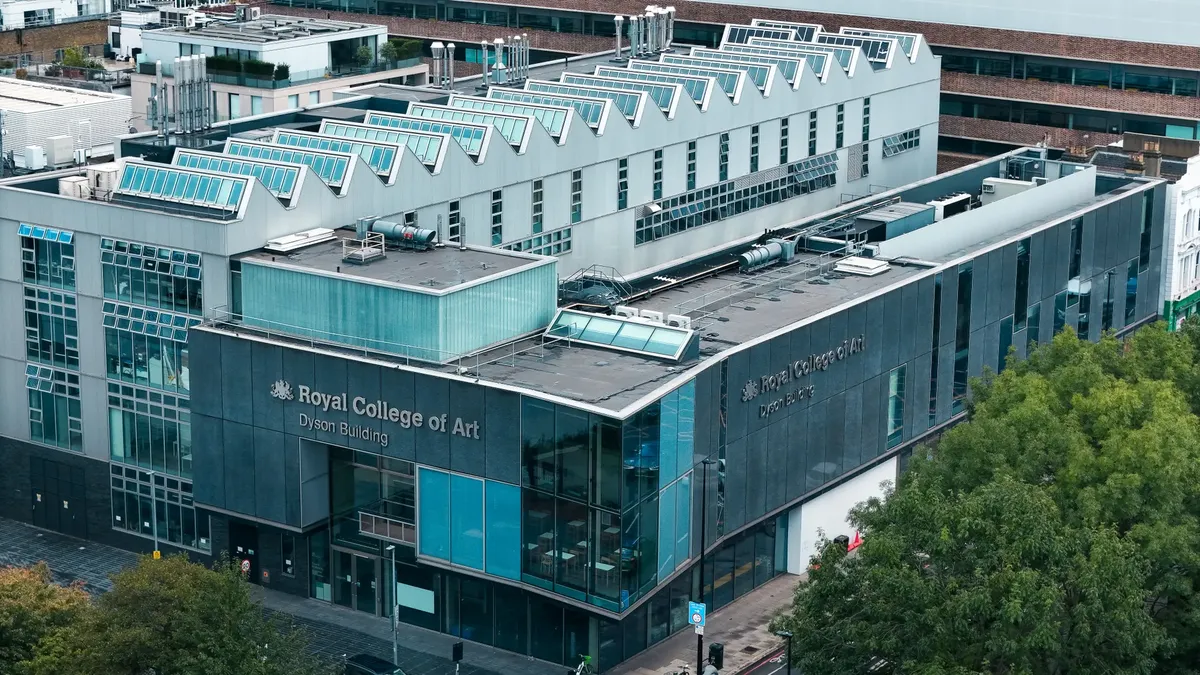
Another partnership King's College London has with both Imperial College London and University College London is in the field of Nanotechnology where all 3 universities jointly run the London Centre for Nanotechnology (LCN).
| Partnership Type | Participating Institutions |
|---|---|
| MedCity | King's, Imperial College, University College London |
| LCN (Nanotechnology) | King's, Imperial College, University College London |
I observed how these intersecting networks create a unique atmosphere of constant intellectual exchange.
I find that the second step in this process requires the most coordination.
What are the historical foundations of the campus infrastructure?
A student enters the massive, vaulted doors of a grand library, where the scent of old paper meets the quiet hum of modern study. The architecture serves as a physical reminder of the institution's long history and its evolution.
The library provides the space necessary for deep academic work.
The Maughan Library is the largest library at the college and is housed in the Grade II* listed 19th century gothic revival former Public Record Office building designed by Sir James Pennethorne, situated on Chancery Lane near the Strand Campus.
It was converted from the former Public Record Office building on Chancery Lane at a cost of £35 million and opened in 2002.
The archives within these historic walls hold the records of the institution's journey. This includes the Archives Reading Room, situated in the King's Building on the Strand campus, which includes the college archives and the Liddell Hart Centre for Military Archives.
However, these historical elements may not always align with modern technological requirements.
How do these institutions maintain their research edge?
A researcher reviews a complex dataset, knowing that the results will be shared across a global network of peers. The constant movement of information defines the academic life of the city.
To maintain an edge, the university participates in various high-level alliances. King's is a member of a range of academic organizations including the Association of Commonwealth Universities, the European University Association, and the Russell Group.
These memberships facilitate international cooperation and standard-setting.

The ability to attract talent is also a key factor. In 2022, the university gave offers of admission to 39.3% of its applicants, the 8th lowest across the country. This selective process ensures a high caliber of researchers and students.
What are the main collaborative science centers? The primary science collaborations include MedCity, which was launched in 2014 between King's and the other two main science universities in London, Imperial College and University College London. Additionally, the London Centre for Nanotechnology (LCN) is a joint effort between King's, Imperial College, and University College London.
How has the library evolved? The Maughan Library was created when King's acquired the former Public Record Office building on Chancery Lane and converted it at a cost of £35 million into the library, which opened in 2002. It remains the largest library for the college.
The academic landscape in London is defined by a mix of independent institutional strength and deep, resource-sharing partnerships. This complexity provides a robust environment for global research.
However, maintaining this edge is not always sustainable during periods of significant budget cuts.
Related







Comments 0