Premier League Pilgrimage: Touring 7 London Club Grounds
"Football isn't just a game in London; it is the heartbeat of the neighborhood, a weekly ritual that defines the identity of entire boroughs."
If you want to understand the soul of London, you cannot just look at the Tower of London or the museums; you have to stand in the stands of a Premier League stadium.
* Understand the distinction between stadium tours and match-day tickets to avoid logistical nightmares. * Choose your club based on whether you prefer historic atmosphere or modern architectural marvels. * Prepare for the sheer scale of London's transport and crowd density during match days.

🏟️ Why Football? Why London? Understanding the Cultural Significance
The smell of damp grass and the roar of a crowd echoing through a North London suburb hit you long before you see the pitch. Standing outside a stadium, you realize that these massive concrete structures are not just sports venues; they are modern cathedrals of community.
For centuries, London has been a major settlement at the head of a tidal estuary, growing into a global hub that has seen countless shifts in power and identity. While the city's history is etched in stone at Westminster, its living history is often found in the chants of the supporters.
In many ways, the passion of a Saturday afternoon match is as much a part of the city's DNA as the River Thames that flows through its heart.
The globalized version of football we see on television is a polished product, but the local reality is much more visceral. In London, clubs are tied to specific neighborhoods, social classes, and family lineages.
A stadium is a piece of social history where generations of families have gathered to express joy and heartbreak. To visit a stadium is to step into the social fabric of the city itself.
But how do you actually plan a trip that doesn't end in a frantic dash through a crowded tube station?

🧭 Before You Go: Planning Your Stadium Pilgrimage (The Logistics)
A group of friends stands in a crowded tube station in 2026, debating whether to head to North London or South London, clutching printed itineraries and looking slightly overwhelmed. The sheer variety of choices can lead to decision paralysis.
When planning your visit, you must first decide on your objective. Are you looking for a "Modern Marvel"—a high-tech, seat-filled spectacle—or a "Classic Atmosphere," where the history is felt in every creaking wooden stand? This choice will dictate your travel route and your budget.
The most critical distinction you must understand is the difference between a stadium tour and a match-day ticket. A stadium tour is a guided, educational experience that allows you to walk through locker rooms and dugout areas during non-match hours.
In contrast, a match-day ticket is your entry into the live, chaotic, and electric atmosphere of a real game. You cannot do both at the same time, so you must plan your trip accordingly.
Travel logistics in London require foresight. Each club is located in a different borough, and while the Tube is excellent, match days can cause significant delays and crowding. Always check which specific lines serve your stadium and allow at least an hour of extra travel time.
However, choosing the right venue is only half the battle. The real challenge lies in the sheer variety of the clubs themselves.
🏟️ Deep Dive: Touring the 7 Giants (Stadium vs. Atmosphere)
A traveler walks through the sleek, glass-walled entrance of a modern stadium, feeling the hum of high-tech air conditioning and the vastness of the concourse.
Tottenham Hotspur Stadium (The Modern Marvel): This is arguably the most technologically advanced stadium in Europe. It features a retractable pitch that allows for both football and NFL games, making it a masterpiece of modern engineering.
The atmosphere is designed to be immersive, with high-end hospitality and incredible sightlines.
Arsenal FC - Emirates Stadium (The High-End Spectacle): Located in Islington, the Emirates is a symbol of the club's successful transition into the modern era. It offers a clean, professional, and somewhat corporate atmosphere that is perfect for those who want a premium viewing experience.
The surrounding area is well-connected and vibrant.
Chelsea FC - Stamford Bridge (The Historic Heart): Unlike the newer giants, Stamford Bridge is a tight, traditional stadium nestled directly into a residential neighborhood. It feels intimate and intense, as the fans are incredibly close to the pitch.
It represents the successful, long-standing identity of West London.
West Ham United - London Stadium (The Multi-Purpose Giant): Built for the 2012 Olympics, this stadium offers a massive capacity and a unique, wide-angle view of the pitch. It represents the transition of a historic club into a massive, multi-use venue.
It is a grand, sweeping space that feels much larger than the older grounds.
Crystal Palace FC - Selhurst Park (The Pure Atmosphere): For those who want to feel the raw energy of English football, Selhurst Park is a legendary choice. It is a traditional, old-school ground where the fans are loud, passionate, and very close to the action.
It lacks the luxury of the Emirates but offers pure, unadulterated football culture.
Fulham FC - Craven Cottage (The Charming Classic): Situated right on the banks of the Thames, Craven Cottage is one of the most beautiful and historic grounds in England. It feels like stepping back in time, especially in the Johnny Haynes Stand.
It is perfect for travelers who prefer character and history over massive capacity.
Brentford FC - Gtech Community Stadium (The Local Gem): This stadium represents the rise of the "community club." It is smaller, more intimate, and deeply embedded in the local Brentford neighborhood.
It offers a realistic look at how modern clubs manage to maintain a local identity while competing at the highest level.
But once you pick a stadium, how do you actually execute the perfect visit?

✈️ Visitor's Toolkit: Making Your Successful Visit
A traveler sits in a crowded pub near a stadium in 2026, surrounded by fans in scarves, checking their phone to ensure they have the right digital ticket ready. The atmosphere is thick with anticipation and the smell of meat pies.
According to World Bank, the United Kingdom recorded international tourist arrivals of 11,101,000 in 2020.
| Feature | Stadium Tour | Match Day |
|---|---|---|
| Primary Goal | Education & Behind-the-scenes access | Live atmosphere & pure excitement |
| Access | Guided group tours | Individual seat assignment |
| Pace | Controlled and structured | High-energy and unpredictable |
| Cost | Generally lower/fixed | Highly variable (can be very expensive) |
To make your visit successful, you must understand the "Authenticity Factor." If you go on a match day, the experience begins in the local pub. Do not just head straight to the turnstiles; arrive an hour or two early to soak in the pre-match rituals.
This is where you will find the real culture—the chants, the debates, and the communal excitement.
When navigating match day crowds, remember that security checks can take significant time. Do not arrive at the gates exactly when kickoff is scheduled. Furthermore, always have your tickets downloaded to your phone or printed in advance, as signal strength can drop in crowded areas.
When I tried this myself during a weekend trip last year, I learned that arriving too late meant missing the soul of the event entirely. I spent two hours in a pub near Fulham, and that conversation with locals was worth more than the seat itself.
To ensure you don't miss a beat, follow this checklist:
- Verify Ticket Type: Confirm if you have a seat for a game or a slot for a tour.
- Check Transport Lines: Look up the specific Tube station and check for planned weekend maintenance.
- ly.
- Download Digital Tickets: Do this while you still have strong Wi-Fi at your hotel.
- Plan the "Pub Window": Aim to arrive in the neighborhood at least 2 hours before kickoff.
- Pack Light: Avoid large bags, as many stadiums have strict size restrictions.
But what happens when the game ends and you step back out into the city?
🧠 Beyond the Pitch: Echoes of London Life
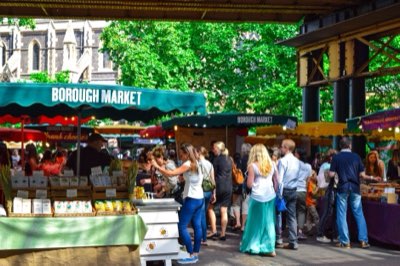
A quiet street in North London transitions into a bustling market scene, where the energy of the morning feels like a prelude to a weekend match. The transition from the roar of the stadium to the quiet of a residential street is jarring but beautiful.
The London Natural History Society suggests that London is one of the World's Greenest Cities with more than 40% green space or open water.
The intensity of a football match is a perfect mirror to the intensity of other London pursuits. Just as a West End theater enthusiast might spend hours discussing a play, a football fan lives for the tactical nuances of a ninety-minute game.
Both are forms of deep, passionate engagement that define the city's cultural life.
Visiting a stadium also provides a gateway to exploring specific London neighborhoods. A trip to Fulham leads you to the riverside charm of Chelsea, while a trip to Arsenal brings you into the trendy, urban energy of Islington.
Each stadium visit is essentially a mini-tour of a different facet of London’s diverse geography.
It is important to note that not every stadium visit will be a high-octane experience. Some tours may feel overly commercialized, and some match days might be dampened by weather or team performance. The "magic" is never guaranteed, but the scale of the effort is always there.






Comments 0