London Stadium post-Olympics use: Guide to viability
The legacy of large-scale sporting events often rests on how venues transition from temporary arenas to permanent community assets.
The transition of major athletic venues into multi-use spaces requires careful strategic planning to ensure long-term viability.
This guide examines how large-scale infrastructure can serve diverse purposes beyond a single event, while addressing the fluctuations in visitor numbers and spending that impact such facilities.
Key takeaways: * Successful venue repurposing relies on diversifying use cases to maintain engagement. * Economic stability for large venues is often tied to fluctuations in international visitor arrivals. * Infrastructure must accommodate diverse transport needs to remain accessible.
How does the London Stadium post-Olympics use affect local economies?
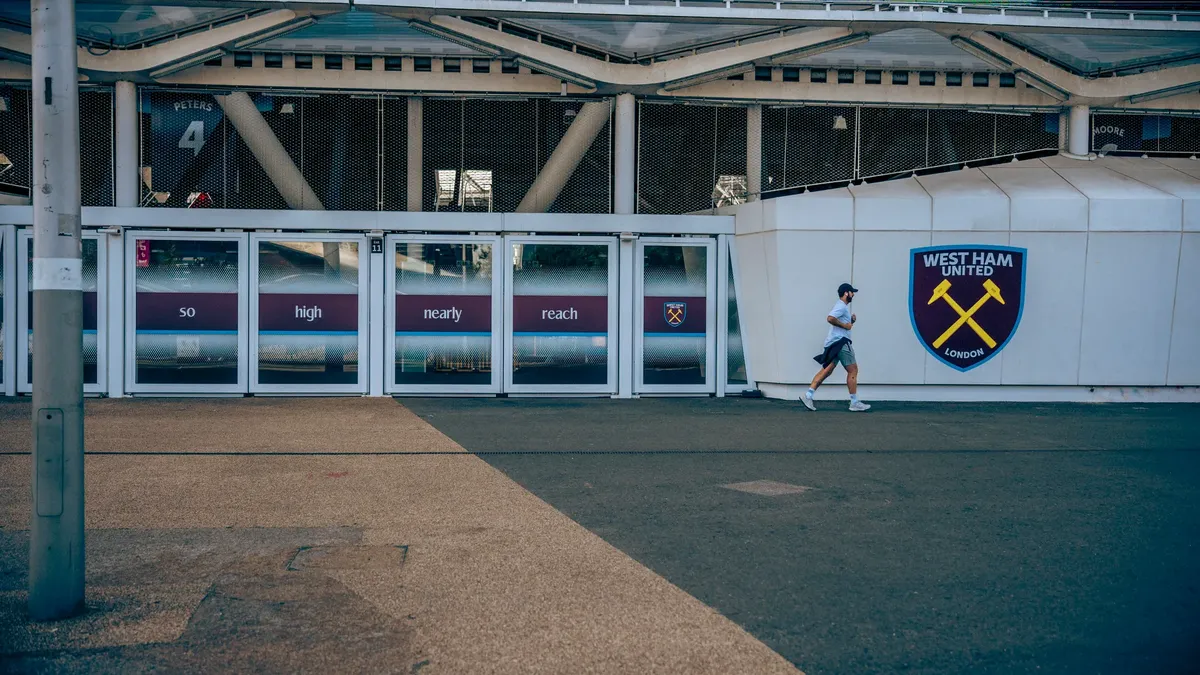
At dusk, a traveler brushes against the cold concrete of the London stadium while watching the bustling crowds surge through the gates.
A visitor walks through a massive concrete concourse, looking for signs of life in a space once built for a single summer. The economic impact of such a venue depends heavily on the volume of visitors it attracts.
This scale of movement demonstrates the massive potential for venue-driven economic activity.
Managing such a large-scale venue requires balancing massive capacity with consistent foot traffic.
The shifting nature of global travel affects how much revenue these sites generate. For instance, some £6.6 billion would be spent by inbound tourists, which was up 16% on 2020 but only 23% of the 2019 level.
This volatility highlights the challenge of maintaining a stable financial model for a large stadium.
What are the challenges of London venue repurposing?
An architect stands in a quiet stadium, sketching how to change the seating layout for a concert. Moving from a sports-focused layout to a multi-purpose configuration is a significant engineering and financial hurdle.
Effective London venue repurposing involves creating flexible spaces that can host everything from football matches to music festivals. The goal is to avoid the "white elephant" syndrome where a stadium sits empty after the main event concludes.
Economic shifts can drastically change the feasibility of these projects. For example, a VisitBritain report provided an estimate for inbound tourism in 2020, showing a decline of 76% in visits to 9.7 million and a decline of 80% in spending to £5.7 billion.
Such drops make the cost of maintaining massive facilities even more difficult to justify.
Why is an Olympic legacy stadium vital for urban planning?
At dawn, a planner traces a map in a quiet office, feeling the weight of responsibility for the london transit lines.
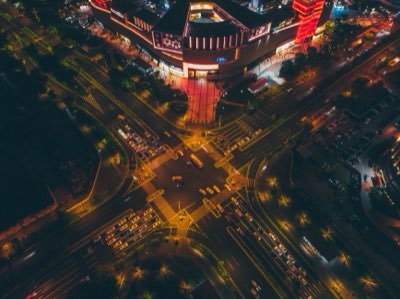
A city planner reviews a map of transit lines intersecting with a massive stadium footprint. Integrating a large venue into the existing urban fabric is essential for its long-term survival.
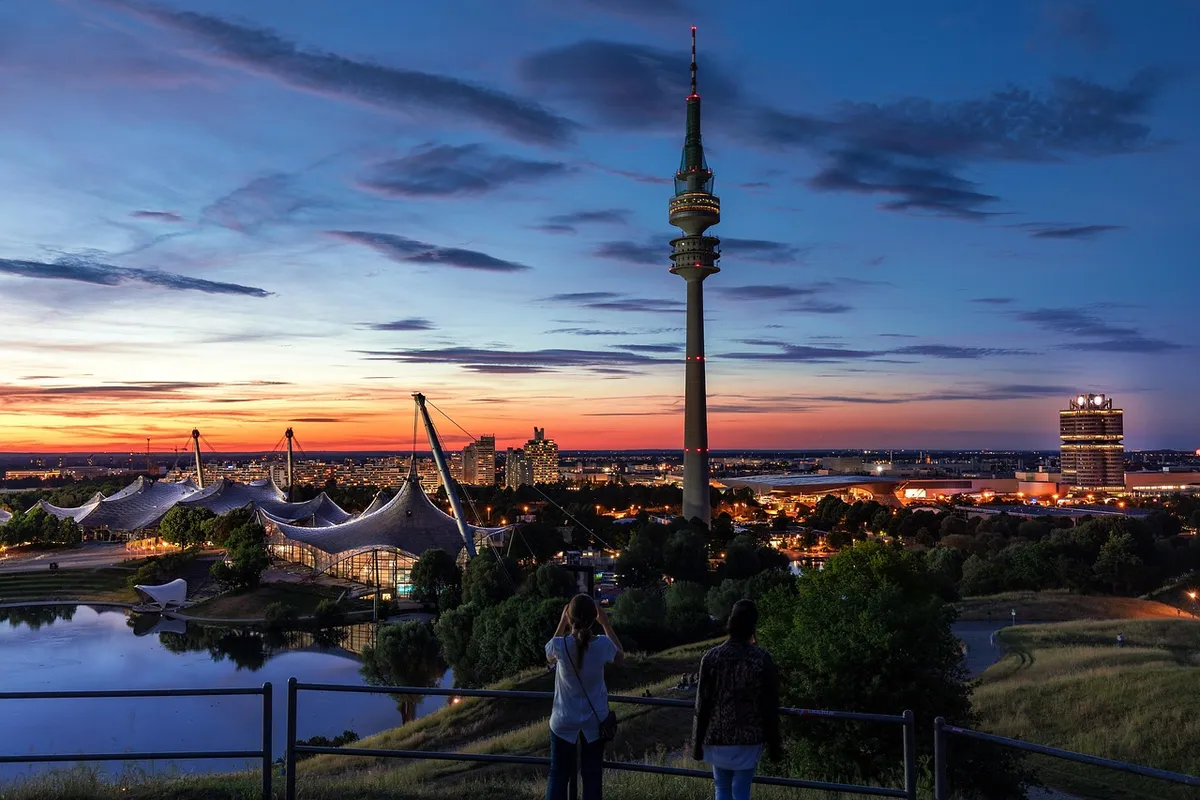
An Olympic legacy stadium serves as a catalyst for transit-oriented development. It must be able to handle massive surges in crowds while remaining accessible during quiet periods.
The relationship between visitors and transport is critical. With 48% of tourists using intracity buses, tubes, trams and metro trains, these are by far the most popular methods of transport. A stadium's success is often tied to how well it connects to these high-capacity transit lines.
How does stadium multi-use after games work?
A technician adjusts the lighting rig in a stadium, preparing the field for a different type of event. Transitioning between different types of events requires modular infrastructure and adaptable surfaces.
Stadium multi-use after games often involves switching between pitch-based sports and stage-based entertainment. This flexibility ensures that the venue remains a destination throughout the year.
The demand for such versatility is often driven by the need for consistent revenue. In 2015, VisitBritain estimated there were 65 million day visits centered around events, festivals and exhibitions, which accounted for 5% of all tourist day visits and a net spend of £3.6 billion.
What is the impact of West Ham United stadium use on the region?
A fan walks toward the gates of a modern stadium, feeling the energy of a match day. The transition to a permanent club home provides a consistent baseline of activity for the surrounding area.
The move to a permanent club home provides a regular schedule of events. This helps stabilize the local economy through predictable foot traffic and regular spending.
However, the vulnerability to global trends remains a factor. The forecast for 2021 suggested that spending would increase by 79% over the previous year and that the value of spending would be back to 84% of 2019 levels by the end of 2021.
This illustrates the recovery process required after major global disruptions.
How to manage large-scale venue transitions?
An operations manager walks the perimeter of a stadium, checking security checkpoints and entrance gates. Managing a massive facility requires a clear operational framework to handle different types of crowds.
To manage the transition of a large venue, follow these steps:
- Develop modular seating and floor plans to accommodate different event types. 2. Integrate high-capacity transit access to manage peak visitor loads. 3. Diversify the event calendar to include community and cultural activities.
After setting these protocols, conduct a final check of the facility's maintenance schedule to ensure the venue remains in top condition for various uses.
A limitation for this discussion is that the provided data focuses on general UK tourism trends rather than specific stadium operational costs.
- How does the London Stadium post-Olympics use affect local economies?
- What are the challenges of London venue repurposing?
- Why is an Olympic legacy stadium vital for urban planning?
The subject here is London Stadium post-Olympics use.
The same subject is also called Stadium after 2012 games.
This part also covers Stadium conversion success.
This part also covers Post-Olympics facility life.
Related
- What are the steps for effective London journey planning?
- What drives London research power in the global arena?
How does the legacy of a large stadium influence urban development?
The integration of a large stadium into the urban environment is crucial for its long-term viability. A successful legacy means the facility becomes more than just a match venue; it becomes a functional part of the city's infrastructure.
This successful integration helps sustain the local economy beyond the immediate event cycle.
The relationship between the stadium and the surrounding transit network determines its accessibility. When the stadium is well-connected to high-capacity transit lines, it maximizes its reach to diverse audiences.
This connectivity is vital for turning a single-use structure into a continuous community asset.
The operational plan must account for these external dependencies. Therefore, the management strategy must synchronize the stadium's schedule with the availability and capacity of the transit providers.
This coordination ensures that the facility remains a viable destination for residents and visitors alike.
World Bank Based on the retained excerpt mentioning World Bank: According to World Bank data, the United Kingdom recorded international tourist arrivals of 11,101,000 in 2020.




Comments 0