Cotswolds Day Trip: Train vs. Tour, Which Fits Your Visit?
"The choice between a train seat and a tour bus seat defines whether you are a spectator of the landscape or a participant in its rhythm."
Deciding how to navigate the Cotswolds is the difference between a structured itinerary and a wandering soul. Whether you prefer the autonomy of the rails or the seamlessness of a guided group, your choice will dictate the texture of your memories.
* Train travel offers deep immersion and independence but demands meticulous planning regarding onward local transport. * Tour packages provide convenience, covering logistics, but sacrifice spontaneity and deep local exploration. * The optimal choice depends entirely on your group size, desired pace, and tolerance for logistical detail. * Consider the "Cotswolds DNA"—charming villages, country pursuits, and quintessential English countryside—and match it to your travel style.

Why Choose the Train for Your Cotswolds Adventure?
The morning sun hits the honey-colored limestone of a station platform as the smell of damp earth and diesel lingers in the air. You stand there with a paper map and a sense of quiet anticipation, knowing that the next stop is entirely up to you.
As global connectivity grows, according to World Bank data, the world recorded share of internet users of 73.6% in 2025.
Choosing the train is the choice of the independent explorer. When you travel by rail, you aren't just moving through the landscape; you are experiencing the rhythm of the English countryside.
In 2025, as digital nomadism and independent travel surged, the desire to escape rigid schedules became even more pronounced.
Using Great Western Railway (GWR) or similar services from London Paddington to hubs like Moreton-in-Marsh or Oxford provides a solid foundation for a day of discovery. The primary advantage is ultimate flexibility.
If you find a quaint bookstore in a small village that you simply cannot leave, you can linger without the pressure of a tour group waiting at a designated meeting point.
When I tried this in the spring of 2025, I spent an extra 90 minutes in a tea room in Stow-on-the-Wold, an unplanned luxury that a tour would have forbidden.
However, the logistics require a sharp mind. Unlike a tour that drops you at a village gate, a train station is often a starting point rather than a destination. You must understand onward connections, such as local bus routes or the availability of taxis in more remote areas.
The risk is the "gap" between the station and the actual sights. If you miss a connecting bus in a rural area, you might find yourself stranded.
In 2026, as local transit schedules in rural England have become more digitized, you must ensure your smartphone is fully charged and your offline maps are downloaded.
For those who crave deep satisfaction, the train is unmatched. It allows you to set your own pace, deciding whether to spend three hours in a garden or twenty minutes snapping photos of a thatched roof.
To make this work, you must book "Advance" tickets through official rail websites to secure competitive fares. Last-minute flexibility is a luxury that comes at a high price in the UK rail system. In 2026, a last-minute single ticket can sometimes cost three times as much as a pre-booked seat.

When is a guided tour the smarter move? A large white minibus pulls up to a designated meeting point in central London, and a friendly guide begins checking names against a clipboard. The group gathers, the engine hums, and within minutes, the city streets are a memory as you head toward the rolling hills.
For many, a guided tour is the smarter move because it eliminates logistical headaches entirely. The itinerary is already curated, ensuring you hit the most famous highlights—like Bourton-on-the-Water or Bibury—within a single day.
These tours often bundle transport, professional guides, and sometimes even entry fees into one single price. This is the "plug-and-play" version of travel. In 2025, as travel costs fluctuated, the predictability of an all-inclusive tour became a major draw for budget-conscious families.
This approach is ideal for first-timers or those traveling with limited time. If you only have one day and want to see the "greatest hits" without the stress of navigating a local bus schedule in a foreign language, the tour provides a seamless experience.
It removes the decision fatigue that can plague travelers trying to navigate a new region. When you are tired from a long flight, the last thing you want to do is decipher a handwritten bus timetable in a rain-slicked station.
There is, however, a trade-off in depth. In a group setting, you are often on a strict schedule. You might only get forty-five minutes in a village before the group moves to the next stop. It is also vital to check the group size and the level of commentary provided by the operator.
Some tours are large-scale-bus operations that can feel impersonal, while smaller group tours offer a more intimate look at the local history. In 2026, the trend has shifted toward "micro-tours" of 6 to 8 people, which offer a better balance of ease and intimacy.
How much more will a tour cost than the train? You sit at a small wooden table in a pub, looking at your bank balance and then at your itinerary, wondering if the extra cost of a private driver is worth the ease of travel.
When budgeting, you cannot simply look at the ticket price; you must look at the total cost of the day. Train travel costs are highly variable. An "Off-Peak" ticket is cheaper but limits when you can travel, while an "Advance" ticket is the most economical but lacks flexibility.
You must also factor in the "hidden" costs of local transport, such as taxi rides from a remote station to a village center, which can quickly add up. A single taxi ride in the Cotswolds can range from £15 to £35 depending on the distance.
Tour costs are usually more transparent but can be deceptive. An all-in tour might seem expensive upfront, but it covers your transport and guide. You must check if lunch or specific attraction fees are included.
A "cheap" tour that excludes lunch might end up costing as much as a premium tour that includes it. In 2026, many travelers find that a £60 tour that includes a meal is actually more economical than a £40 tour that leaves you searching for food.
| Feature | Train Travel (Independent) | Guided Tour (Structured) |
|---|---|---|
| Primary Cost | Rail tickets + local taxis/buses | Single all-inclusive fee |
| Flexibility | High (you set the pace) | Low (the group sets the pace) |
| Planning Effort | High (requires research) | Low (pre-arranged) |
| Pace | Slow and lingering | Fast and efficient |
| Risk Factor | Missing connections/getting lost | Rigid schedules/group dynamics |
To determine the true value, ask yourself: Do I value my time spent planning more than the money I might save by going solo? If you are a meticulous planner, the train offers the best value.
If you want to spend your mental energy on enjoying the scenery rather than reading timetables, the tour is worth the premium.
Maximizing Your Day Trip: Beyond the Main Line
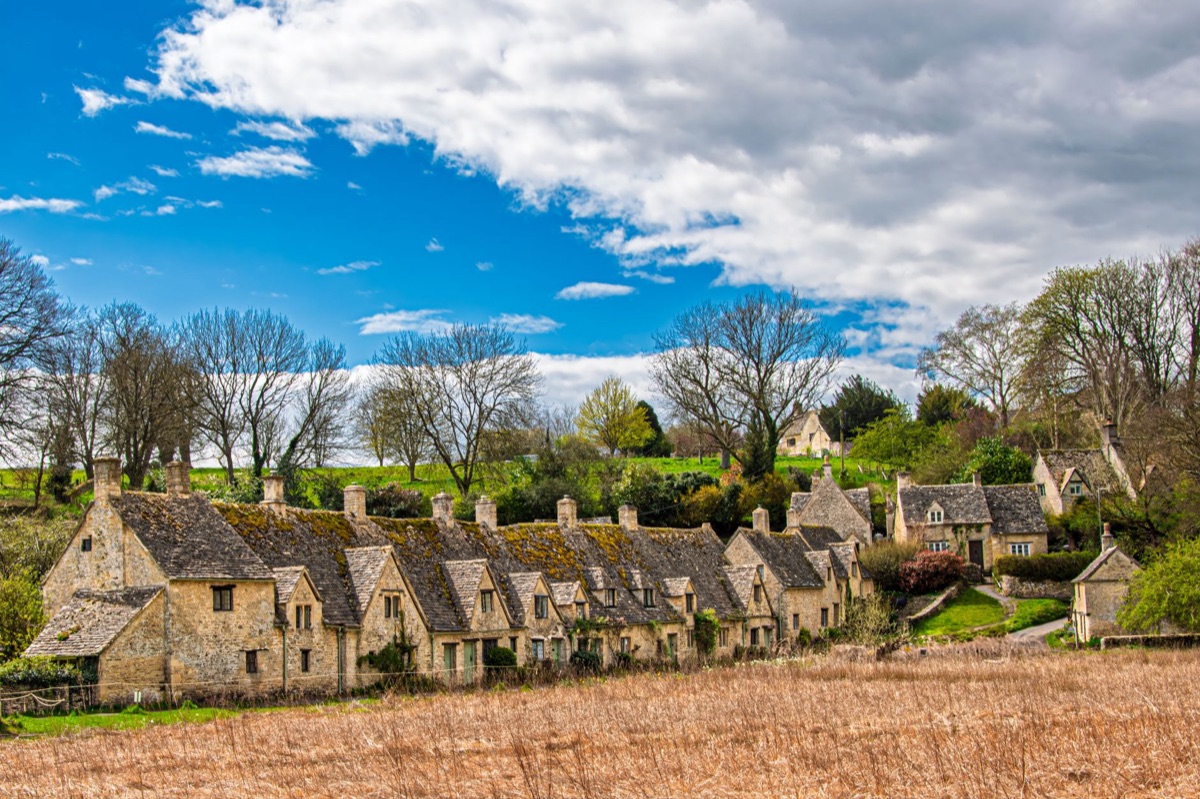
The smell of freshly baked scones wafts through an open window as you walk through a narrow stone alleyway, far away from the crowded tourist paths.
To truly experience the Cotswolds, you need to move beyond the main transit lines. If you choose the train, use your arrival point as a base. For example, arriving in Moreton-in-Marsh allows you to explore the surrounding area by renting a local bike or even a car for a few hours.
This "hybrid" approach gives you the ease of rail travel combined with the freedom of local exploration. In 2025, bike rental availability in the Cotswolds increased, making this a viable option for active travelers.
If you opt for a tour, don't just settle for any generic trip.
Select tours that focus on a specific theme, such as "Cotswolds Villages & Pubs" or "Gardens of the Cotswolds." This ensures that even though you are on a schedule, the content is meaningful and prevents the feeling of just "checking boxes."
Regardless of your method, always factor in the local DNA. The Cotswolds is defined by its slow pace and beautiful surroundings. Plan your stops around quintessential experiences, like a long lunch at a traditional pub or a quiet walk through a meadow.
Remember that a day trip compresses a vast area into a few hours; do not try to see ten villages in one day. It is better to see two villages deeply than ten villages through a bus window.
Quick Decision Matrix: Match Your Vibe to Your Journey
You look at your travel partner, who is pointing at a map of the countryside, and you realize that your travel styles are completely different.
Deciding between a train and a tour often comes down to the personality of your travel group. Use this quick guide to make your choice.
- Solo Traveler/Couple: The train is usually the winner. It offers maximum control over your breaks, dining, and photography opportunities.
- Large Group/First-Timer: A guided tour is the smarter move. It provides cohesion, prevents anyone from getting lost, and minimizes decision fatigue for the group.
- Goal-Oriented Traveler: If your goal is deep historical study or visiting one specific site, the train allows you to focus your time there. If your goal is a broad overview of the region, the tour is better.
- The Hybrid Approach: For those who want the best of both worlds, take the train to a major hub (like Oxford or Moreton-in-Marsh) and then hire a local driver or a private guide for the final leg of the journey.
FAQ
Q: How much time do I realistically need for a Cotswolds day trip? A: A single day is enough to see a few key villages, but you will need at least two days to feel like you have truly explored the region without rushing.
Q: Do I need to book train tickets in advance? A: Yes. In the UK, booking "Advance" tickets through official rail apps can save you significant money compared to buying them at the station on the day of travel. In 2026, prices can vary by as much as 50% based on how far in advance you book.
Q: Are the villages easy to reach by bus from the train station? A: In some areas, yes; in others, no. Always check the local bus schedules (or use an app like Citymapper) before committing to a specific train station.
Q: Is it safe to travel alone in the Cotswolds? A: The Cotswolds is generally very safe for solo travelers. However, always be mindful of your surroundings and let someone know your itinerary when traveling to remote areas.






Comments 0