West End Tickets: Day Seats vs. Rush Strategy Guide
"I stood in the rain outside the Prince Edward Theatre at 9:00 AM, clutching a lukewarm coffee and checking my watch every thirty seconds, wondering if the hunt for a single seat was worth the frostbite."
Securing a seat in London’s West End shouldn't require a second mortgage or a stroke of pure luck. By mastering the distinction between day seats and rush tickets, you can transition from a frustrated spectator to a savvy theatergoer.
Key Takeaways * Day Seats vs. Rush: Day seats are released in the morning for specific shows, while Rush tickets are often digital-first or limited-quantity entries released at specific times.
* Timing is Everything: Success depends on arriving at the box office early for physical releases or being lightning-fast on an app for digital ones. * Know Your Target: Popular long-running shows require different tactics than newer, smaller productions.
How to Master the Art of the Day Seat (The Advance Play)
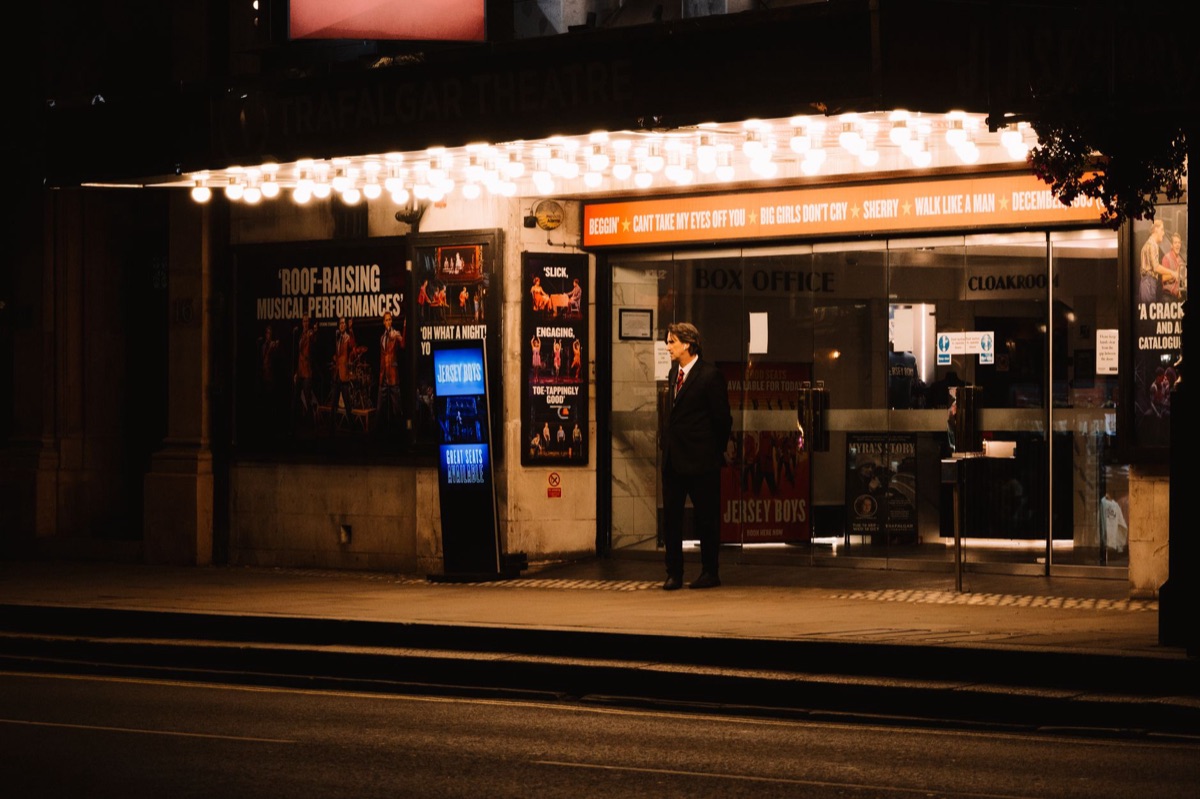
The smell of damp wool and the chatter of a growing queue outside a theater in Soho defines the morning of a successful day seat hunt. You stand in line, peering through the glass at the box office clerk, hoping your name is the one that gets the lucky break.
Day seats are a specific inventory of tickets released only on the day of a performance, usually at a significantly discounted flat rate. Unlike standard bookings that you might secure months in advance, these are meant to fill seats that would otherwise remain empty.
In the West End, you won't find day seats for every single production, but they are a staple for many mid-sized houses.
To execute this strategy, you must follow a strict timeline. Most theaters release these seats at the very start of business hours, often between 9:00 AM and 10:00 AM.
I once arrived at a theater in Covent Garden at 8:30 AM in the winter of 2025, only to find the queue already wrapping around the corner.
If you want to be safe, aim to be at the box office at least 90 minutes before the curtain rises, though for the most sought-after day seats, you may need to arrive even earlier.
Success is never guaranteed. The availability of day seats depends entirely on the show's popularity and how many seats the production has allocated for this specific promotion. It is a game of probability.
Always remember that a day seat is a genuine, single-use opportunity; if you miss the window, you cannot simply "wait" for them to appear later in the afternoon.
One crucial distinction is distinguishing a genuine day seat from a scalper's resale. A legitimate day seat is sold directly by the theater box office at a fixed, low price. If someone approaches you in the street offering a "special deal" on a seat, walk away.
But what happens when the hunt moves from the sidewalk to the smartphone?

Cracking the Rush Ticket Code (The Last-Minute Gambit)
Rush tickets are the high-speed alternative to day seats. While day seats are often physical, rush tickets are frequently managed through digital platforms or specific app-based windows.
They are designed to provide affordable access to high-demand shows by utilizing inventory that is released in small, controlled bursts.
To succeed with a rush ticket, you need to understand the specific rules of the production. Some shows require you to be a certain age, while others might require you to show a student ID or participate in a digital lottery.
For example, some productions use an app-based "lottery" style where you enter your details in the morning and find out if you won by midday. In other cases, you might need to be physically present at a specific time to claim a limited number of "standing room" or "rush" entries.
The timeline for rush tickets is much tighter than day seats. You are often looking at a window of just a few minutes. If you are targeting a digital rush, you should have your payment information already saved in your account to prevent delays during the checkout process.
In terms of success rates, rush tickets are generally harder to secure than day seats because the volume of tickets is much lower, but the potential for a "win" is much higher for those who can move fast. However, there is more to the hunt than just timing.
Beyond the Main Door: Alternative Hunting Grounds
Walking through the dim, velvet-lined corridors of a theater, you realize that the hunt doesn't always happen at the front desk. Sometimes, the best deals are found through a mix of digital savvy and local connections.
When the primary box office methods fail, you have to look at alternative avenues. While you should always prioritize official theater websites and box offices, there are other ways to hunt. Many theaters have official partner websites that offer slightly different inventory.
It is always worth checking the specific theater's own website directly rather than relying solely on massive third-party aggregators, which often add significant service fees.
However, always verify the cancellation policy of the app before committing your money.
A bit of local knowledge goes a long way. In the West End, there is a distinction between the "big" commercial hits and the smaller, more experimental productions. The smaller houses often have more flexibility with pricing and may offer more generous ways to secure last-minute seats.
Understanding the "ebb and flow" of the theater industry—knowing which shows are in their opening week versus those that have been running for years—will help you decide which strategy to deploy. But how do you choose between the risk of the hunt and the safety of a plan?
Timing Your Visit: Advance vs. On-the-Day Execution
Deciding whether to book a seat three months in advance or hunt for a deal on the morning of the show is a choice between peace of mind and pure adrenaline. It is a calculation of risk versus reward that every traveler must make.
Your choice should be dictated by your budget and your risk tolerance. Here is a breakdown of the three primary timing strategies:
| Strategy | Risk Level | Reward/Benefit | Best For... |
|---|---|---|---|
| Advance Booking | Low | Guaranteed seat and time | High-demand blockbusters and travelers with fixed schedules. |
| The Compromise | Medium | Potential for better seats/prices | Travelers with a 1-2 week window who can afford a slight risk. |
| On-the-Day Hunt | High | Lowest possible prices | Budget-conscious travelers with flexible schedules and high patience. |
High Risk/High Reward: This is the pure day seat hunt. You arrive in the morning with no seat and no guarantee, but you could walk away with a premium seat for a fraction of the price. This is perfect if you have no other plans for that evening.
Low Risk/Guaranteed Entry: This involves booking several weeks or months in advance. While you won't get the "steal" of a day seat, you secure your place in the theater. This is the only way to go if you are traveling in a group or have a very tight itinerary.
The Compromise: Booking 1-2 weeks in advance can sometimes catch the tail end of seat availability. Some travelers find that by booking a week out, they can still find decent deals through official "returns" or cancellations that hit the system.
The "why" behind these strategies is simple: popularity and run length. A show that has been running for ten years will have a different seat availability profile than a brand-new production. Always research the show's history before deciding how much risk to take.
But once you are in the building, how do you navigate the actual seat hunt?

How to Execute a Successful Last-Minute Seat Hunt
Standing in the lobby of a grand theater, surrounded by the scent of expensive perfume and popcorn, you realize you need a plan of action. You can't just wander in and hope for the best.
To maximize your chances of scoring a seat without breaking the bank, follow this checklist:
- Verify the Box Office Hours: Check the theater's official website to see exactly when the box office opens for the day. In 2026, many digital-only houses may not have a physical clerk available.
- Prepare Your Digital Toolkit: If you are pursuing a rush ticket, ensure your smartphone is fully charged and your payment methods are updated in the theater's official app.
- Check for Single Seat Availability: Inquire specifically about "single seat" inventory. Often, a single seat in a prime location is released at a discount because it is difficult to sell as part of a pair.
- Inquire About Standing Room: If the show is truly sold out, ask the clerk if there are any standing room tickets available. These are often the most affordable way to see a hit.
- manually verify the cancellation status of any seat you purchase through a third-party app.
- Have a Backup Plan: Always have a secondary show or activity in mind in case your hunt results in no tickets.
Success is never a certainty, but following a structured approach increases your odds. But what happens when you actually get inside the theater and realize the seat isn't what you expected?
Navigating the Theatreland Ecosystem (The Local Context)
Sitting in a cramped seat in the upper circle, you realize that a "sold out" sign doesn't always mean what you think it means. In the world of professional theater, there is a constant dance between the audience and the available inventory.
In the West End, you will often see signs stating a show is "Sold Out." In reality, this sometimes means the *reserved* seating is gone, but there may still be standing room or single seats available through the box office.
This is why you should always ask the clerk directly rather than assuming a closed door means no opportunity.
Finally, always be aware of the specific production's policies. Some shows are much more rigid about their ticketing than others. Some may allow you to swap a day seat for a different time, while others are strictly one-way.
Knowing the specific rules of the house you are visiting will prevent any unpleasant surprises at the door.







Comments 0