Visit Cotswolds: A Perfect Day Trip from London Hubs
"The Cotswolds is where the postcards come to life, offering a quiet, honey-colored escape from the relentless pulse of the city."
If you are looking to swap the roar of the Underground for the gentle chime of a village church bell, a day trip to the Cotswolds is your best bet. While London offers endless excitement, the Cotswolds provides that essential breath of fresh air that defines a truly great English holiday.
Key Takeaways * Choose between a structured guided tour for ease or a self-guided train/car journey for autonomy. * Plan your departure from London early to maximize your time among the stone cottages.
* Embrace local traditions like a hearty pub lunch or a refined afternoon tea to complete the experience.
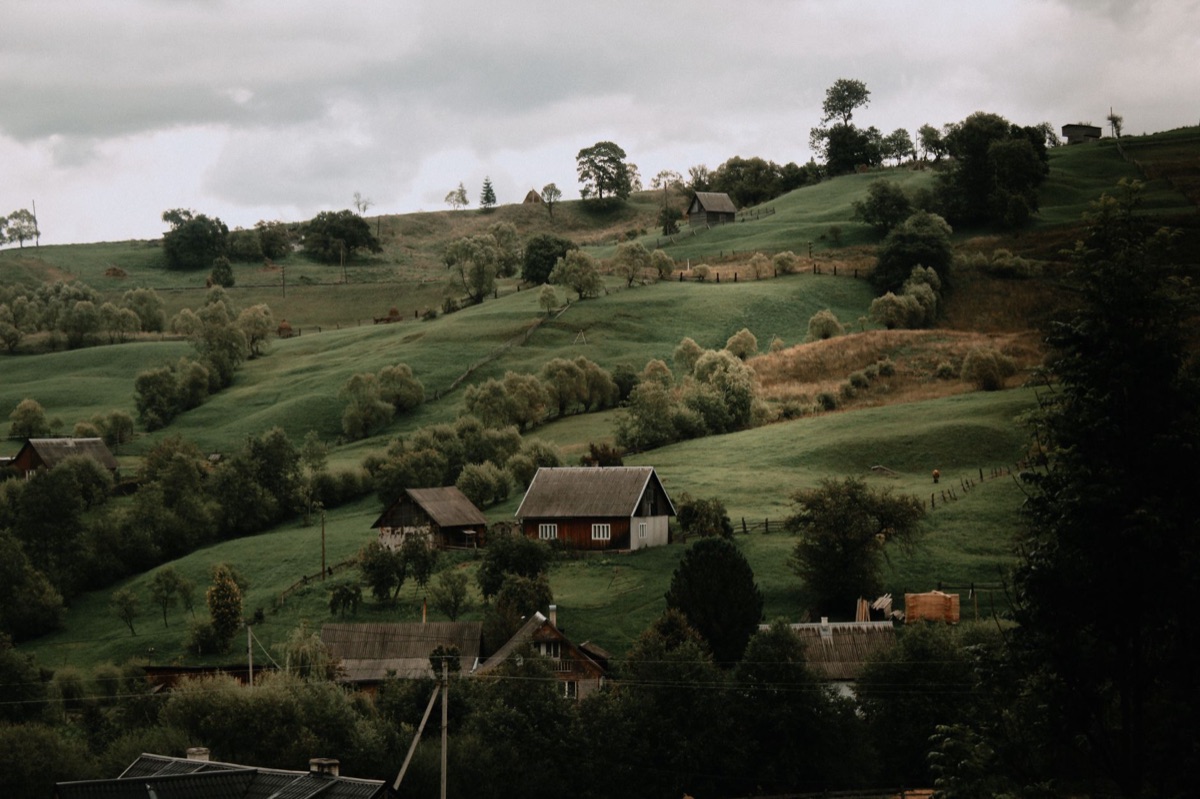
Why escape the city for the Cotswolds?
The morning sun hits the glass skyscrapers of the City of London, reflecting a sharp, modern light that makes you feel the sheer scale of this 2,000-year-old settlement.
You stand near the Thames, looking out at a city that has grown into a massive urban hub, often feeling the heat of the "urban heat island" where the center can be significantly warmer than the surrounding outskirts.
The transition from London to the Cotswolds is a sensory reset. While London is a sprawling metropolis, the Cotswolds is a sprawling landscape of rolling hills and limestone villages. It offers a glimpse into a pastoral England that feels worlds away from the busy streets of Westminster or Soho.
Because London is a massive, high-density city, the desire to find open space is natural. Even though London is recognized as one of the world's greenest cities—boasting over 40% green space or open water—the Cotswolds offers a different kind of greenery: wild, agricultural, and ancient.
The contrast is the primary draw. You move from the high-energy atmosphere of a global capital to a place where time seems to have slowed down. It is the perfect way to experience the "English countryside" without needing a week-long sabbatical.
But how do you actually get there without losing your mind in the logistics?
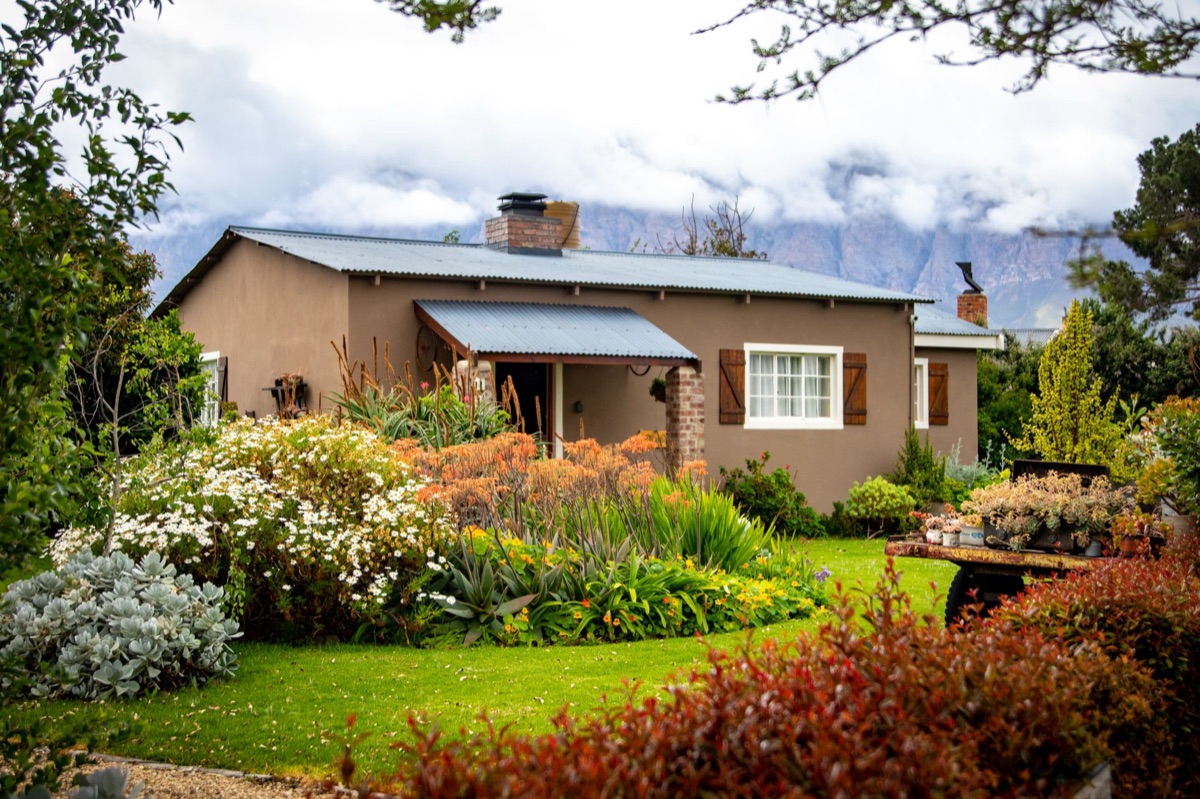
Tour vs. Independent Travel: How should you plan?
You sit in a crowded coffee shop in King's Cross, staring at a map of the rail lines and wondering if you should just book a bus tour instead. The steam from your latte rises as you weigh the pros and cons of your freedom versus your comfort.
Deciding how to get there is the most important logistical hurdle of your trip.
Option A: The Guided Tour Most tours depart from Victoria Coach Station or various central London hubs in the early morning. * Pros: You don't have to worry about navigation, driver fatigue, or missing a connection.
Most tours include a guide who explains the history of the stone masonry and local folklore. * Cons: You are on a strict schedule. If you fall in love with a specific garden, you might not have the luxury of staying longer.
Option B: Self-Guided Journey This involves taking a train from London Paddington or Marylebone to a gateway town like Moreton-in-Marsh or Oxford, then using local buses or a rental car. * Pros: Total autonomy.
You can linger in a tea room for two hours or take a long walk through a meadow without checking your watch. * Cons: It requires much more planning. Public transport in rural England can be infrequent, and navigating narrow country lanes in a rental car requires confidence.
The Decision Point If you have limited time and want a "greatest hits" version of the Cotswolds with zero stress, book a tour. If you want to wander aimlessly through sheep pastures and local markets at your own pace, go independent.
However, once you arrive, you face a whole new set of choices.
Which villages should I visit? The morning mist clings to the ground as you walk through a narrow lane, the sound of your footsteps echoing against walls made of warm, honey-colored Cotswold stone. You realize that every village looks slightly different, yet they all share a sense of timelessness.
To make a day trip worthwhile, you should focus on a specific cluster of villages to avoid spending your entire day in a car or on a bus.
| Village Type | Example | Best For |
|---|---|---|
| The "Venice of the Cotswolds" | Bourton-on-the-Water | Iconic river views and quintessential charm. |
| The Market Town | Chipping Campden | Historic architecture and high-end shopping. |
| The Quiet Retreat | Castle Combe | Dramatic, scenic beauty and photography. |
Must-See Spots * Bourton-on-the-Water: Famous for the low bridges crossing the River Windrush. It is highly popular, so arrive early to beat the crowds. * Chipping Campden: A wonderful example of a traditional market town with beautiful arts and crafts heritage.
* Bibury: Home to Arlington Row, a stunning line of 14th-century weavers' cottages that look like a movie set.
Local Cultural Immersion Don't just look at the buildings; taste the culture. A classic English pub lunch—perhaps a savory pie or locally sourced sausages—is a staple of the region. For a more elegant experience, seek out a local tea room for a traditional afternoon tea service.
But how do you fit all of this into a single day without feeling rushed?
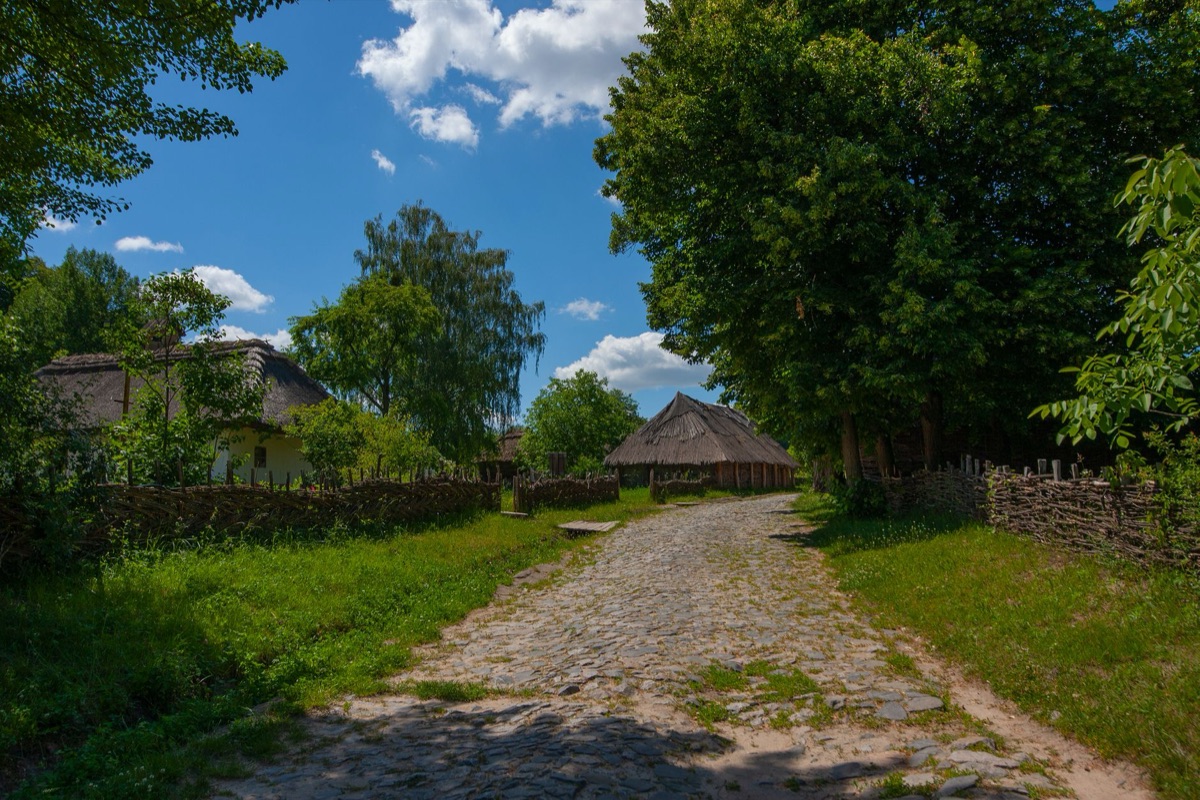
How can I master my day trip schedule? You check your watch at 7:00 AM; the station is quiet, and the air is crisp. You know that to make this work, you need to be moving before the rest of the city has even finished breakfast.
A successful day trip requires a structured flow to prevent "travel fatigue."
The Essential Planning Checklist 1. Book your transport: If taking a train, book in advance to save money. If taking a tour, secure your seat weeks ahead. 2. Check the weather: Even in July 2026, the weather can be unpredictable. Pack layers. 3.
Download offline maps: If you are driving or using local buses, signal can be spotty in the valleys.
Suggested Itinerary Structure * 07:30 – 09:30: Depart London and travel to the Cotswolds. * 10:00 – 13:00: First village exploration and light walking. * 13:00 – 14:30: Hearty pub lunch. * 14:30 – 17:00: Second village visit or a scenic walk.
* 17:30 – 19:30: Return journey to London.
The Depth vs. Distance Trade-off A common mistake is trying to see five villages in one day. You will spend more time in transit than actually seeing anything. It is better to see two villages deeply than five villages through a car window.
But there are practical realities you must face once you hit the road.
Essential visitor information
You stand at a bus stop in a small village, looking at a paper timetable that seems to belong to a different century. You realize that "rural" means things don't always run on a minute-by-minute basis.
Local Transport Tips If you are traveling independently, remember that many Cotswold villages are not directly connected by frequent rail. You will often need to use local bus services or taxis.
If you choose to rent a car, be prepared for very narrow roads designed for horse-drawn carriages, not modern SUVs.
Maximizing Efficiency To ensure a rewarding return to London, always keep your return travel time in mind. If you are relying on a specific train, do not linger too late in a remote village.
A Note on Seasonality While the Cotswolds are beautiful year-round, the weather can be unpredictable. In July 2026, London's average high might hit 23.5 °C (74.3 °F), but the countryside can feel cooler due to the elevation and wind. Always carry a light waterproof jacket.
When I first attempted this trip in the summer of 2025, I learned the hard way that a single missed bus can derail an entire itinerary. I spent two hours waiting in a field of wildflowers before a local driver kindly offered me a lift. It was beautiful, but it taught me that timing is everything.






Comments 0