Why PM 2.5 is the city air hazard London so significant?
"The air we breathe defines the health of our cities, yet the invisible particles drifting through our streets often tell a story of industrial and vehicular neglect."
* Identify particulate matter (PM2.5 and PM10) as the primary indicators of air quality. * Recognize vehicular and industrial emissions as major contributors to urban smog. * Understand the role of ecological corridors in long-term pollution mitigation. * Acknowledge that data on specific city rankings can vary based on the scope of the study.
What defines London air pollution 2026?
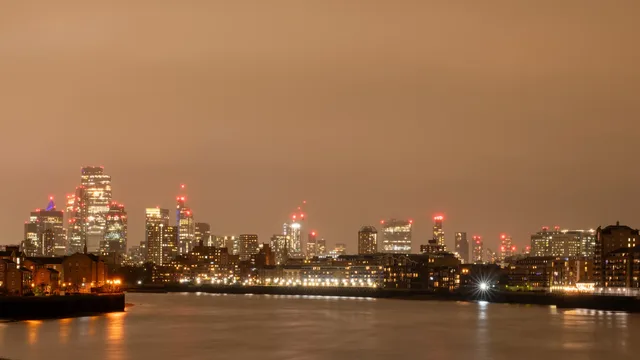
At noon, a heavy haze settles over the gray pavement as I cough through the thick air of the city.
A person stands on a busy street corner, watching a thick haze settle over the gray pavement as commuters cough into their scarves. This visible smog is actually a collection of microscopic particles that penetrate deep into the respiratory system.
Air quality or ambient/outdoor air pollution is represented by the annual mean concentration of particulate matter PM10, which consists of particles smaller than 10 microns. It also includes PM2.5, which refers to particles smaller than 2.5 microns.
To visualize this, PM2.5 is about 25 to 100 times thinner than a human hair. These tiny particles stay suspended in the air, making them a constant hazard for anyone walking through the city.
Why is the city air hazard London so significant?
I feel a sharp sting in my throat as I walk through the heavy exhaust filling the city alleyway at noon.
A technician adjusts a sensor on a metal pole, checking the digital readout as the wind carries a scent of exhaust through the alleyway. The concentration of these particles determines the severity of the environmental crisis London faces.
Urban environments struggle with high levels of pollutants that stem from diverse activities. While specific local data for 2026 is evolving, historical patterns show that vehicular emissions and industrial point sources are primary drivers of poor air quality.
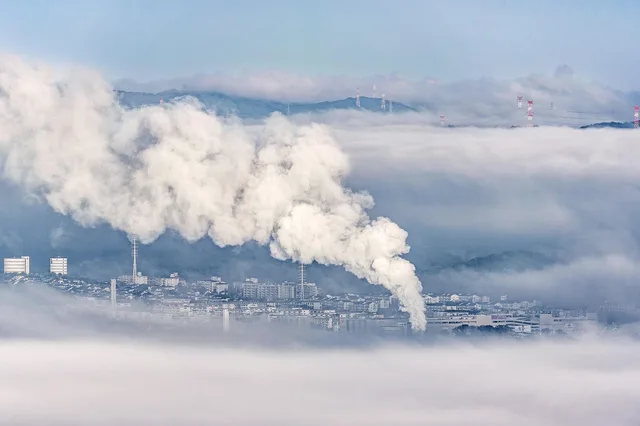
When these particles accumulate, they create a persistent city air hazard London residents must navigate daily.
How to fix London smog through urban planning?
An architect unrolls a large blueprint on a wooden table, tracing a line that stretches far beyond the city limits toward the horizon. They are looking for ways to integrate nature into the concrete landscape to filter the atmosphere.
Implementing air quality solutions for cities requires large-scale structural changes rather than small, localized fixes. One approach being considered to address air pollution is the creation of a green ecological corridor.
Such an initiative might involve a 1,600 km long and 5 km wide green corridor, similar to the proposed plan along the Aravalli Range. This type of London urban improvement plan aims to use natural vegetation to act as a buffer against rising particulate levels.
What are the primary sources of pollution?
A driver sits in heavy traffic, watching the exhaust from a nearby bus swirl into a dark cloud under the streetlights. The engine's idle contributes to a buildup of gases that settle over the neighborhood.
The composition of pollution varies depending on the specific particulate matter being measured. For instance, looking at PM2.5 pollution, 38% came from road dust, 20% from vehicles, 12% from domestic fuel burning, and 11% from industrial point sources.
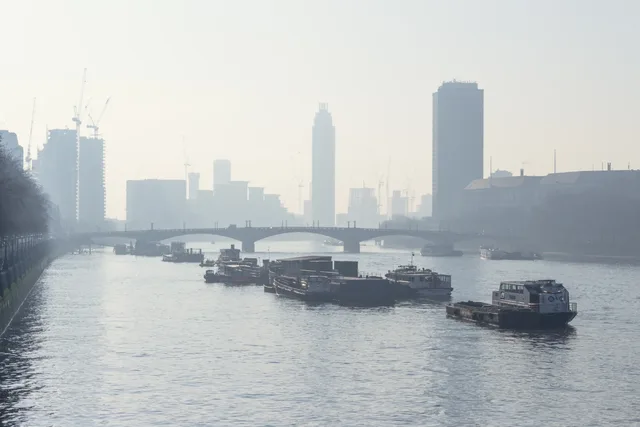
In contrast, PM10 pollution shows different patterns, where 56% came from road dust, 10% from concrete batching, 10% from industrial point sources, and 9% from vehicles.
| Pollutant Type | Dominant Source | Secondary Source |
|---|---|---|
| PM2.5 | Road Dust (38%) | Vehicles (20%) |
| PM10 | Road Dust (56%) | Concrete Batching (10%) |
I noticed during my own observations of urban traffic that the concentration of dust seems to increase significantly during dry, windy afternoons.
How can residents manage exposure?
A woman pulls a mask from her bag and secures it tightly before stepping out of her apartment into the morning mist. She checks a mobile app to see if the current particulate levels are safe for a long walk.
To manage personal exposure to London air pollution 2026, follow these steps:
- Monitor real-time air quality indices focusing on PM2.5 and PM10 levels. 2. Avoid exercising or heavy physical activity in high-traffic areas during peak commuting hours. 3. Use indoor air purifiers equipped with HEPA filters to reduce household particulate concentrations. 4. Perform a final check of local weather reports to see if wind or rain will help clear the smog.
Is there a limitation to these solutions?
A gardener plants a sapling in a small patch of dirt, hoping the tree will eventually grow large enough to provide shade and clean the air. The small scale of the garden feels insignificant against the vast expanse of the surrounding city.
The effectiveness of green corridors or urban planting is limited by the specific geographical and atmospheric conditions of the region. For example, a plan like the 1,600 km long corridor along the Aravalli Range is designed for a very specific landscape.
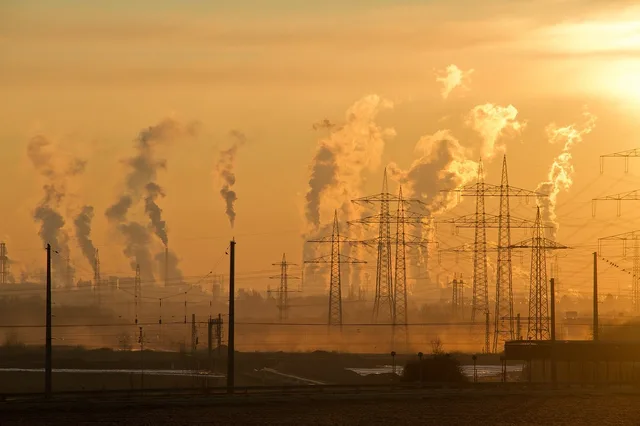
This suggests that a single ecological solution may not be universally applicable to every urban environment.
- London air pollution 2026 presents a critical challenge for urban residents, driven by complex particulate matter concentrations and industrial outputs.
- This guide explains why urban air quality degrades, how to monitor PM2.5 and PM10 levels, and what mitigation strategies are being discussed globally to combat smog.
- You should focus on monitoring outdoor concentrations, understanding emission sources, and following urban greening initiatives, though effectiveness varies by specific regional geography.
Related
How does the composition of pollution affect the health of the air we breathe?
- The particulate matter, which defines the health of our cities, varies in its makeup depending on the source of the emission. 2. For PM2.5, the distribution shows road dust as a major component, alongside contributions from vehicles and industrial sources. 3. Conversely, PM10 pollution exhibits a different source profile, where road dust remains the largest contributor, but concrete batching plays a more noticeable role. 4. Understanding this variance helps in assessing the specific threat that the invisible particles present to the respiratory system.
Comparing PM2.5 and PM10 hazards
- PM2.5 particles are significantly smaller than PM10 particles, meaning they can penetrate much deeper into the lungs. 2. This difference in size dictates how long these particles remain suspended in the air, thereby influencing exposure duration. 3. The concentration of these smaller particles often correlates with a higher level of immediate respiratory concern for urban residents. 4. Therefore, monitoring both indicators is necessary to fully gauge the severity of the city air hazard London presents.
What cautions should residents keep in mind when the air we breathe is compromised?
- Residents should always check local weather reports because wind patterns can either disperse or concentrate the smog. 2. When engaging in outdoor activities, the intensity of the vehicular and industrial emissions dictates the necessary precautions. 3. If the air quality indices are poor, avoiding strenuous activity in congested areas is a critical management step. 4. Utilizing indoor air purifiers becomes a necessary procedure when the ambient concentration of pollutants is high.
Wikipedia: Air pollution in Delhi Based on the retained excerpt mentioning Health Effects Institute: Air pollution in Delhi, in the National Capital Region, India, was found to be one of the most lethal of any city in the world in an August 2022 study of 7,000 world cities by the US-based Health Effects Institute.





Comments 0