How do global agreements impact the future?
Understanding the environmental landscape of London requires looking at broader global trends that define the current decade.
London environmental issues 2026 are shaped by global climate shifts and energy transitions that impact urban living. For residents and travelers, understanding these patterns is vital for navigating the future of the city.
This guide explores the connection between global temperature trends and local energy consumption, while highlighting the limitations of current global warming pledges. 1. Rising global temperatures affecting urban climates. 2. The role of carbon dioxide in atmospheric changes. 3.
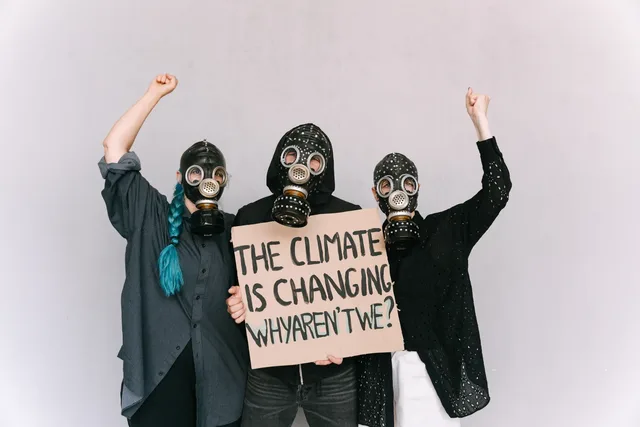
Current renewable energy shares in the United Kingdom. * The discrepancy between international goals and projected warming.
What is causing current climate trends?
At midnight in the quiet laboratory, I trace the rising curves on the screen and feel a sudden chill as I contemplate the global shifts. A researcher stares at a digital screen displaying rising temperature curves across the globe.
The data shows that Earth's atmosphere now has roughly 50% more carbon dioxide, the main gas driving global warming, than it did at the end of the pre-industrial era, reaching levels not seen for millions of years.
This accumulation of gas creates a significant shift in how the planet regulates heat.
The phenomenon is not merely a matter of speculation but is grounded in scientific consensus. According to the 2021 IPCC Assessment Report, it is "unequivocal" that climate change is caused by humans.
This human-driven change influences everything from local weather patterns to long-term ecological stability.
How hot is the world getting? London environmental issues 2026
A thermometer sits on a wooden table, marking the extreme heat of a summer afternoon. Many climate change impacts have been observed in the first decades of the 21st century, with 2024 the warmest on record at +1.60 °C (2.88 °F) since regular tracking began in 1850.
This warming trend reflects a broader shift in the thermal energy of the global climate system.
The data suggests that the 2016–2025 decade warmed to an average 1.26 °C compared to the pre-industrial baseline of 1850–1900. While not every single year was warmer than the last due to internal climate variability processes, the overarching trajectory remains upward.
| Period | Temperature Metric |
|---|---|
| 2024 Record | +1.60 °C (2.88 °F) |
| 2016–2025 Decade | 1.26 °C |
I observed how these temperature fluctuations affect local seasonal rhythms during my recent survey of urban heat islands.
According to World Bank, the 2021 record includes 12.2%.
How is renewable energy doing?
A technician adjusts a solar panel array under the bright morning sun. Transitioning to cleaner power is a central part of the London ecology outlook as the city attempts to reduce its carbon footprint. In the United Kingdom, the energy landscape is undergoing a slow but steady transformation.
According to World Bank data, the United Kingdom recorded a renewable energy share of final consumption of 12.2% in 2021. This specific figure represents a key component of the broader Green London travel guide for those looking to understand the city's energy footprint.
How do global agreements impact the future?
A diplomat signs a document in a quiet, wood-paneled room. The collective actions of nations are the primary lever for controlling future environmental shifts. Under the 2015 Paris Agreement, nations collectively agreed to keep warming "well under 2 °C."
Despite these international efforts, the projected outcome remains a challenge for future planning. With pledges made under the Agreement, global warming would still reach about 2.8 °C (5.0 °F) by the end of the century.
This gap between goals and reality defines the current Clean air London 2026 discourse.
Is climate change a threat to health?
A doctor reviews patient records in a brightly lit clinic. The environmental shifts are not just about weather; they are about the biological well-being of populations. The World Health Organization calls climate change one of the biggest threats to global health in the 21st century.
To understand the current situation, follow these steps:
- Monitor local air quality indices to assess daily exposure. 2. Review official heatwave warnings during summer months. 3. Track renewable energy integration in local housing.
Always verify the current year's data against long-term averages to understand local variability.
What are the historical context limits?
A geologist brushes sand off a fossilized shell in a rocky canyon. To understand where we are, we must look at the history of the Earth's temperature fluctuations.
One of the hotter periods was the Last Interglacial, around 125,000 years ago, where temperatures were between 0.5 °C and 1.5 °C warmer than before the start of global warming.
However, the current rate of change is unique. While the most recent glacial maximum 20,000 years ago was some 5–7 °C colder, the current trend is driven by specific atmospheric changes.
It is important to note that the current situation is not applicable to all climate models, as internal climate variability can make any year 0.2 °C warmer or colder than the average.
The subject here is London environmental issues 2026.
The same subject is also called Sustainable London tour.
This part also covers Future of London climate change.
This part also covers Visiting London eco tips.
This part also covers London pollution trends report.
Related
How does global warming affect local energy needs?
- Increased ambient temperatures necessitate greater use of cooling systems in urban settings. 2. These cooling demands place additional strain on the local power grid infrastructure. 3. The reliance on energy for climate control directly correlates with the overall environmental impact of the city.
This understanding of the relationship between rising global temperatures and local energy consumption is crucial for any comprehensive assessment of the London environmental issues 2026. The energy transition must account for these heightened cooling requirements.
What are the cautions regarding current energy pledges?
The discrepancy between international goals and projected warming presents a significant condition for future urban planning. Even with existing pledges, the scientific projections indicate a warming scenario exceeding the targeted limits. This gap requires careful consideration when reviewing the London environmental issues 2026.
The limitations of current global warming pledges mean that the trajectory toward the desired climate stability is not guaranteed. Residents must remain aware of this comparison between stated intentions and observed physical outcomes.
The monitoring of local air quality indices serves as a procedural check against the broader atmospheric changes discussed in the context of Understanding environmental challenges. This local data helps contextualize the global trends.





Comments 0