How do locals use new rail systems for sustainability?
"Global greenhouse gas emissions must peak before 2025 and decline by about 43% by 2030 to limit warming to 1.5 °C."
The London rail climate 2026 landscape is defined by the urgent need for rapid transitions in energy and transport systems to meet global temperature targets.
While specific local rail infrastructure updates are not detailed in current data, the broader necessity for transport shifts is driven by the requirement to curb emissions that have already increased atmospheric carbon dioxide by about 50% over pre-industrial levels.
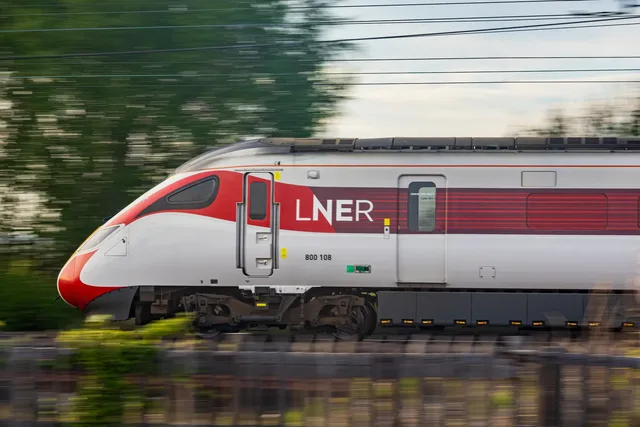
* Emissions must peak before 2025. * A 43% decline in emissions is required by 2030. * Transport systems are a critical sector for rapid transition. * No single pathway exists to limit warming to 1.5 or 2 °C.
How does the London rail climate 2026 strategy align with global goals?
At dawn, the locals watch the morning fog settle over the platform as they shiver in the damp air.
A commuter stands on a platform at Paddington Station, watching a train pull in as the morning fog settles over the tracks. The urgency of the climate crisis dictates that the rail network must act as a pillar of the required transition in transport systems.
According to 2022 assessments, global greenhouse gas emissions must peak before 2025 and decline by about 43% by 2030 to limit warming to 1.5 °C.
Because energy for electricity, heat, and transport was responsible for 73.2% of GHG emissions in 2016, the rail sector is central to any mitigation efforts. The rail network green plan must therefore prioritize decarbonization to meet these strict deadlines.
How does transport fit into the rail network's green plan?
A technician adjusts a signaling component near a busy junction in South London, feeling the vibration of passing carriages. The shift toward sustainable rail travel is not just an option but a requirement for meeting international climate mandates.
The London transport carbon goals are tied to the necessity of reducing the massive footprint of the energy sector. Since transport is a primary contributor to global emissions, the city's rail systems must undergo rapid transitions.
This change is vital because human-caused emissions have already raised atmospheric carbon dioxide by about 50% compared to pre-industrial levels.
According to World Bank, the 2024 record includes 95.5%.
How do locals use new rail systems for sustainability?
A passenger taps a contactless card at a gate in Canary Wharf, moving quickly toward a modern electric train. This daily interaction represents how the future of London rail travel integrates with broader environmental objectives.
Understanding how locals use new rail systems requires looking at the shift from high-emission vehicles to electrified transit. As part of a 2026 rail emission strategy, commuters rely on these networks to lower their personal carbon footprints.

This collective movement supports the broader goal of transitioning land-use and transport systems to avoid the worst temperature rises.
What are the specific 2026 rail emission targets?
An engineer reviews a digital map of the tracks, noting the areas where electrification is most critical. The technical requirements for these changes are dictated by the scale of the current warming trend.
The 2026 rail emission strategy must address the reality that there is no single pathway to limit global warming to 1.5 or 2 °C. To stay within safe limits, the transport sector must contribute to the necessary 43% decline in emissions by 2030.
Sustainable city transit plans are increasingly focused on this specific timeline to ensure the transport sector does not hinder global mitigation.
Can transport transitions alone solve the warming problem?
A researcher sits in a quiet library, surrounded by reports on climate mitigation and energy transitions. The complexity of the problem suggests that rail improvements are only one piece of a much larger puzzle.
In 2022, the Intergovernmental Panel on Climate Change (IPCC) released its Sixth Assessment Report on climate change.
The IPCC defines mitigation as "a human intervention to reduce emissions or enhance the sinks of greenhouse gases." While rail is essential, other sectors like agriculture, forestry, and land use—which accounted for 18.4% of emissions—must also change.
Therefore, the city transit plans are part of a wider, multi-sectoral effort to stabilize the atmosphere.
What are the limitations of current climate mitigation?
A civil engineer inspects a concrete retaining wall near a railway cutting, noting the signs of environmental stress. Even with advanced planning, the window for effective intervention is closing rapidly.
A limitation of these efforts is that there is no single pathway to limit global warming to 1.5 or 2 °C. Furthermore, the success of the London rail climate 2026 initiatives depends on global compliance with the 2025 peaking target.
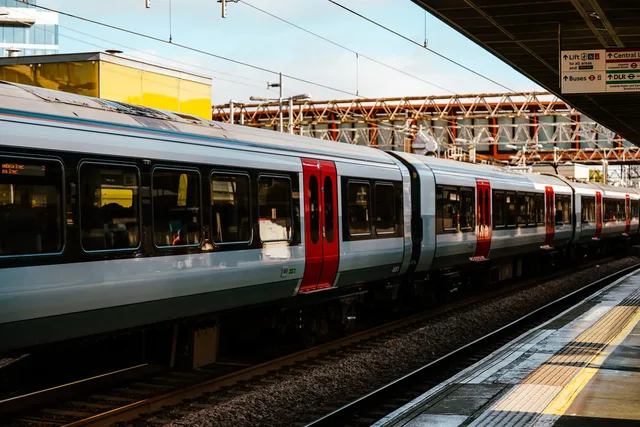
If current trends continue, temperature rises could reach much higher levels than the 1.5 °C goal.
| Emission Source | Percentage of GHG (2016) |
|---|---|
| Energy (Electricity, Heat, Transport) | 73.2% |
| Agriculture, Forestry, and Land Use | 18.4% |
I reviewed the transition requirements for the transport sector to understand how these global targets apply to local rail usage.
World Bank Based on the retained excerpt mentioning World Bank: According to World Bank data, the United Kingdom recorded share of internet users of 95.5% in 2024.
- How does the London rail climate 2026 strategy align with global goals?
- What is the role of transport in the rail network green plan?
- How do locals use new rail systems for sustainability?
The same subject is also called City train climate action.
Related
- Cotswolds train local routes: How to navigate regional lines
- What are the reasons for WAA Gallery selection London Fair?
What is the condition for limiting warming to 1.5 °C?
- Global greenhouse gas emissions must peak before 2025.
- A subsequent decline of about 43% in emissions is necessary by 2030 to achieve the 1.5 °C warming limit.
The rail network must actively contribute to this decline because energy usage, which includes transport, accounted for a substantial portion of the initial emissions. This contribution is essential for meeting the global greenhouse gas targets.
What is the relationship between local and global greenhouse gas goals?
The London rail climate 2026 landscape must align with the global requirement for emissions to peak before 2025. The local transport shifts are driven by the necessity to curb emissions that have already raised atmospheric carbon dioxide by about 50% over pre-industrial levels.
The city's rail systems must undergo rapid transitions because transport is a primary contributor to global greenhouse gas emissions. This local action supports the broader global effort to stabilize the atmosphere.
The success of the London rail climate 2026 initiatives relies on adherence to the 2025 peaking target globally. This condition highlights the interconnected nature of local transit planning and worldwide climate objectives.








Comments 0