Cotswolds Day Trip: Train vs. Tour Guide Comparison
"The difference between a planned itinerary and a wandering soul is often just a single train ticket."
Deciding between a structured tour and an independent rail journey determines whether you spend your day chasing a schedule or chasing a feeling. This choice impacts your wallet, your energy levels, and how deeply you connect with the English countryside.
* Control vs. Convenience: Weigh the freedom of setting your own pace against the effortless ease of a curated group itinerary. * Time vs. Stress: Assess whether you prefer spending time on logistics or spending time in local pubs. * Budget Realities: Compare the low upfront cost of rail travel against the all-inclusive value of a guided tour.

Why choose your journey wisely: Train vs. tour pros and cons?
The morning sun hits the platform at London Paddington, and you stand there with a heavy backpack, staring at a printed rail map. You have two paths: you can follow a guide through the winding lanes in a minibus, or you can navigate the rail network to find your own way.
According to World Bank data, the world recorded high-technology share of manufactured exports of 24.7% in 2024.
Choosing between a train journey and a guided tour is essentially a choice between autonomy and ease. A self-guided train trip offers maximum control over your pacing, allowing you to linger in a specific village for hours or change your plans on a whim.
However, it requires significant advance planning regarding local bus connections or taxi availability once you arrive at a rural station. In 2025, many travelers found that local bus schedules in the Cotswolds could be sparse, often leaving gaps of 60 to 90 minutes between services.
In contrast, a guided tour provides doorstep-to-doorstep simplicity. These tours are designed to minimize logistical headaches, often handling all transport and timing. They also offer deep local knowledge that a solo traveler might miss.
When looking at the cost breakdown, you must look beyond the initial price tag. A train ticket might be cheaper upfront, but you must factor in the cost of local taxis or buses to get from the station to the actual villages.
For example, a single taxi ride from Moreton-in-Marsh to a remote village could cost between £25 and £40.
A bundled tour price often includes transport, a guide, and sometimes even lunch, making the total value clearer from the start. Pacing is the ultimate trade-off. If you want to spend three hours in a quiet Cotswold pub reading a book, a tour might feel too rushed.
If you want to see five different villages in one day without worrying about a bus schedule, a tour is your best friend.
But what happens when you actually hit the ground in the countryside?
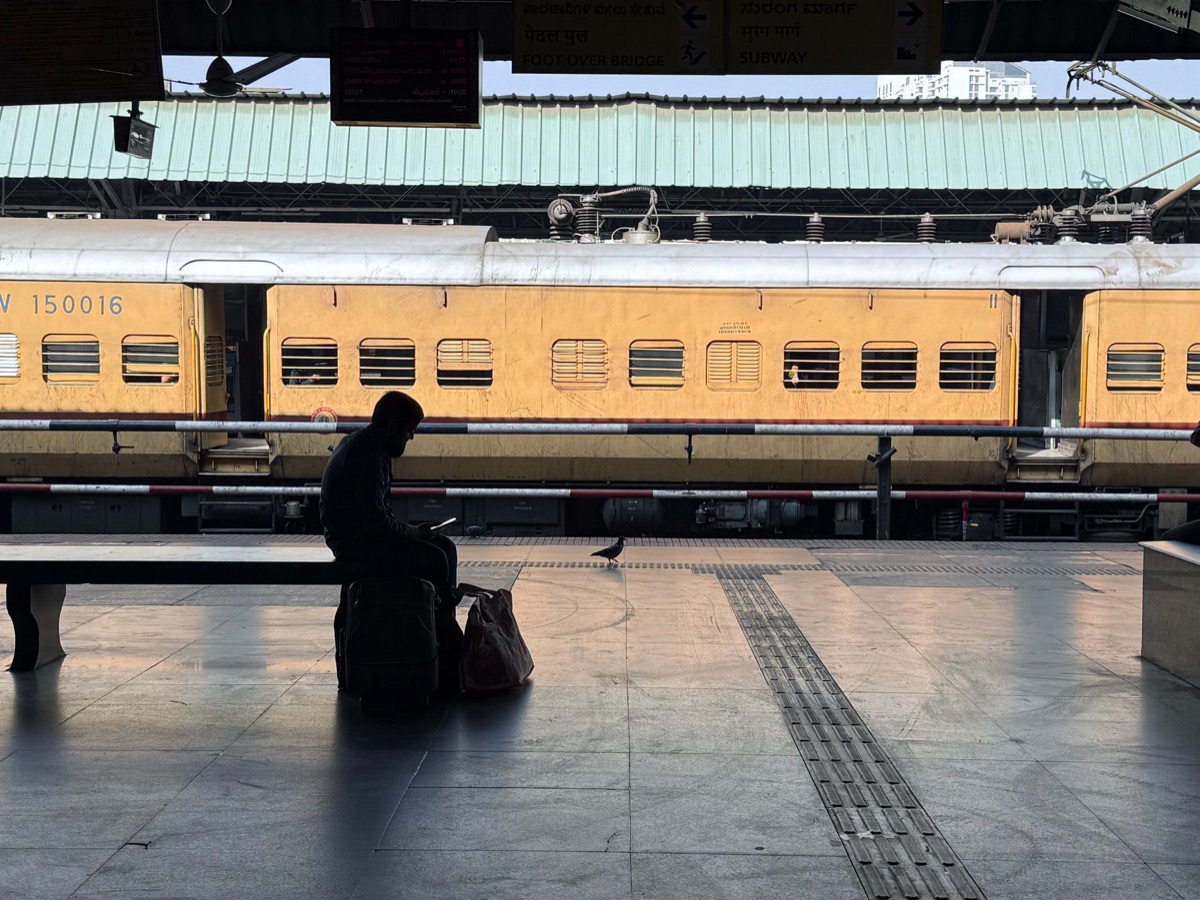
Is the freedom of train travel worth the effort? I remember standing in the middle of Bourton-on-the-Water in the summer of 2025, watching the water flow under the low stone bridges, knowing I didn't have to check my watch to see if a group of forty people was coming to interrupt my peace. That is the essence of the rail traveler's spirit.
The logistics of a train journey usually begin at London Paddington or London Marylebone. From there, you might take a direct line to Oxford or Moreton-in-Marsh. Once you arrive at a hub like Moreton-in-Marsh, the real work begins.
You will likely need to rely on local bus routes or pre-booked taxis to reach the more tucked-away villages like Stow-on-the-Wold or Chipping Campden. In 2026, travelers are increasingly using smartphone apps to track these local connections in real-time.
The pros of independence are significant. You have the ability to stop spontaneously. If you find a charming antique shop in a small town, you can stay as long as you like. You also control your own dining and rest stops, avoiding the "group lunch" schedules that often dictate tour itineraries.
Planning is essential to make this work. You should book your long-distance rail tickets in advance to secure better rates and check local bus timetables via apps like Traveline. Timing your arrival to maximize daylight is crucial, as rural areas can get dark and quiet very quickly.
The train journey itself becomes part of the British travel experience. Watching the landscape transition from the urban sprawl of London to the pastoral beauty of the countryside through a large carriage window is a meditative way to start a day of exploration.
However, there is a hidden complexity to the rails that many travelers overlook until they are standing on a quiet platform.
Is a seamless tour experience worth the price? The minibus pulls up to a stone cottage, and a guide steps out, gesturing toward a narrow lane that disappears into a canopy of green. You step out, your only responsibility being to follow the group and enjoy the view.
The all-inclusive appeal of a guided tour is hard to deny. Typically, these tours cover transport from a central London meeting point, a curated list of scenic stops, and a professional guide. It is a "plug-and-play" way to see the countryside.
Efficiency often outweighs flexibility in a tour setting. If you have limited time or if the weather turns gray and drizzly, a tour is often superior. The driver handles the navigation through narrow, winding lanes that a train or a local bus might never reach.
This allows you to access "hidden gems"—smaller, harder-to-reach hamlets that are often bypassed by public transport. In a single day, a tour might hit four locations that would take a train traveler two days to navigate.
However, group dynamics are a factor to consider. You will be traveling with strangers, which can be a wonderful way to meet people but can also mean you must adhere to a group consensus. If you are a solitary traveler, the social aspect might feel draining.
| Feature | Train/Self-Guided | Guided Tour |
|---|---|---|
| Control | High: You set the pace. | Low: The itinerary is set. |
| Cost | Variable: Low base, but high local transport costs. | Fixed: Usually higher upfront, but all-inclusive. |
| Access | Limited to rail-connected hubs. | High: Can reach remote villages. |
| Effort | High: Requires constant planning. | Low: Just show up and go. |
But how do you actually execute the perfect day once you arrive?
How to plan your perfect Cotswold day
A single morning in a Cotswold village, sitting on a stone wall with a warm pastry in hand, can feel more meaningful than a dozen rushed sightseeing stops. To make this happen, you need a tactical approach.
If you are opting for the independent route, follow this checklist to ensure you aren't left stranded:
- Secure your rail tickets: Book your London-to-hub tickets at least two weeks in advance to secure the best rates.
- Map your "last mile": Once you arrive at your rail hub, identify the exact bus number or taxi service that connects you to your target village.
- ly
- Check the daylight window: In winter months, aim to arrive by 9:00 AM to ensure you have at least 7 hours of usable light.
- Verify local amenities: Ensure your destination has a pharmacy or a small shop if you plan to stay there for the full day.
- Download offline maps: Do not rely on cellular data in the deep valleys of the Cotswolds; download your maps before you leave London.
To make the most of your day, you must match your activity to your transport. If your goal is deep history or a deep dive into a specific museum, a train-based trip to a larger town like Cirencester or Chipping Campden is better.
If your goal is a scenic drive through rolling hills and photography, a tour is much more efficient. Integrating the "Local DNA" is what turns a trip into a memory. This means planning for a proper afternoon tea in a boutique hotel or a hearty pub lunch in a gastropub.
Time management is also key. A day trip from London is a whirlwind. If you want to truly experience the Cotswolds, consider an extended weekend visit. A weekend allows you to stay overnight in a local inn, giving you access to the villages in the quiet hours before the day-trippers arrive.
But how do you know which category you fall into?
Quick decision matrix: Who is this for?
The decision often comes down to your personality type and your specific travel goals for this leg of your journey.
* The Planner: If you love researching routes, checking train schedules, and want deep control over every minute of your day, choose the Train. * The Relaxer: If you want the destination experience without the planning burden—just wanting to see the sights and return to London without a headache—choose the Tour. * the Budgeter: If you are looking for the absolute lowest cost, the Train is often cheaper, provided you are willing to walk or use local buses. However, if you factor in expensive taxis to reach remote villages, a Tour might actually be more cost-effective.






Comments 0