What drives London research power in the global arena?
"The pursuit of social science excellence requires not just intellectual depth, but the structural foundation of world-class institutions."
London serves as a premier global hub for social science education and research through its concentration of specialized academic institutions. This analysis explores the academic infrastructure, competitive landscape, and institutional developments that define the London social science hub.
Key takeaways: * The London social science hub features significant investments in specialized research libraries and modern facilities. * Competitive admission rates and international student diversity characterize the academic environment.

* Research excellence is bolstered by specialized institutes and global think tank rankings.
How does the infrastructure support the London social science hub?
A student walks through the doors of the Lionel Robbins Building, where the scent of old paper meets modern climate control. The British Library of Political and Economic Science provides the intellectual backbone for much of the city's social science research.
The British Library of Political and Economic Science serves as the main library for the university and stands as one of the world's largest libraries dedicated to economic and social sciences.
This facility houses essential resources for researchers focusing on global policy and socioeconomic trends.
The library's physical presence has evolved through significant renovation efforts. For instance, the building reopened in 2001 following a two-year renovation by Foster and Partners.
This modernization ensures that the academic community has access to contemporary research tools alongside historical archives.
The building hosts the School of Public Policy, the Departments of Government and International Relations, the European Institute, and the International Inequalities Institute. These departments work within a shared space to foster interdisciplinary dialogue.
What defines the competitive nature of London academia global?
An applicant reviews an acceptance letter, knowing the difficulty of securing a seat in such a prestigious program. The competitive environment is a hallmark of the region's higher learning.
The academic landscape is characterized by highly selective admission processes. In 2023, the university gave offers of admission to roughly 26% of its undergraduate applicants, which represents one of the lowest offer rates across the UK.
Postgraduate studies offer even tighter competition for prospective scholars. For example, the MSc Economic Policy for International Development had an intake to applications ratio of only 3.46% in 2024.
The diversity of the student body adds to the academic rigor. In the 2023/24 academic year, 8,225 students came from outside the United Kingdom, accounting for 64% of the total student body.
According to World Bank, the 2025 record includes 1.4%.
How does the institution maintain Top UK social studies standards?
A researcher sits at a desk in the Centre Building, looking out at the historic architecture across the street. Maintaining high standards requires both physical space and intellectual prestige.
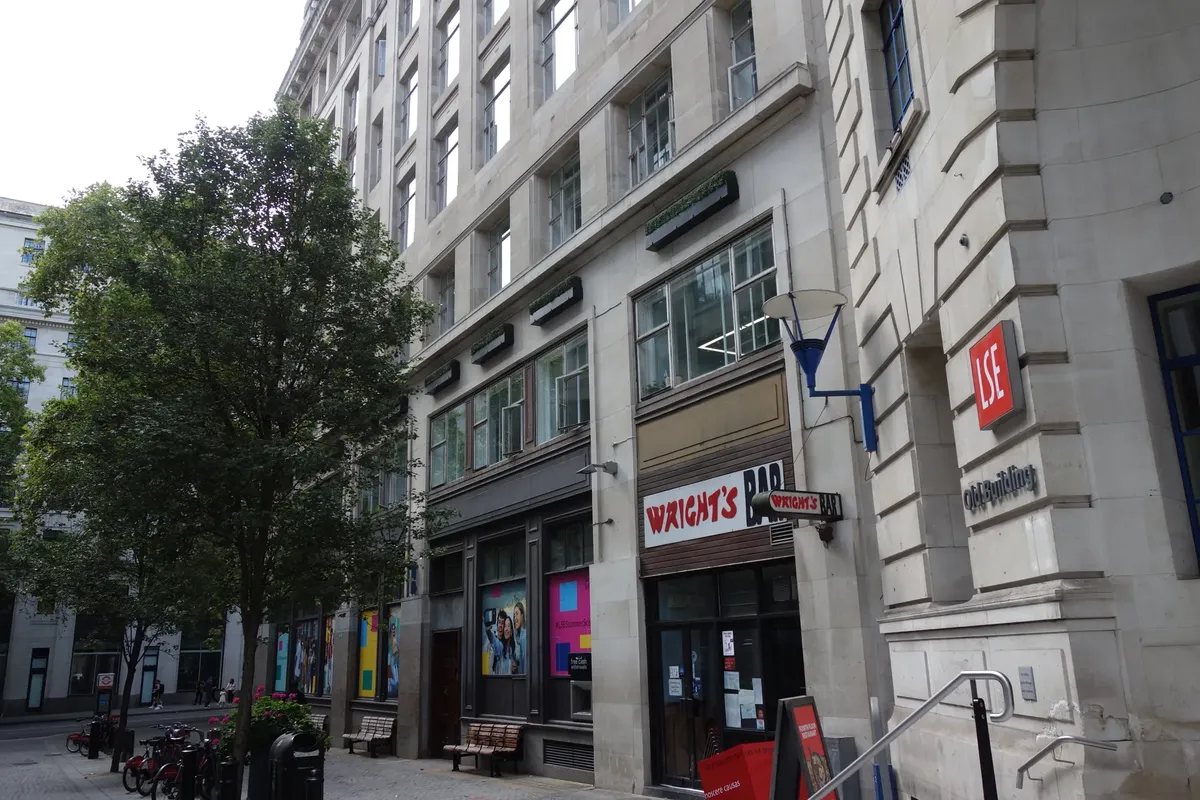
According to the Articles of Association, the updated Articles of Association formally constituting the school as a university were approved by LSE council 5 July 2022.
The institution has undergone formal transitions to solidify its academic standing.
Approval of university title was received from the Office for Students in May 2022, and updated Articles of Association formally constituting the school as a university were approved by the LSE council on 5 July 2022.
The facility expansion also supports specialized departments. The Centre Building, situated opposite the British Library of Political and Economic Science, opened in June 2019.
The building houses the Departments of Management, Accounting, and Finance, sports facilities, and the Marshall Institute for Philanthropy and Social Entrepreneurship. This space was designed by Grafton Architects and named after British investor Paul Marshall.
What drives London research power in the global arena?
A policy analyst compares data sets to prepare a briefing for an international summit. The ability to influence global thought is a direct result of concentrated research efforts.
The institution has historically held a high position in global rankings.
In 2015, it was jointly ranked as the world's second-best university think tank for the third year running alongside the LSE Public Policy Group, following Harvard University's Belfer Center for Science and International Affairs.
The library's collection is vast and specialized. The Shaw Library, housed in the Founders' Room in the Old Building, contains the school's collection of fiction and general readings.
Research depth is further enhanced by access to broader networks. LSE staff and some students are permitted to access and borrow items from Senate House Library, the SOAS Library, and select institutions through the SCONUL Access scheme.
How does Higher learning London accommodate diverse research needs?
A group of researchers gathers in a modern conference room to discuss international inequality. The ability to house various specialized institutes is crucial for a global research hub.
The physical environment is designed to facilitate different types of inquiry.
Infrastructure projects have also focused on specialized departments. This process began with the £35 million renovation of the British Library of Political and Economic Science by Foster and Partners.
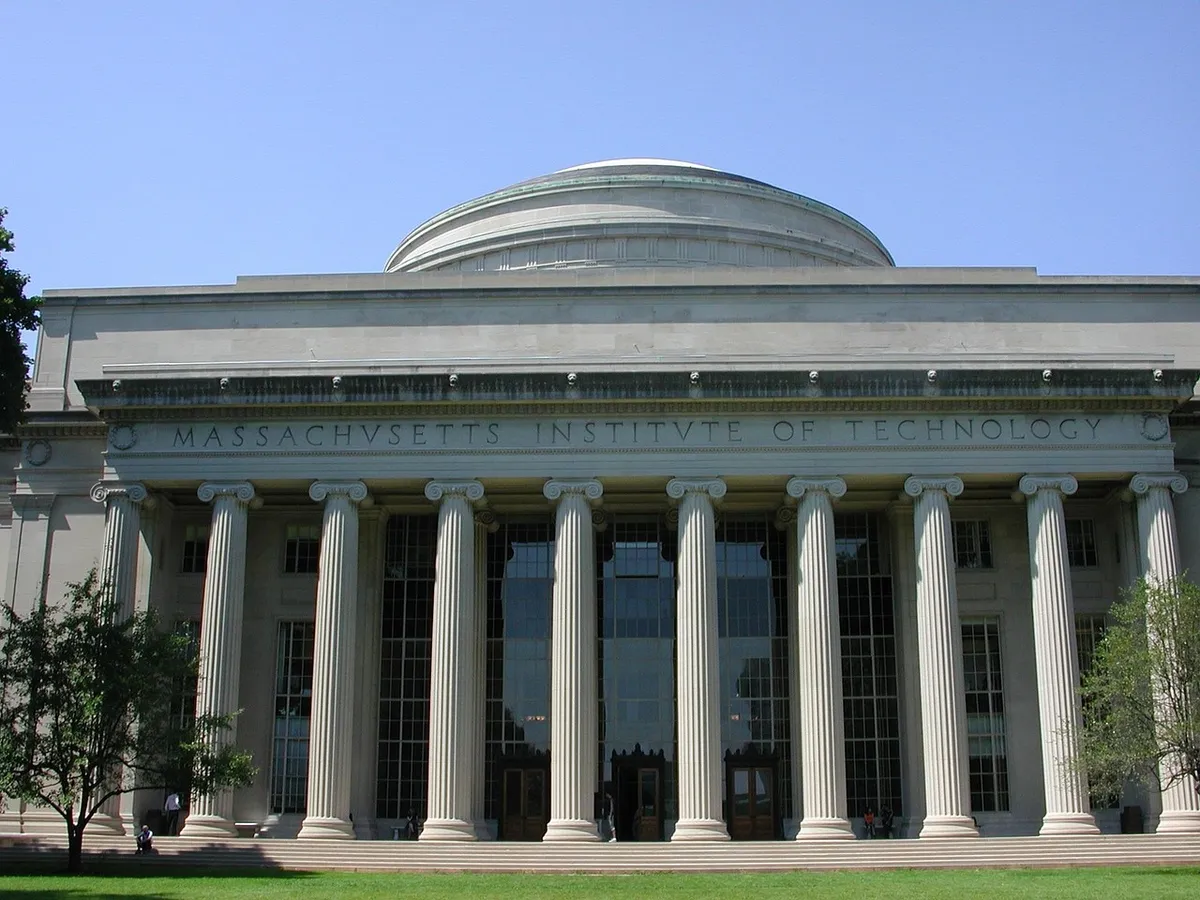
The academic environment remains highly selective. The intake to applications ratio for postgraduate degree programmes is very competitive, such as the 3.46% ratio seen in the 2024 MSc Economic Policy for International Development.
World Bank Based on the retained excerpt mentioning World Bank: According to World Bank data, the United Kingdom recorded GDP growth of 1.4% in 2025.
- How does the infrastructure support the London social science hub?
- What defines the competitive nature of London academia global?
- How does the institution maintain Top UK social studies standards?
This part also covers Leading London universities.
This part also covers Global social science trends.
This part also covers Urban research excellence.
Leading London universities
Related







Comments 0