Planning Your Cotswolds Trip: Day Trips vs. Deeper Immersion
"The golden stone of the Cotswolds looks best when you aren't rushing to catch a train."
If you are staring at a map of England wondering whether to squeeze the Cotswolds into a single day from London or commit to an overnight stay, you are already facing the most important decision of your trip.
The choice between a whirlwind snapshot and a slow immersion will dictate whether you actually feel the magic of the English countryside or just end up tired and frustrated in a rental car.
Key Takeaways * Deciding between a day trip and an extended stay depends entirely on your tolerance for travel time versus your desire for depth. * While trains can get you to the edge of the region, a rental car is the only way to reach the most authentic, tucked-away villages.
* Success in the Cotswolds requires booking dinner reservations in advance and packing for unpredictable weather.

Should you go for a day or stay the night?
I remember standing at Paddington Station at 7:30 AM, clutching a lukewarm coffee and looking at a list of five different villages I wanted to hit before returning to London by 8:00 PM.
In my hand, a crumpled paper itinerary felt like a heavy weight as the morning fog pressed against the station windows.
By 2:00 PM, as I sat in a quiet corner of a tea room in Chipping Campden, I realized I had spent more time looking at road signs and train schedules than at the honey-colored stone cottages. The sheer exhaustion of trying to "see it all" had robbed me of the very peace I traveled 120 miles to find.
A day trip from London is technically feasible, but it is often a race against the clock. You can take a train from London Paddington to Moreton-in-Marsh in about 90 minutes, which serves as a great gateway. However, once you arrive at the station, you are only at the doorstep of the region.
The real charm lies in the narrow lanes between the villages, which are not easily accessible by public transit.
Staying overnight is the superior choice for those who want to experience the "local" side of life. When you stay in a boutique inn or a converted barn, you aren't just visiting; you are part of the rhythm.
You can enjoy a quiet morning walk through the Slaughters before the tour buses arrive from London, or sit in a pub long after the day-trippers have headed back to the city.
| Feature | Day Trip from London | Extended Stay (2+ Nights) |
|---|---|---|
| Travel Time | High (3+ hours round trip) | Low (once you arrive) |
| Flexibility | Limited by train/bus schedules | High; can explore remote areas |
| Cost | Lower (no lodging fees) | Higher (requires accommodation) |
| Experience | A "highlight reel" of sights | Deep immersion and relaxation |
Choosing your route is the next hurdle to clear once you decide how long you will stay.

How to actually get around once you arrive
The sun was barely over the horizon when I first attempted to navigate a narrow lane in Northleach, feeling the squeeze of the stone walls against the side of my rental car.
I had to pull into a small gravel turnout, heart racing slightly, as a local farmer in a muddy Land Rover approached from the opposite direction.
If you are traveling in a group or want total freedom, renting a car is almost essential. The most beautiful spots, like Upper and Lower Slaughter or Bibury, are spread out.
While you can use buses or taxis, the frequency is low, and you may find yourself stranded in a beautiful village with no way to reach the next one. If you choose the train, stick to hubs like Moreton-in-Marsh or Cirencester and use local taxis to reach specific sights.
Driving in the Cotswolds requires a specific set of skills. Many roads are "single-track," meaning they are only wide enough for one vehicle, with small paved bays for passing. You must be prepared to pull over to let locals pass.
Parking in popular villages like Bourton-on-the-Water can be difficult during peak season; look for designated car parks on the outskirts of the village centers to avoid blocking narrow residential streets.
To make your arrival successful, follow this logistical checklist:
- Pick a central hub: Choose a town like Stow-on-the-Wold or Burford as your base to minimize driving time between villages.
- Secure a compact vehicle: Rent a car that is easy to maneuver through narrow lanes rather than a large SUV.
- Download offline maps: Cell service can be spotty in the deep valleys, so have your route saved locally on your phone.
- Check parking availability: Always look for the village car park before driving into the narrowest residential streets.
- sonce you have your transport sorted, you can focus on finding the soul of the countryside.
Finding the soul of the countryside
I once spent an entire afternoon in a tiny, unnamed workshop in a side street of Stow-on-the-Wold, watching a potter work with the same golden clay used in the local masonry. The smell of damp earth and the rhythmic scraping of the potter's wheel made the rest of the world feel miles away.
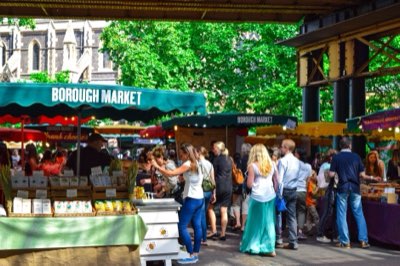
To move beyond the "postcard" version of the Cotswolds, you have to look for the small-scale producers. Many villages host local markets or have small farm shops that sell seasonal produce, artisanal cheeses, and handmade crafts. These are the places where the authentic culture lives.
Dining in the Cotswolds is a ritual. You will find two main styles: the traditional pub meal and the formal afternoon tea. A local pub is often the heart of a village, serving hearty fare like shepherd's pie or seasonal game.
However, because these pubs are so popular, you should always book a table in advance, especially for dinner. High tea is a wonderful indulgence, but it is often more expensive and structured, making it a perfect midday activity rather than a casual meal.
Walking is the best way to experience the landscape. The Cotswold Way is a famous long-distance path, but even short walks between villages offer stunning views of the rolling hills and dry-stone walls.

Avoiding the common travel traps
The wind was whipping through the valley as I realized I had packed only a light sweater for what was supposed to be a "mild" spring afternoon.
I stood by a stone wall, shivering slightly, as the gray clouds rolled in over the hills, making me realize how unprepared I was for the sudden drop in temperature.
One of the biggest mistakes travelers make is trying to see too much in one day. The temptation to hit five different villages in eight hours is high, but you will end up spending your entire trip in a vehicle.
It is much better to pick two or three villages and actually spend time walking through them.
Weather contingency is non-negotiable. Even in July, when temperatures in London might hit 23.5 °C (74.3 °F), the Cotswolds can feel much cooler due to the elevation and wind. Always carry a waterproof layer and sturdy walking shoes.
Do not rely on fashionable sneakers; the cobblestone streets and muddy paths require grip.
Budgeting is another area where travelers can get caught off guard. While you might be used to London prices, the Cotswolds can be quite expensive, especially for dining and boutique lodging. Factor in the cost of fuel, parking fees, and higher-end meals when planning your budget.
Frequently Asked Questions
Is it possible to see the best of the Cotswolds in one day? It is possible to see a few highlights, such as Bourton-on-the-Water and Bibury, in a single day from London. However, you will likely feel rushed and will miss the quieter, more authentic atmosphere of the smaller villages.
According to World Bank, the United Kingdom recorded international tourist arrivals of 11,101,000 in 2020.
Is a car essential for a Cotswolds trip? If you want to visit the most picturesque and remote villages, a car is highly recommended. While you can reach major hubs by train, the local transport between villages is limited and can be time-consuming.
What is the best time of year to visit? Late spring (May/June) and early autumn (September/October) offer beautiful scenery and manageable crowds. Summer is beautiful but very busy, while winter can be quite cold and wet, though much quieter.
The golden stone of the Cotswolds is waiting, but it is best enjoyed at a walking pace, not a driving sprint.






Comments 0