London Pub Guide: Embrace Local Rituals for Authentic Visits
"A pub is not just a place to drink; it is the living room of the neighborhood."
If you walk into a dim, wood-paneled establishment in Southwark or a bustling taproom in Hackney, you aren't just entering a business—you are entering a social ecosystem that has functioned as the community's heartbeat for centuries.
To the uninitiated, it might look like a simple bar, but to a Londoner, it is a place of ritual, transition, and connection.
Key Takeaways * The Ritual: Understand that ordering often happens at the bar, not at a table, and that "lingering" is a respected art form. * The Etiquette: Master the nuances of paying, tipping, and recognizing when a pub is a "gastropub" versus a traditional local.
* The Ambiance: Learn to read the room to distinguish between a quiet afternoon pint and a high-energy weekend crowd.
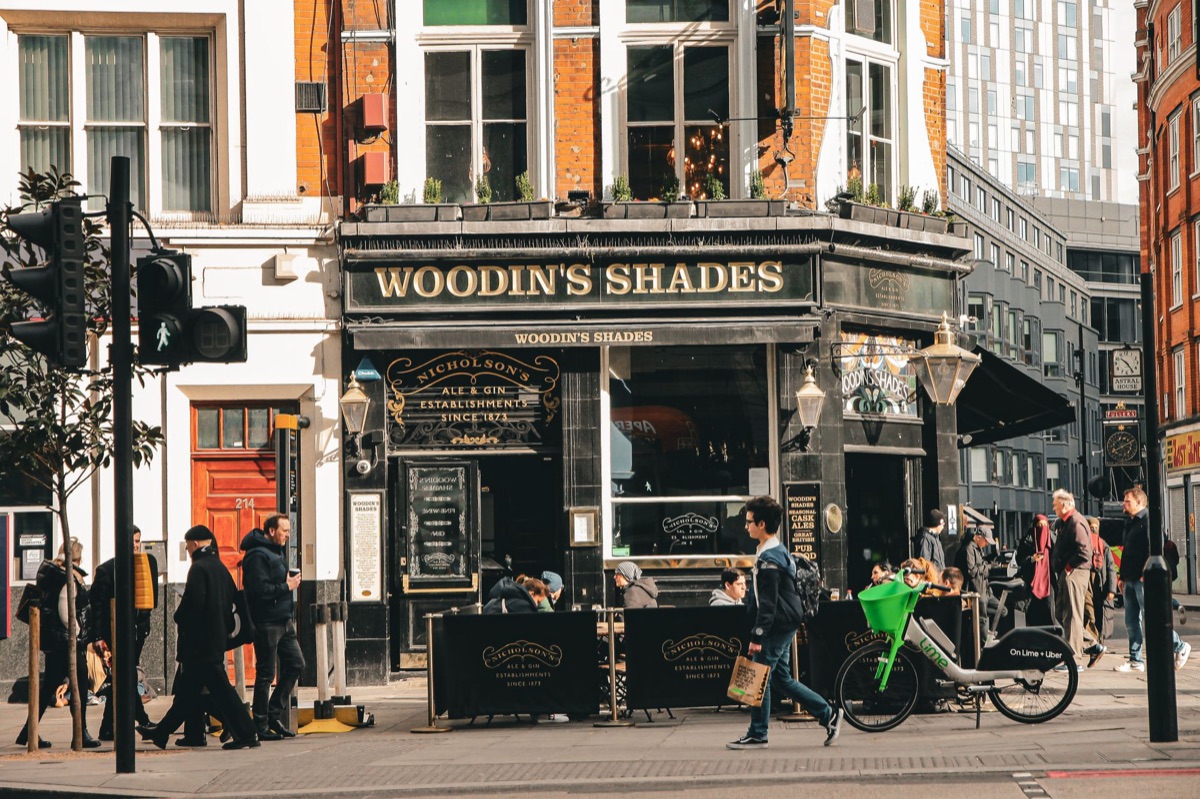
What makes a pub visit feel truly local? The heavy oak door of a traditional pub in Bloomsbury swings shut, cutting off the hum of traffic and replacing it with the low murmur of conversation and the clink of glass.
You stand in the entryway for a second, eyes adjusting to the dim light, wondering if you should head straight to the bar or find a corner.
A true local pub serves as a community hub, a place where neighbors meet to discuss everything from local politics to the latest football scores. While tourist-heavy spots in Leicester Square might feel like museums of British culture, a genuine local haunt is a living entity.
You can spot these authentic spots by looking for a clientele that seems to have a "regular" status—people who know the staff by name and have a preferred stool.
In my own travels through London in 2025, I found that the most memorable afternoons weren't in the grandest halls, but in the smallest, dimmest corners of a pub in Peckham.
When you arrive, the first step is recognizing the rhythm of the house. In many traditional pubs, you do not wait to be seated; you walk up to the bar, join the queue, and place your order immediately.
In more modern gastropubs or those serving full meals, you might be greeted by a host and led to a table. If you see people sitting at tables with food but no one coming to take drink orders, it is a sign that you should head to the bar first.
The pace of life changes drastically depending on when you walk through the door. A Tuesday at 3:00 PM is a quiet affair, often filled with readers or those seeking a momentary escape, whereas a Friday night is a high-velocity social engine.
Matching your energy to the time of day ensures you respect the existing atmosphere. But what happens when you actually reach the front of the line?
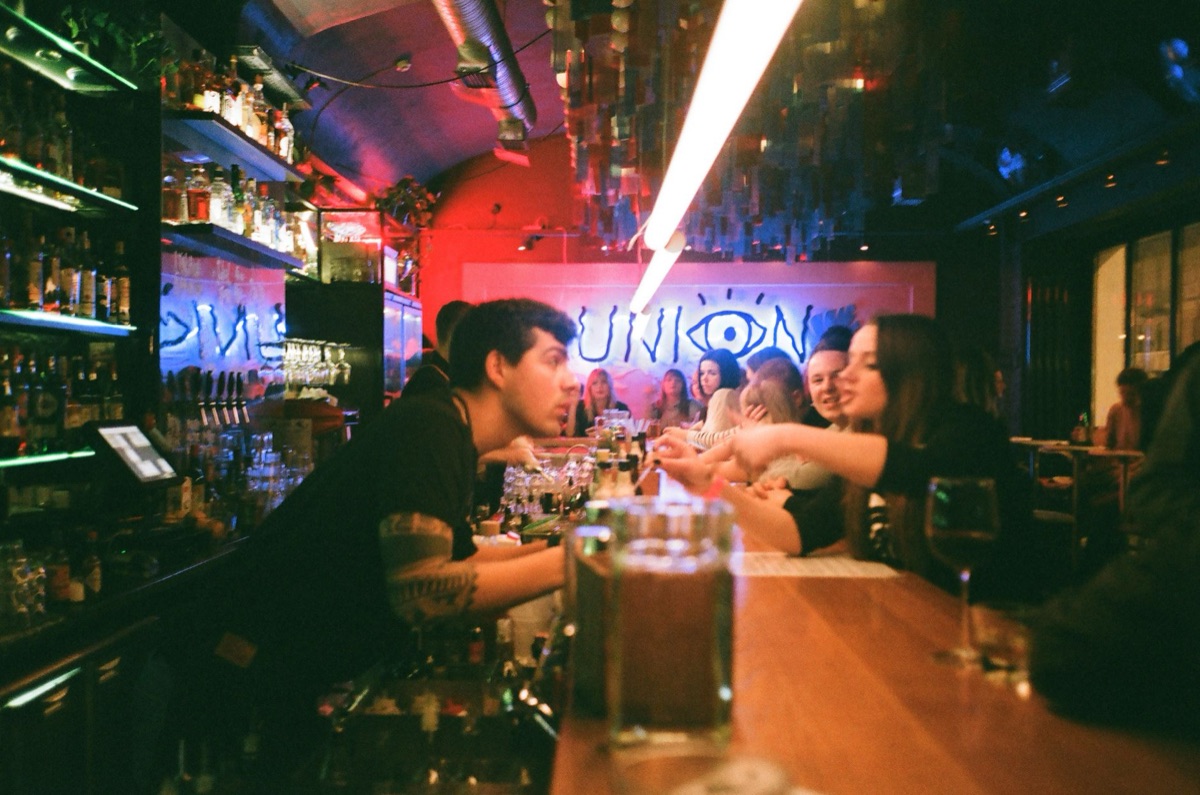
How do I handle ordering, paying, and tipping? You stand in a short line at a polished mahogany bar in Covent Garden, watching the bartender pull a perfect pint of bitter. The person in front of you finishes their transaction, moves to a small table, and the cycle repeats.
Ordering in a London pub requires a bit of precision. When you approach the bar, state your drink clearly. If you are ordering a pint of ale, be prepared for it to look different than a standard lager—it might be darker, clearer, or more opaque.
If you are ordering a "half-pint" or a "small," it is often a polite way to pace yourself or try something new. In 2026, as craft options expand, you might see pours ranging from 200ml to the standard 568ml pint.
Payment protocols can vary. In most traditional pubs, you pay for your drinks at the bar at the time of ordering. This is why you often see people carrying their drinks to their tables. However, in gastropubs where you are sitting for a meal, you will likely receive a bill at the end of your stay.
Tipping is generally handled by adding a service charge to a restaurant bill, but in a standard pub setting where you pay at the bar, tipping is not expected, though rounding up a few pence can be a kind gesture to a regular bartender.
When your time is up, you don't need a grand exit. A simple nod to the staff or a quiet departure is all that is required. In a busy pub, you don't need to "check out" like you would in a hotel; you simply gather your things and head out.
But there is a social layer that goes beyond the money changing hands.
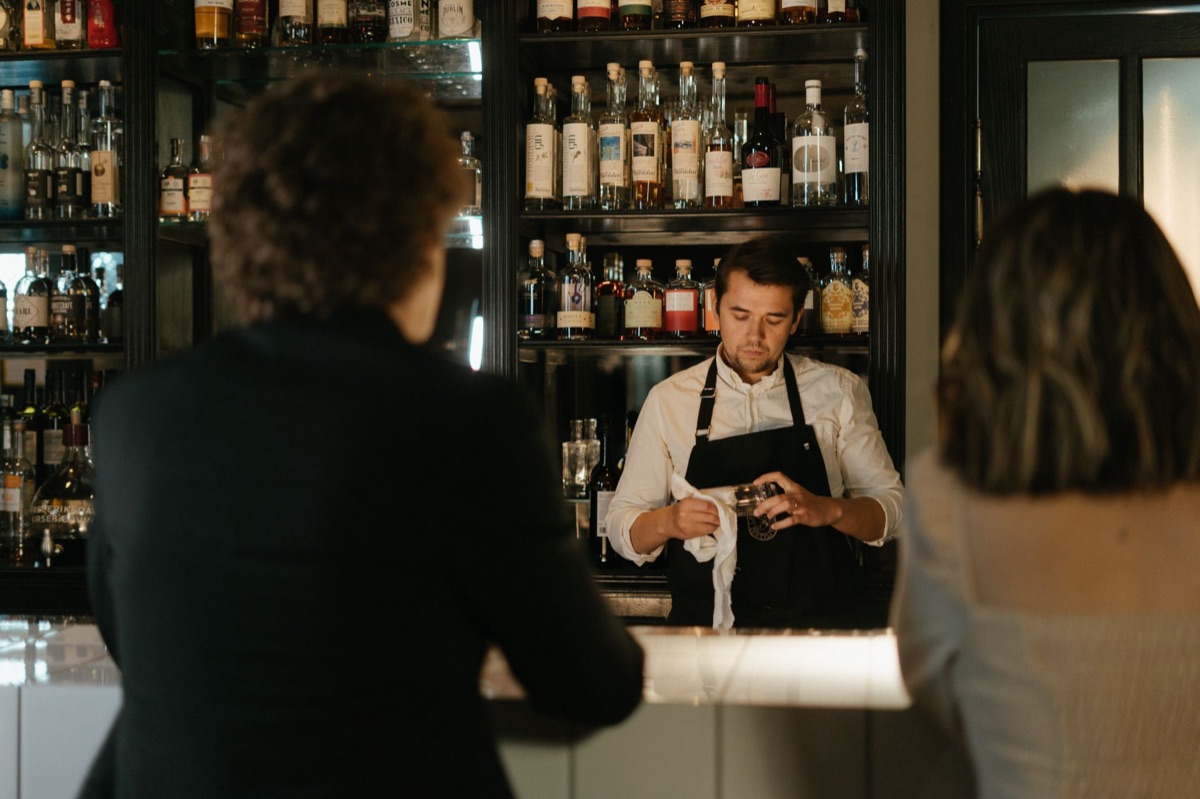
The Unspoken Rules – Pub Etiquette for Non-Locals
The air in a crowded pub in Shoreditch is thick with the smell of hops and the sound of laughter, but there is a subtle geometry to how people occupy the space. You see a group of friends leaning in close, while a lone traveler sits quietly in a corner nook.
One of the most important rules is understanding the pace of conversation. In a local pub, you are often a silent observer of a social dance. It is rarely appropriate to join a group of strangers mid-conversation unless you are in a very social, communal setting like a large shared table.
Instead, observe the "vibe"—if the pub is quiet, keep your voice low; if it is loud and celebratory, you can join the energy.
British social culture often relies on dry humor and "banter." While you might not join in immediately, recognizing this playful, sometimes self-deprecating tone helps you navigate social interactions. It is also vital to respect the physical layout.
Many older pubs have "snugs"—small, semi-private partitioned areas—which are often reserved for regulars or specific groups. If a space looks private, it likely is.
Responsible drinking is also a matter of etiquette. Pacing yourself is not just about your own well-being; it is about respecting the establishment. A person who is overly intoxicated disrupts the atmosphere of a community hub.
Knowing when a visit is meant for quiet reflection versus active socializing is the key to being a respectful guest. However, you might wonder how to tell the difference between a place meant for a quick drink and a place meant for a full meal.
Beyond the Bar – Food, Atmosphere, and the Pub Ecosystem
The smell of slow-cooked beef and rosemary wafts from the kitchen of a gastropub in Marylebone, signaling that the evening transition from "drinks" to "dining" has begun.
The spectrum of pub experiences is wide. On one end, you have the traditional "boozer"—a place focused primarily on drink, often with limited, simple food like pies or sandwiches. On the other end, you have the gastropub, where the culinary experience is the main event.
In a gastropub, the food is often sophisticated, designed to pair specifically with craft beers or fine wines.
| Feature | Traditional Pub | Gastropub |
|---|---|---|
| Primary Focus | Beverage & Socializing | High-quality Food & Beverage |
| Ordering Style | At the bar | At the table |
| Atmosphere | Casual, often loud, community-centric | Polished, often more quiet/refined |
| Typical Menu | Pies, Fish & Chips, Sandwiches | Seasonal ingredients, elevated classics |
When visiting a gastropub, expect to be seated and to have table service. The food is often the centerpiece, and you should be prepared for a more structured dining experience. In contrast, a traditional pub is perfect for a casual snack or a quick pint between sightseeing stops.
Finding your niche is about matching the setting to your mood. If you want to feel the weight of history, look for a Victorian-era pub with original tiling and brass fittings. If you want something contemporary, look for the modern craft beer bars that pop up in revitalized industrial districts.
But how do you actually navigate your first visit without feeling like an outsider?
Quick Tips for Your First Visit
- Check the "Pub Food" status: If you see menus on tables, it's likely a gastropub where you'll be seated. If there are no menus and everyone is at the bar, you'll likely need to order there.
- Mind the "Pint" size: A pint is 568ml. If you want something smaller, ask for a "half-pint."
- Watch the clock: Many pubs have specific "food service" hours. If you arrive too late, the kitchen might be closed even if the bar is open.
- Respect the "Local" vibe: If a pub is clearly a neighborhood spot, try to blend in by keeping noise levels respectful of the regulars.
#





Comments 0