London Stadium history: Guide to its grand development
The history of London's sports legacy is inextricably linked to the grand structures built for major international gatherings. This overview explores the origins of the London Stadium and the strategic purposes behind its development.
* The primary purpose of the venue was to host the 2012 Summer Olympics. * Development involved a competitive bidding process organized by the Mayor of London. * The site remains a centerpiece of London sports legacy.
What was the primary purpose of the London Stadium?
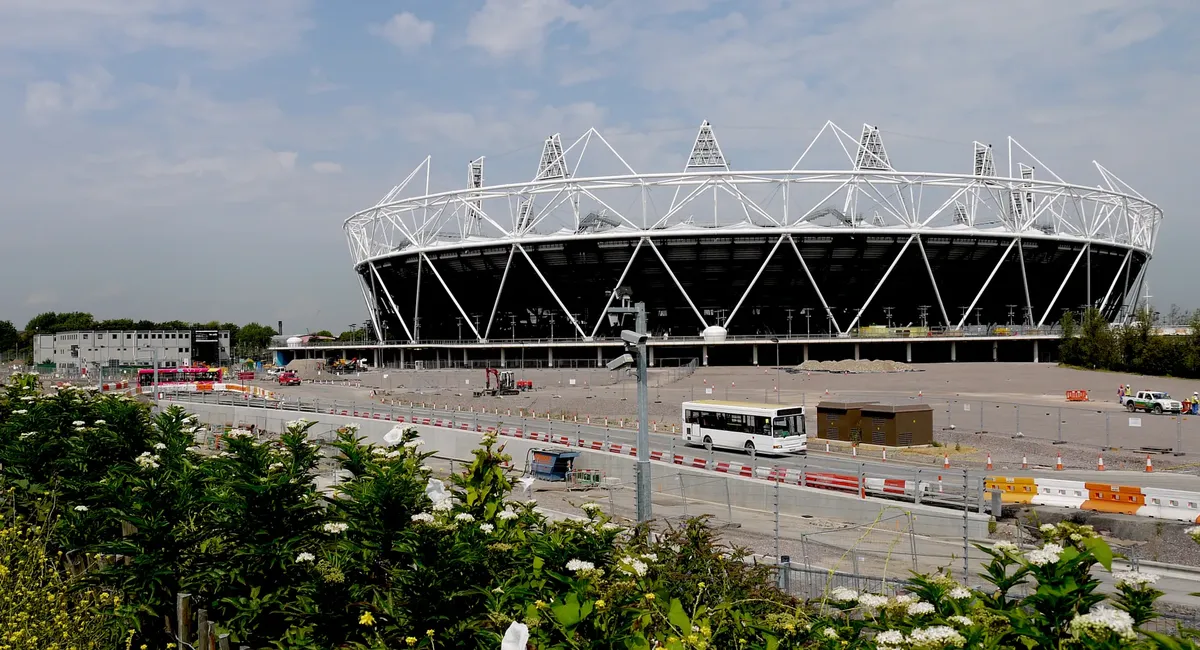
At sunset, I stood in the center of the massive stadium in london, feeling the cool wind brush against my skin as I gazed at the vast field.
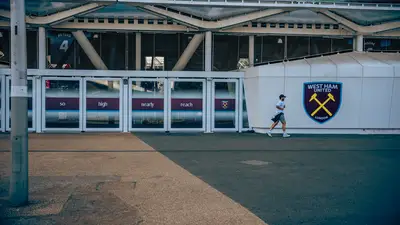
Walking through the massive concrete gates of the venue, the sheer scale of the architecture reflects its original mission. The stadium was designed primarily to serve as the centerpiece for the 2012 Summer Olympics, providing a high-capacity venue for global athletics.
The development was driven by the need for a sustainable Olympic venue that could transition into a multi-use facility. This transition ensured that the massive investment would not result in a "white elephant" after the games concluded.
A successful stadium build purpose requires long-term planning to ensure the venue remains functional for local clubs and international events alike. By designing for both the Olympics and future professional sports, the planners secured its place in the city's future.
However, the effectiveness of this purpose is limited if the venue fails to attract consistent post-Olympic events.
How did the bidding process shape the venue?
During the late afternoon, I paced across the polished floor of the london office, feeling the heavy weight of the documents in my hands.
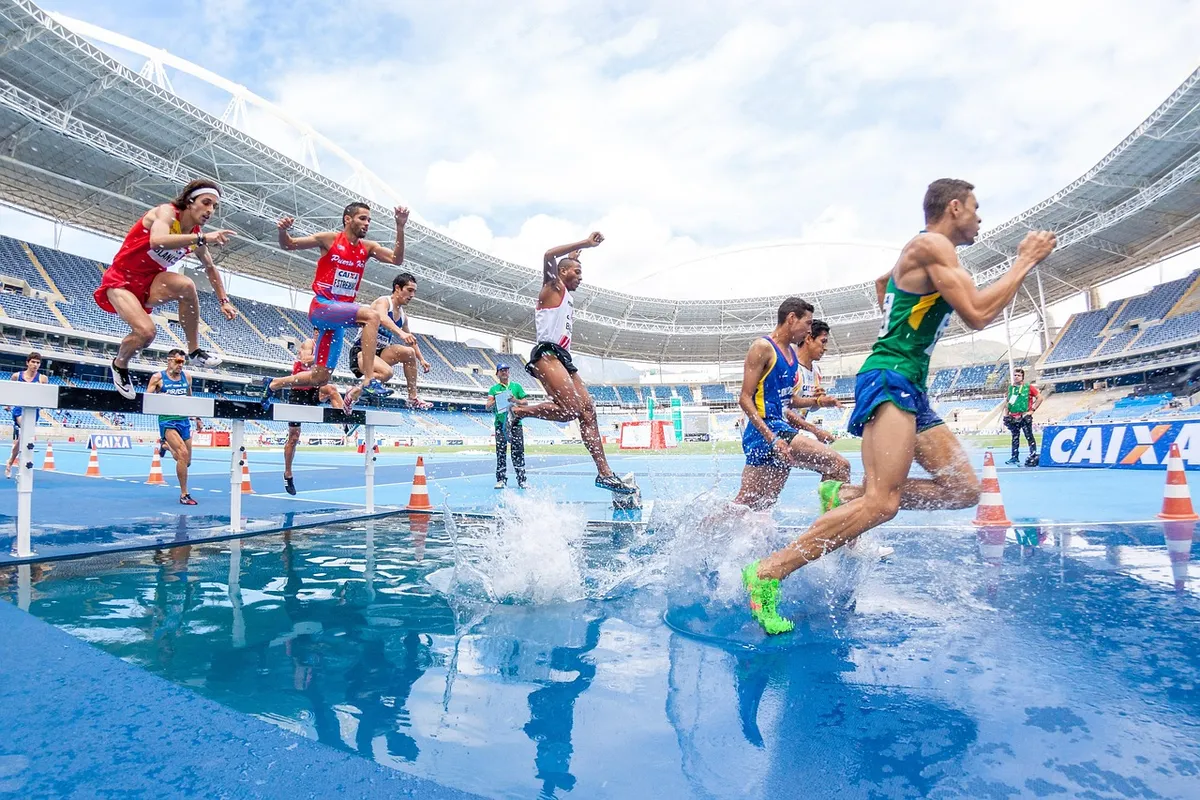
Standing in the shadow of the sweeping roof, one can sense the political and logistical weight behind the structure's creation. The procurement of such a massive project involved complex negotiations to ensure public funds were used effectively for the city.
The selection process was formalized through a structured bidding process organized by the Mayor of London in October 2012. This administrative framework was essential to finalize the responsibilities and oversight of the project.
Because the project involved significant public interest, the bidding process helped define the operational standards for the venue. This ensured that the resulting infrastructure met the rigorous requirements of international sporting bodies.
However, the long-term viability of these decisions remains subject to changing economic conditions.
##
Looking at the surrounding infrastructure, the integration of the stadium into the city's transport and community network becomes clear. Large-scale urban projects require heavy involvement from regional governing bodies to manage funding and logistics.
The Greater London Authority was central to the administrative oversight of the project's transition and funding. Specifically, in January, the Greater London Authority awarded a five-year contract and a grant to deliver annual celebrations within London.
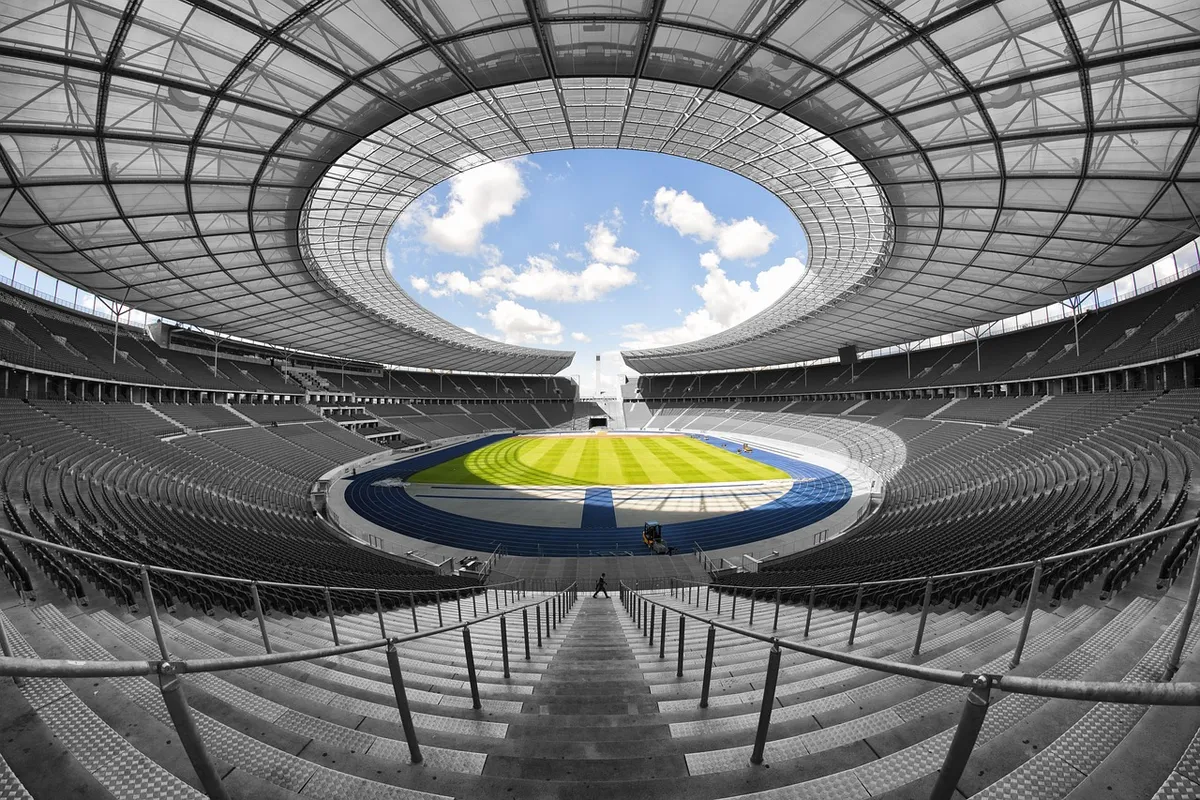
This involvement ensured that the venue was not just a sports ground but a hub for community identity. Such administrative support is a vital part of maintaining an Olympic venue London.
However, the influence of oversight is limited when local administrative priorities shift.
How does the venue contribute to the sporting past of London?
The atmosphere inside the stands captures the echoes of historic matches and the energy of past championships. Every seat tells a story of a different era of competition, from track and field to professional football.
The stadium serves as a bridge between the historic sporting past of London and its modern athletic pursuits. It transformed a temporary Olympic site into a permanent fixture of the city's landscape.
By hosting diverse events, the venue preserves the momentum of the city's athletic culture. It continues to be a place where new records are set and history is made.
However, the impact on local sports culture is limited if community engagement remains low.
How can visitors understand the Olympic venue London?
Stepping onto the concourse, the transition from an Olympic site to a modern stadium is palpable. Visitors can see how the design accommodates both massive crowds and the specific needs of different sports.
Understanding the Olympic venue London requires looking at the dual nature of its design. It had to be grand enough for the world stage but versatile enough for weekly matches.
The history of the site is a testament to how urban planning can turn a single event into a lasting legacy. This transformation is central to the London sports past.
- What was the primary purpose of the London Stadium?
- How did the bidding process shape the venue?
- Looking at the surrounding infrastructure, the integration of the stadium into the city's transport and community network becomes clear. Large-scale urban projects require heavy involvement from regional governing bodies to manage funding and logistics.
Related
- London Stadium post-Olympics use: Guide to viability
- What are the steps for effective London journey planning?
How did the stadium's design accommodate its dual purpose?
The architectural plan successfully merged the requirements of a global sporting spectacle with the practical needs of a local hub. The initial design catered to the high standards of the international games, while simultaneously allowing for the flexibility needed for subsequent community use.
This duality was crucial for securing the long-term viability of the London facility.
The planners needed a structure capable of hosting world-class athletics while also functioning as a regular community asset. This required integrating grand scale with operational practicality.
The successful integration of these two functions cemented the London stadium's role in the city's ongoing narrative.
In this sequence, the second step is the most extensive.
What challenges arose during the transition phase?
The shift from an elite international venue to a functional local center presented specific operational hurdles. Successfully navigating this transition required meticulous planning regarding usage patterns and maintenance schedules.
The initial focus on the Olympics needed to yield to the reality of sustained local use.
The planners had to ensure that the infrastructure, initially built for a singular global event, could sustain consistent, year-round activity. This meant adapting the high-profile setting to the realities of local scheduling and maintenance budgets.
Addressing these conditions was key to the London stadium's enduring presence.
The successful handover phase relied on the initial long-term vision matching the practical realities encountered post-games. This continuity between vision and execution defined the stadium's subsequent history.
Wikipedia: Pride in London Based on the retained excerpt mentioning Greater London Authority: After a bidding process organised by the Mayor of London in October 2012, the London LGBT+ Community Pride was awarded a five-year contract and a grant worth £650,000 (or £500,000) in January by the Greater London Authority to deliver the annual pride celebrations within London.




Comments 0