Visit London Smarter: Navigating Tube, Budgeting, and Crowds
"London is a city that rewards the prepared and humbles the careless."
Walking through the gates of Piccadilly Circus for the first time can feel like stepping into a beautiful, overwhelming whirlwind of neon, noise, and rushing crowds. For many travelers, that initial burst of excitement is quickly followed by a quiet panic: *How do I not get robbed?
How do I pay for this train? And why is everything so expensive?*
* Safety: Stay alert in crowded tube carriages and major hubs like Oxford Circus to prevent pickpocketing. * Transit: Use contactless payment (phone or card) instead of paper tickets to automatically trigger daily fare caps. * Budgeting: Mix world-class free museums with strategic market meals to keep costs manageable. * Planning: Always carry a light waterproof layer and download an offline map for sudden weather shifts or signal dead zones.

Navigating London Safely: Beyond Tourist Spots
The sun sets over the Thames, casting long shadows across the cobblestones of Covent Garden as a group of tourists gathers around a street performer. In the excitement of the music, a hand slips into a side pocket, and a smartphone vanishes before the owner even notices the breeze.
London is generally a safe, cosmopolitan city, but it is not immune to opportunistic crime. Pickpocketing is the primary concern for travelers, particularly in high-density areas like Leicester Square, Camden Market, and on crowded Tube carriages during rush hour.
In these tight spaces, keep your bag in front of you and your zippers closed.
If you find yourself in an emergency, dialing 999 is the standard for immediate danger. For non-emergency situations, such as a lost passport or reporting a minor theft that happened hours ago, you should contact the local police via their non-emergency number or visit a local station.
When staying in hostels or budget hotels, always use the provided in-room safes for passports and extra cash. In the UK, personal space is respected, but in crowded transit hubs, the "bubble" is much smaller; staying aware of your surroundings is your best defense.
Conquering London Transit: Tube, Bus, and Beyond
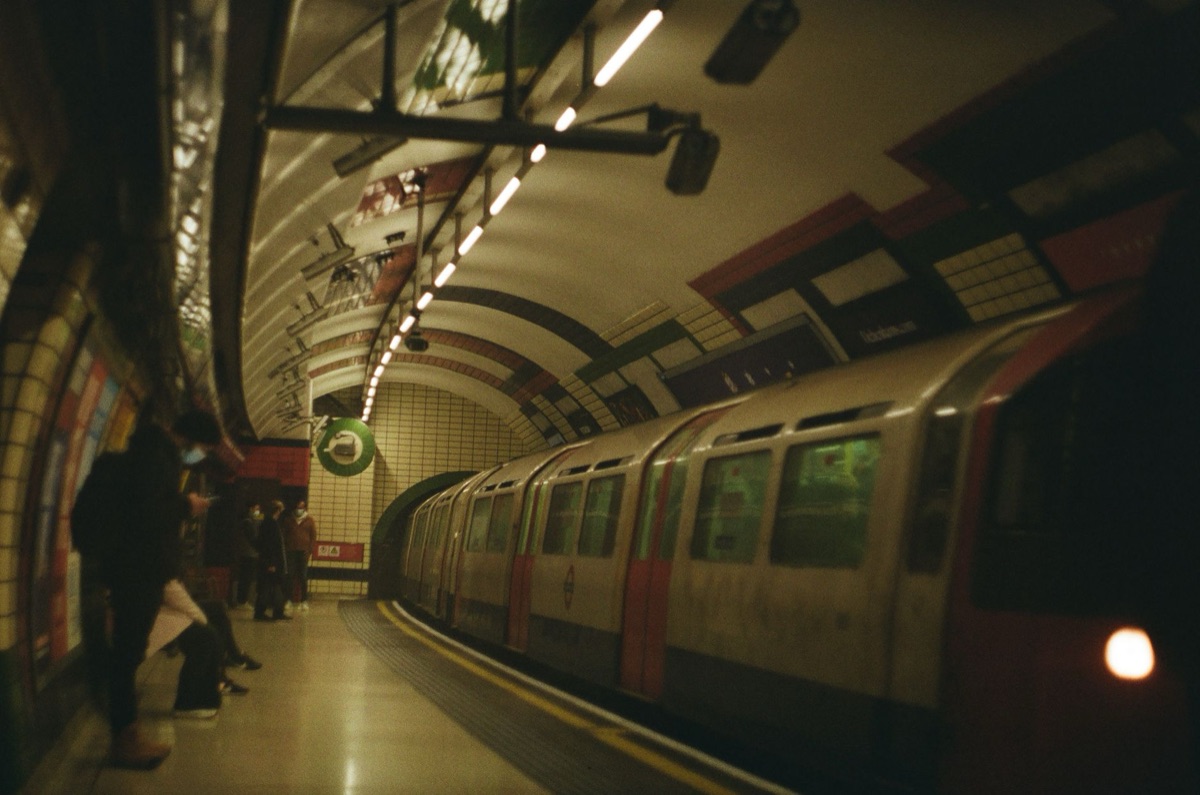
Standing on a crowded platform at Victoria Station, you watch the digital display countdown the arrival of the next train while a sea of commuters moves in a synchronized, silent rush. The sheer scale of the Underground can make anyone feel lost.
The most important rule of London travel is to forget about buying individual paper tickets. They are expensive and inefficient. Instead, use "Contactless" (your phone's digital wallet or a tap-to-pay credit card) or an Oyster card.
In 2025, the transition to purely digital transit has made paper tickets nearly obsolete for visitors.
The system is designed with "daily caps," meaning once you hit a certain amount of travel in one day, all subsequent rides are free. This ensures you never overpay, regardless of how many stops you make.
For example, if you travel through multiple zones, the cap prevents you from being charged for every single tap.
For a different perspective, swap the deep, dark tunnels of the Tube for the red double-decker buses. Sitting on the top deck at the front provides a fantastic, low-cost sightseeing tour of the streets.
Just remember that the Tube is much faster for long distances, but buses are better for seeing the city. When planning a multi-leg journey, use an app like Citymapper to navigate real-time delays and much-needed route changes.
Budgeting Like a Local: Making Your Pound Stretch
You sit at a small, wooden table in a bustling market, staring at a menu where a simple lunch seems to cost a significant portion of your daily budget. The realization hits: London is expensive, but it doesn't have to be a financial drain.
The secret to a successful London budget is the "Free vs. Paid" strategy. London is home to some of the greatest museums in the world, such as the British Museum and the Natural History Museum, which offer permanent collections entirely free of charge.
By spending your "big money" on specific paid attractions—like a West End show or a Tower of London tour—you can balance your budget by spending your days exploring world-class galleries for free.
| Category | Budget Strategy | High-End Alternative |
|---|---|---|
| Food | Borough Market / Meal Deals | Afternoon Tea at The Ritz |
| Sightseeing | Free Museums / Parks | The Shard / London Eye |
| Transport | Walking & Buses | Black Cabs / Private Tours |
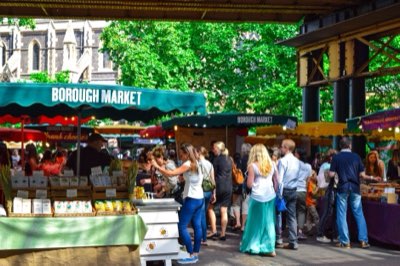
For meals, hit up places like Borough Market for high-quality, single-serving gourmet food that is much cheaper than a sit-down restaurant. In terms of accommodation, staying in Zone 1 (the very center) is pricey.
Moving just a few stops out to Zone 2 can save you hundreds of pounds without making your commute too long. Also, keep in mind that many restaurants include a "service charge" (usually around 12.5%) on the bill.
You do not need to tip extra on top of this, but rounding up to the nearest pound is a common local practice.
Beyond the Tourist Trail: Making Your Time Count
The morning mist clings to the greenery of Hyde Park as you decide whether to head toward the historic towers of the Tower of London or take a train out of the city entirely. The choice between staying central and exploring the outskirts is the ultimate traveler's dilemma.
Deciding whether to take a day trip to places like Oxford, Windsor, or the Cotswolds depends entirely on your timeframe. If you only have three days, stay in the city to maximize your experiences. If you have a week or more, a day trip is essential to see the English countryside.
A well-balanced itinerary combines structured sightseeing with moments of spontaneity.
To truly feel the pulse of the city, integrate local habits. Spend an afternoon in a traditional pub, where the atmosphere is warm and the history is palpable. Do not just rush through a museum; take time to sit in a London park or enjoy a slow afternoon tea.
This balance prevents "museum fatigue" and makes your trip feel like an exploration rather than a checklist.
How to Plan Your Perfect London Day
A sudden downpour begins, and within seconds, the sidewalk turns into a river, forcing you to duck under a shop awning to find cover. In London, the weather is as unpredictable as the transit sometimes is. To keep your sanity during a trip, you need a structured approach to your daily movements.
When I first planned my trip in early 2025, I realized that without a plan, I was spending too much time staring at my phone and not enough time seeing the sights. Here is the checklist I developed to keep things moving:
- Check the Morning Forecast: Before leaving your accommodation, check the weather and the TfL status. If there is a strike or heavy rain, pivot your plans to indoor museums immediately.
- Set a "Big Spend" Goal: Pick one major attraction per day (e.s., The Tower of London) and book the time slot in advance to avoid long lines.
- Layer Your Clothing: Always carry a waterproof light jacket and a compact umbrella in your day bag.
- Plan Your Food Zones: Identify a local market or a casual dining area near your afternoon destination to avoid expensive tourist traps.
- Review Your Daily Cap: Check your transit app to see how close you are to your daily spending limit so you can decide if you can afford a taxi or should stick to the bus.






Comments 0